Collections


Brought to you by: Kunstmuseum St. Gallen
Game type: Single-player and multi-player games
Duration: Varies
Used by: Kunstmuseum St. Gallen, Bündner Kunstmuseum Chur
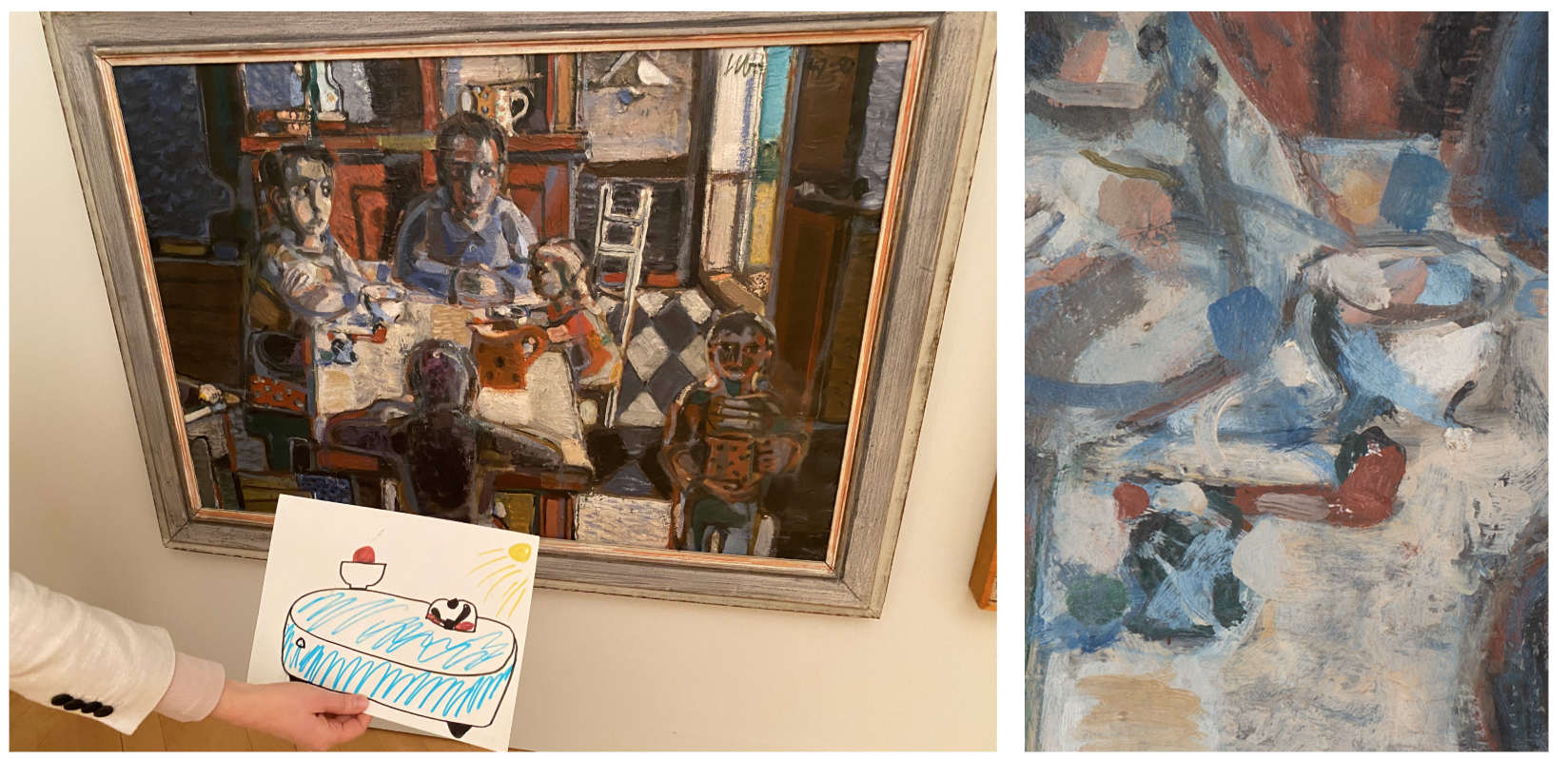
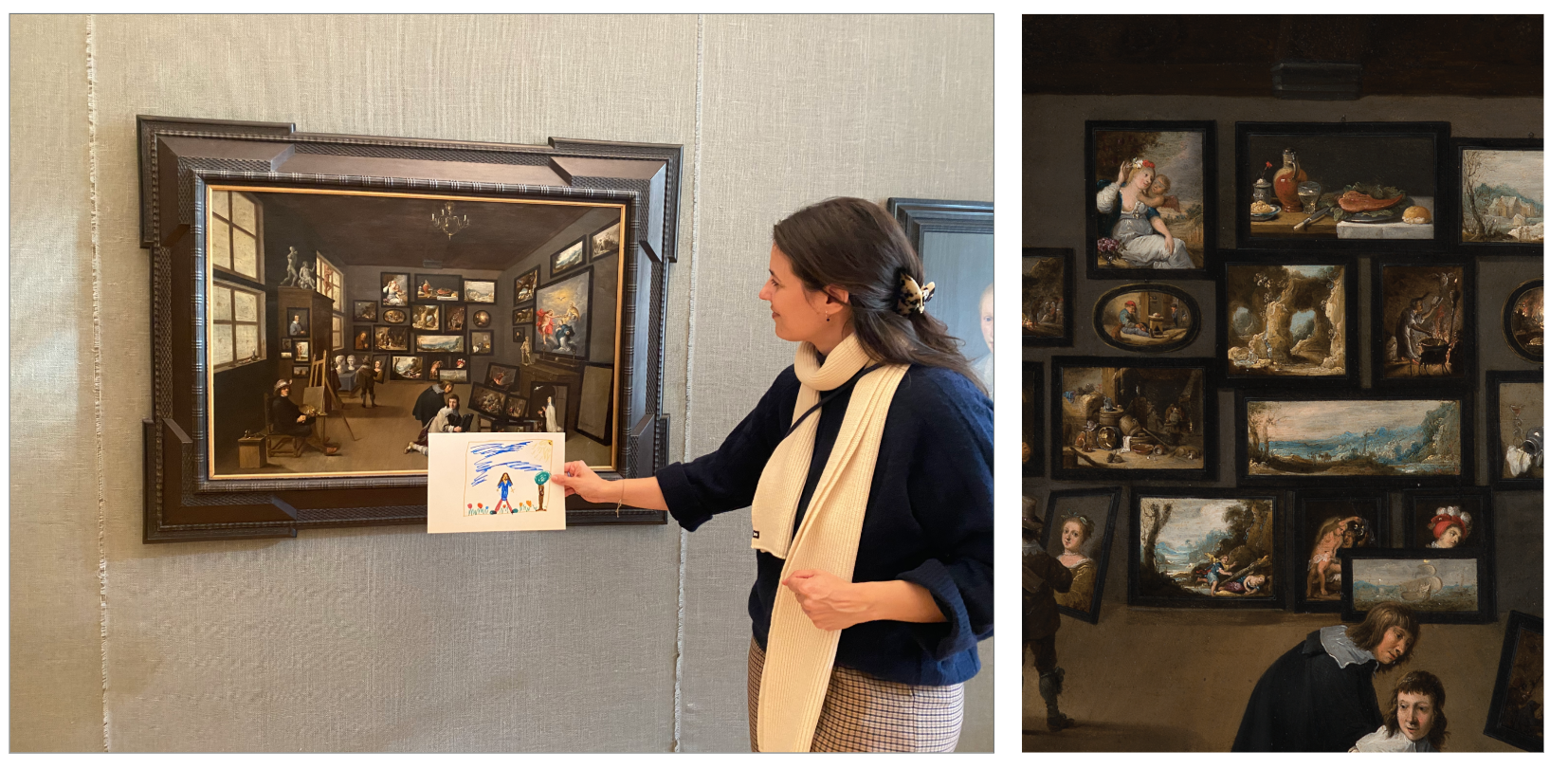
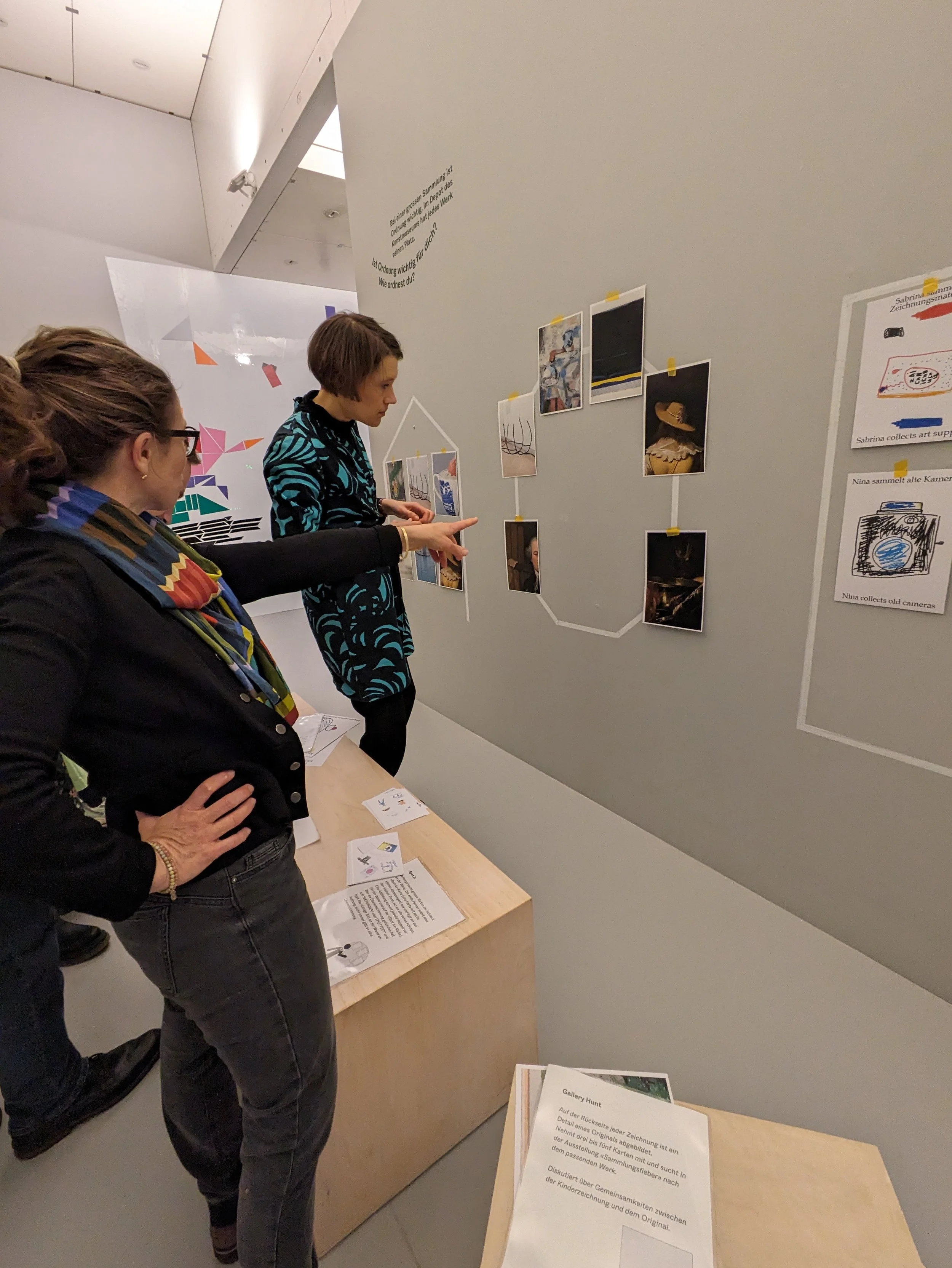
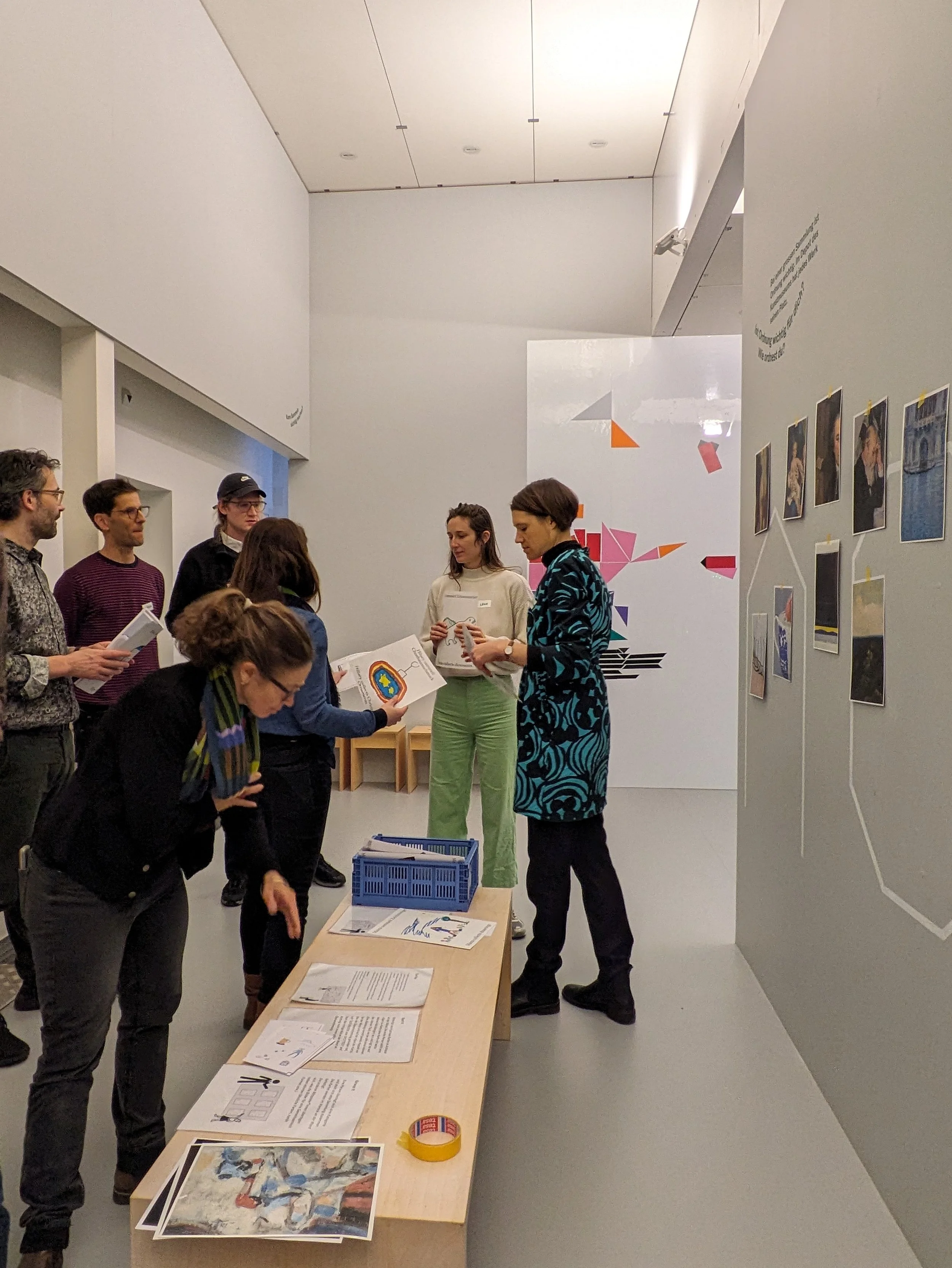
Inspired by the connection between everyday objects that community members collect and works in the St. Gallen Kunstmuseum, "Collections" is a suite of 5 simple games about collecting. Some version of the game feature child-rendered drawings of in-gallery artworks, or a wall installation of the various games.
-
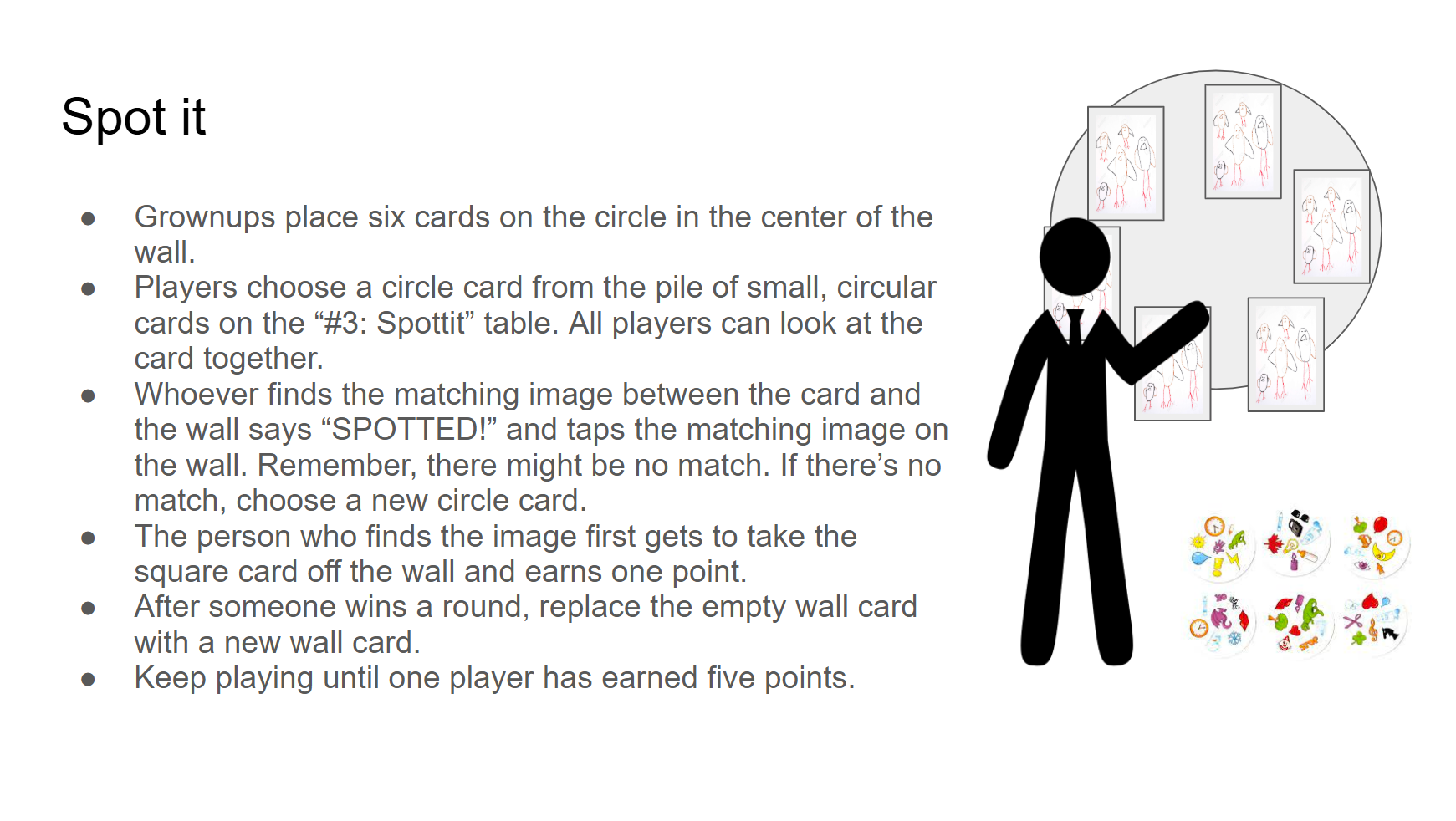
Spot It: Visitors match photos of objects in the collection on a wall to drawings done by kids of the same objects.
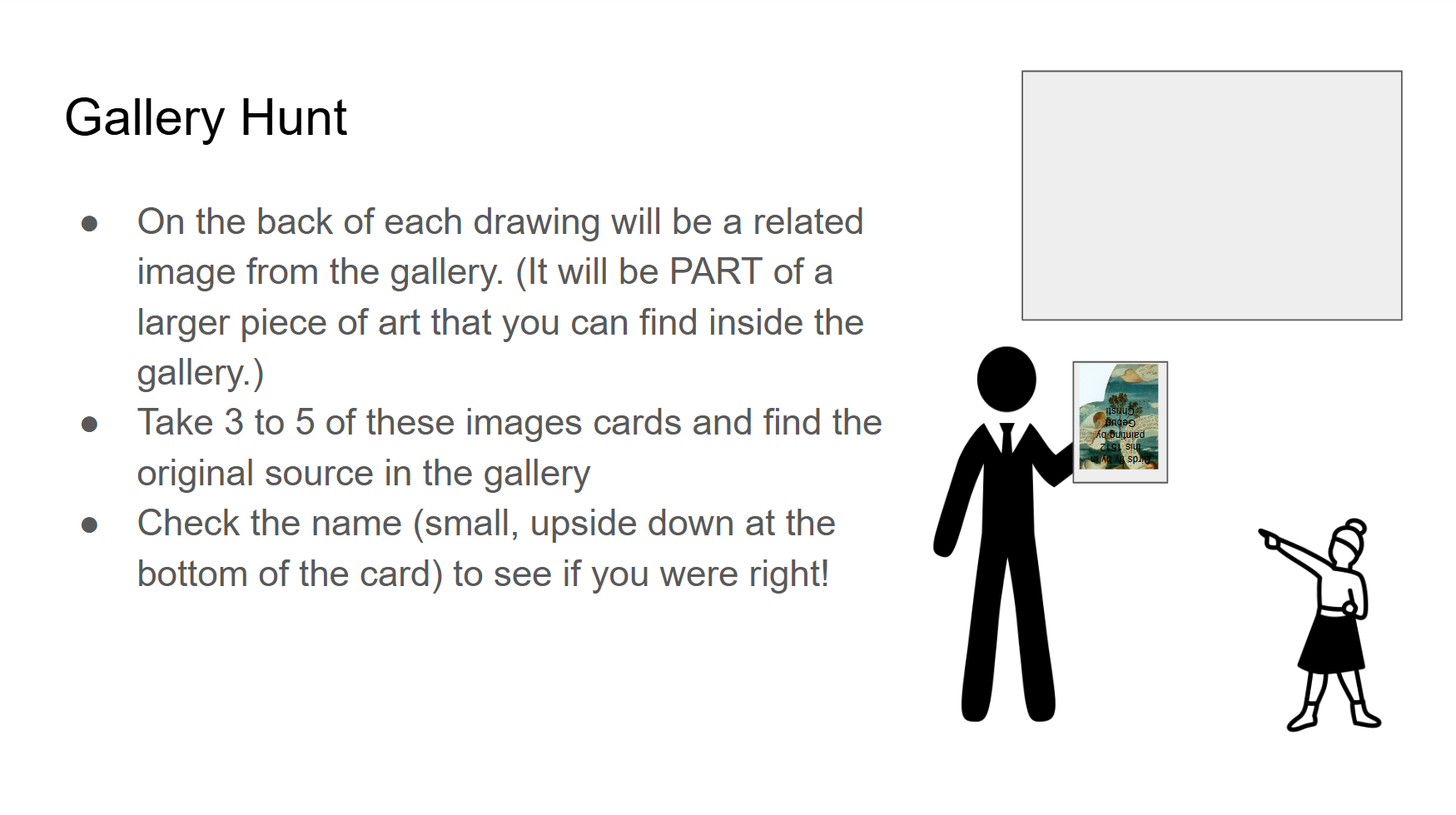
Gallery Hunt: Players are given child drawings or zoomed-in photos of art and must find the corresponding artwork in the gallery.
Museum: Players take six of their favorite drawings from the collection to form theoir own gallery. No wrong answers.
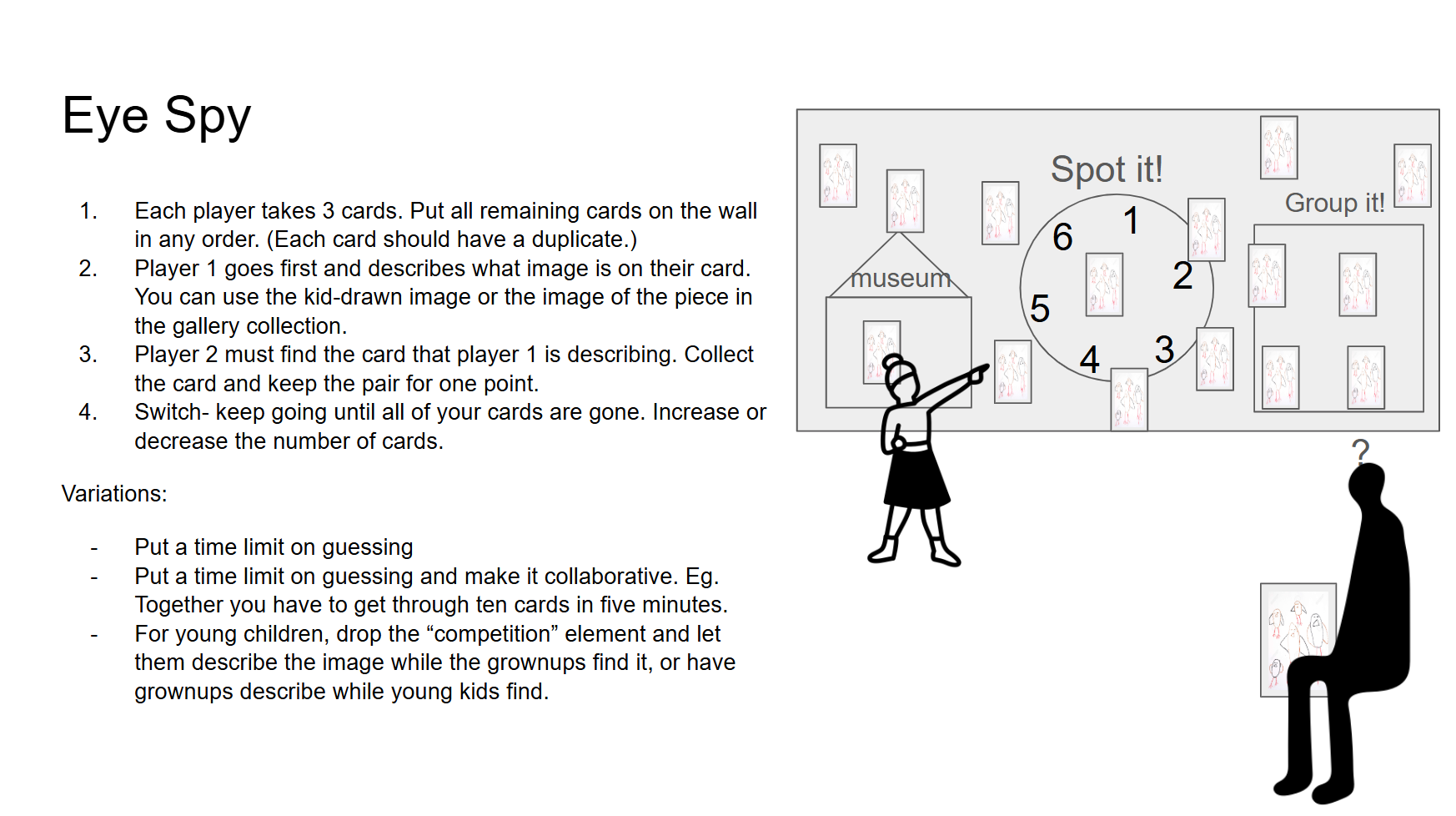
I Spy: One player describes child drawings of works in the gallery, and the other players must locate them.
Group It: Make groups of six artworks and have other players guess what they are.
-
Ability to print and distribute paper guides or booklets
-
All ages, groups
-
If you need help developing a new instance of Collections, reach out to kellian@fablevision.com.
Variations
bündner kunstmuseum
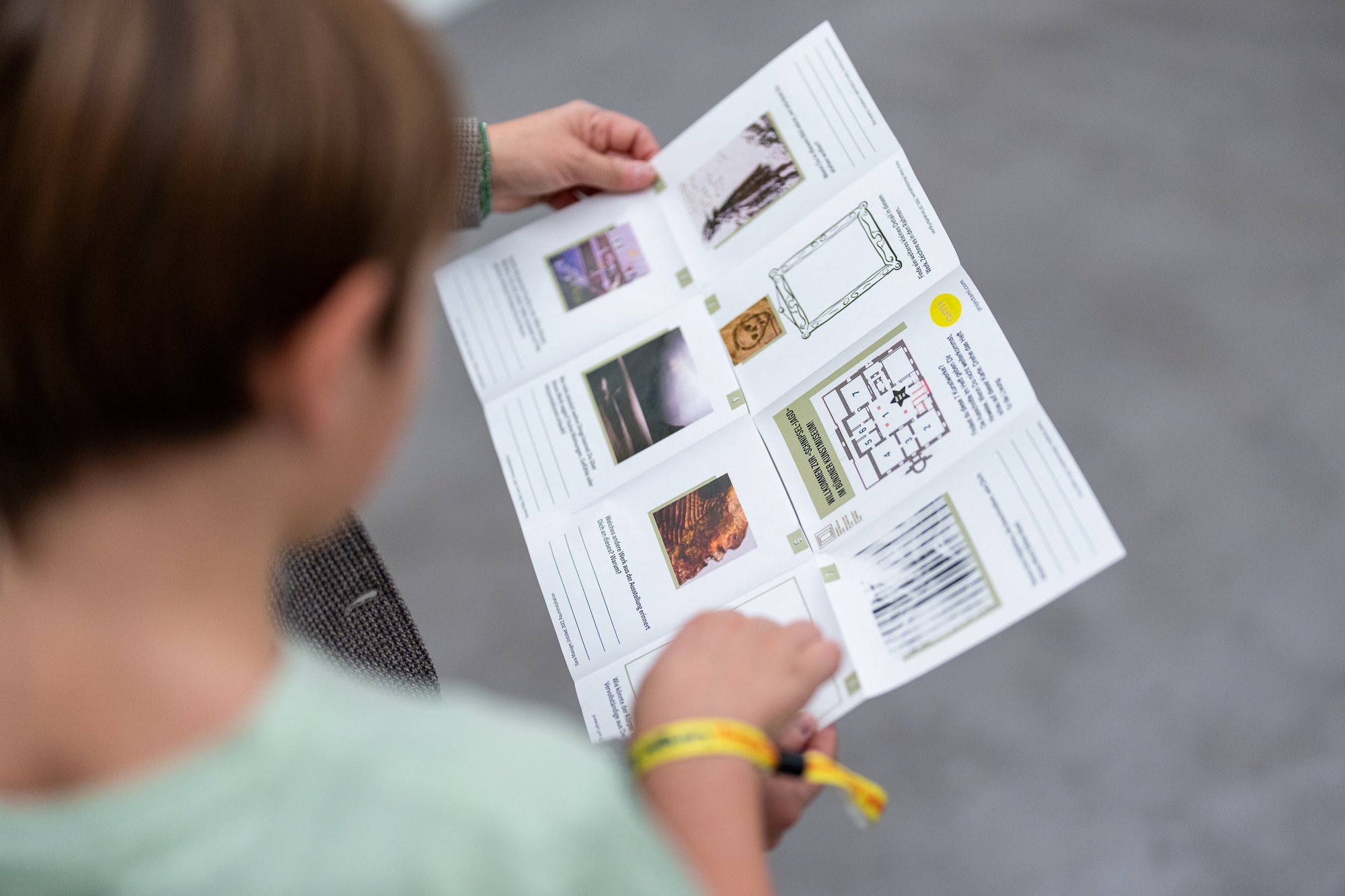
bündner kunstmuseum adapted Collections under the name “Gallery-Hunt.”
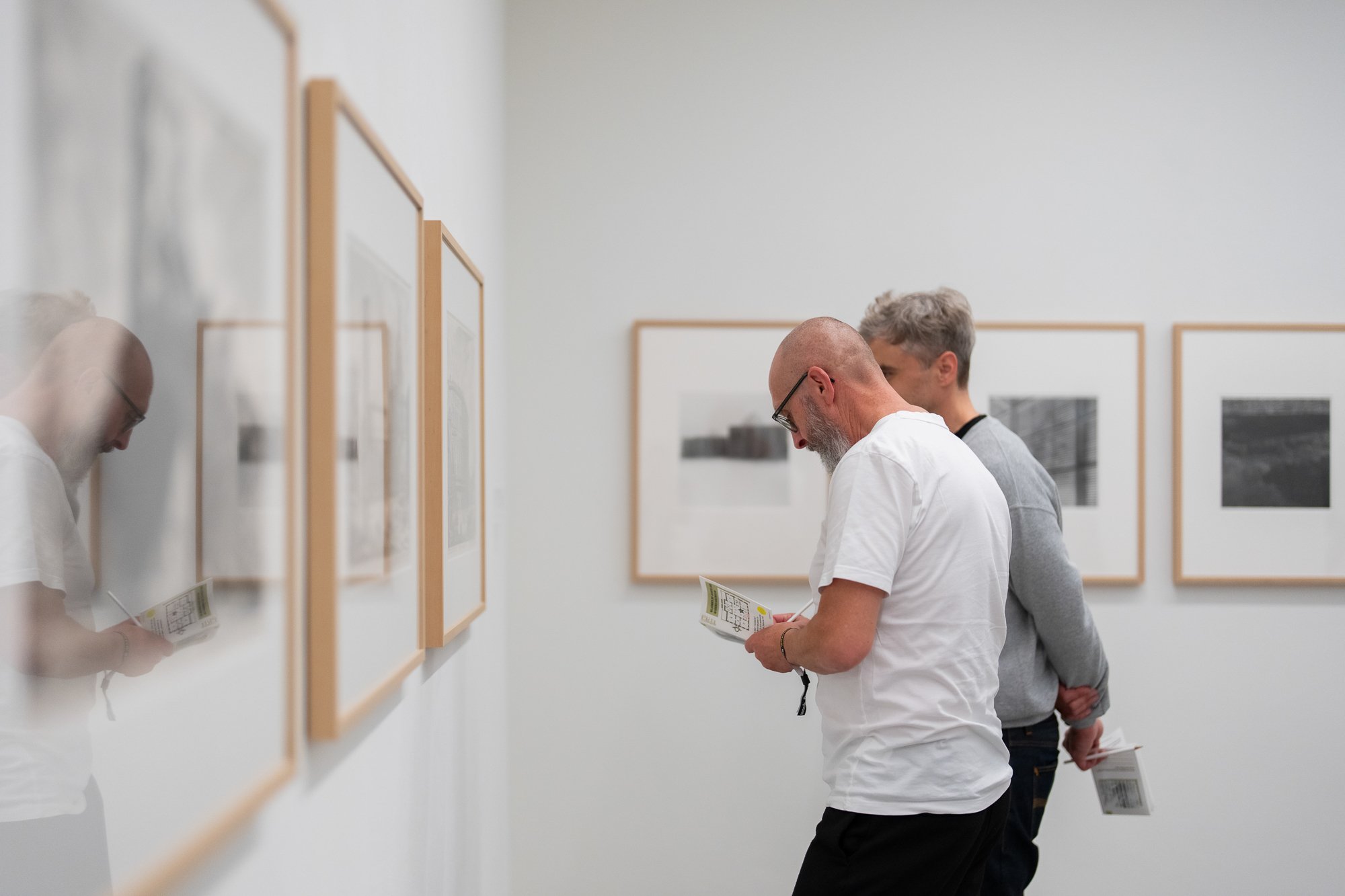
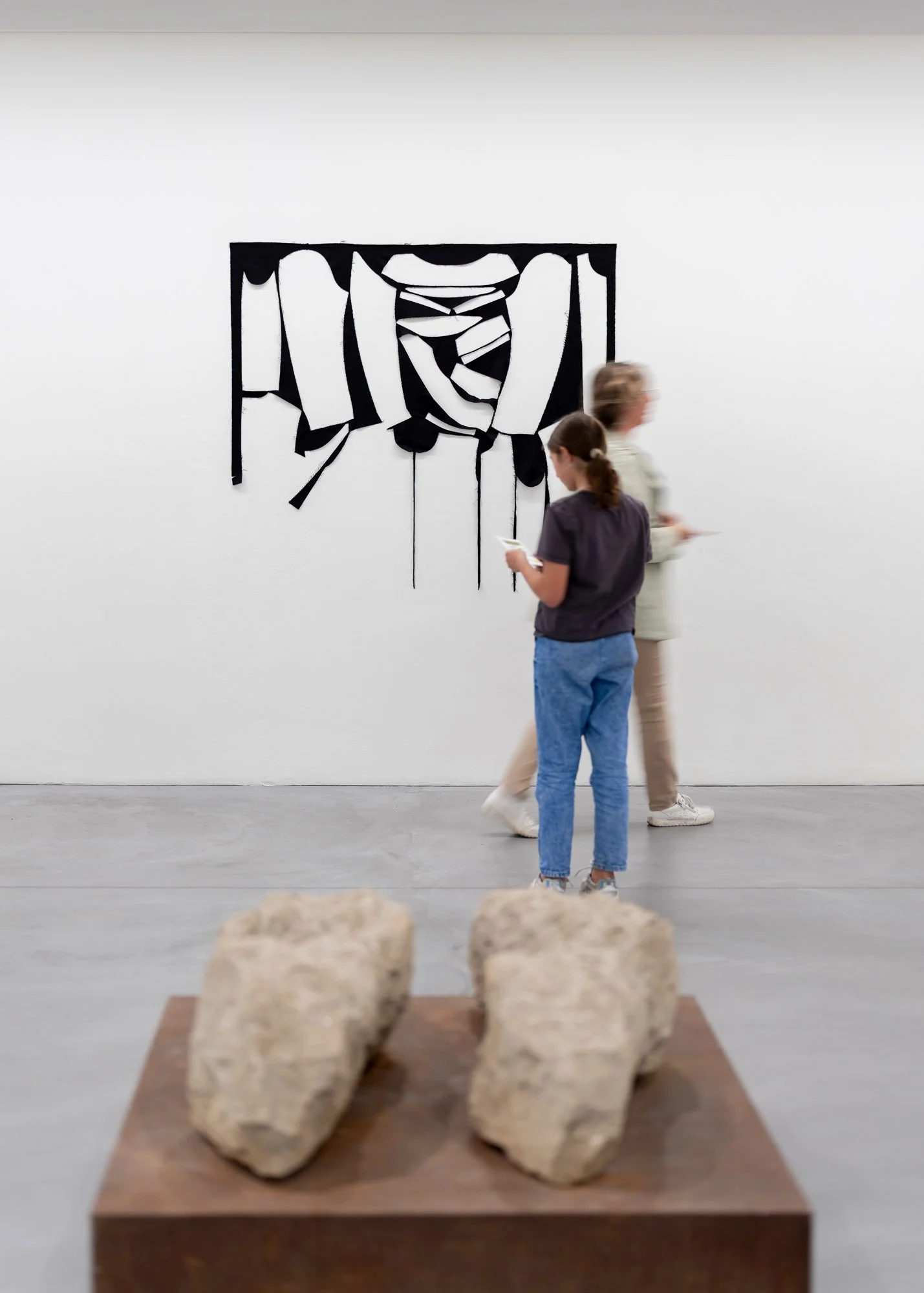
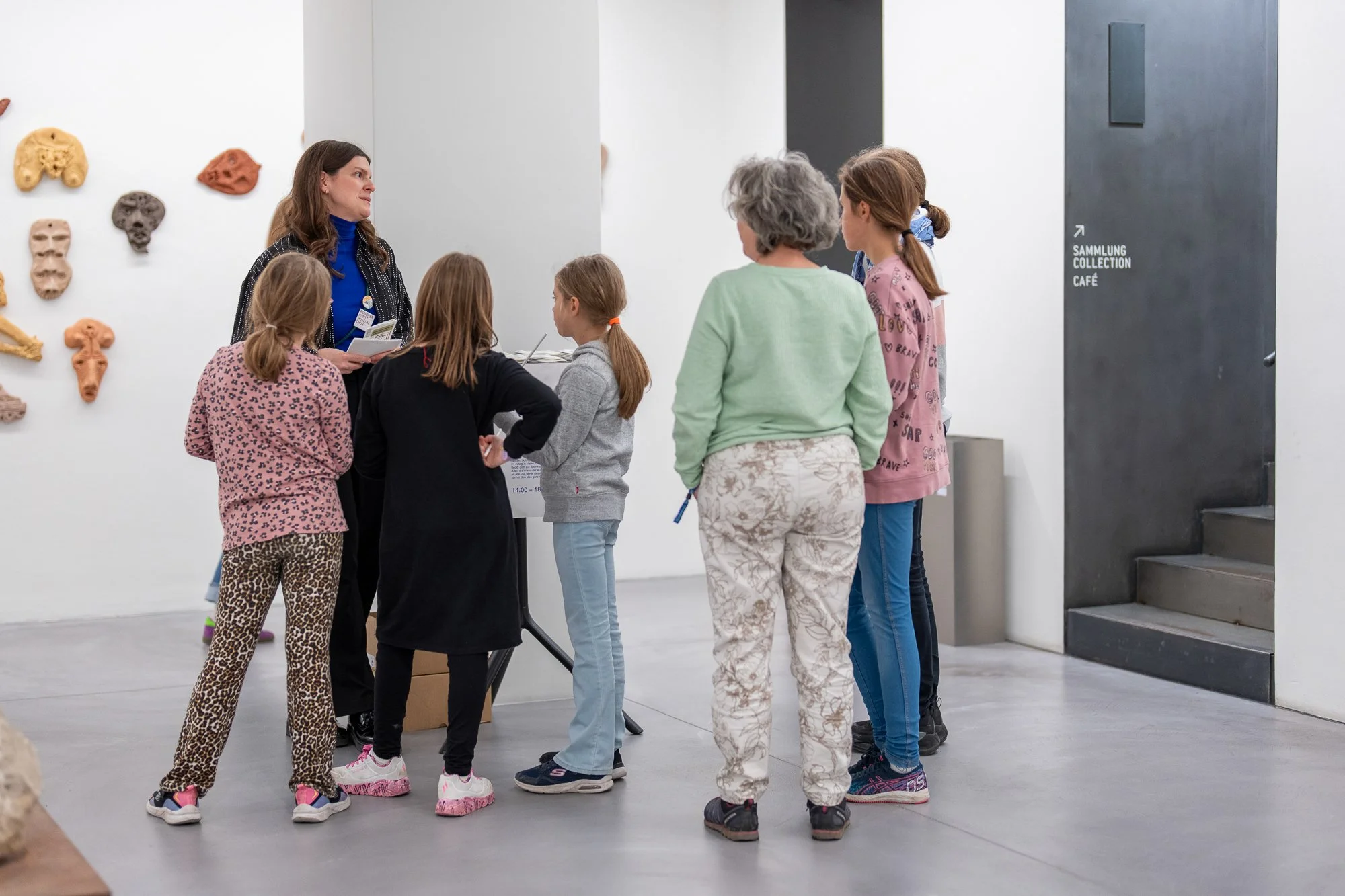
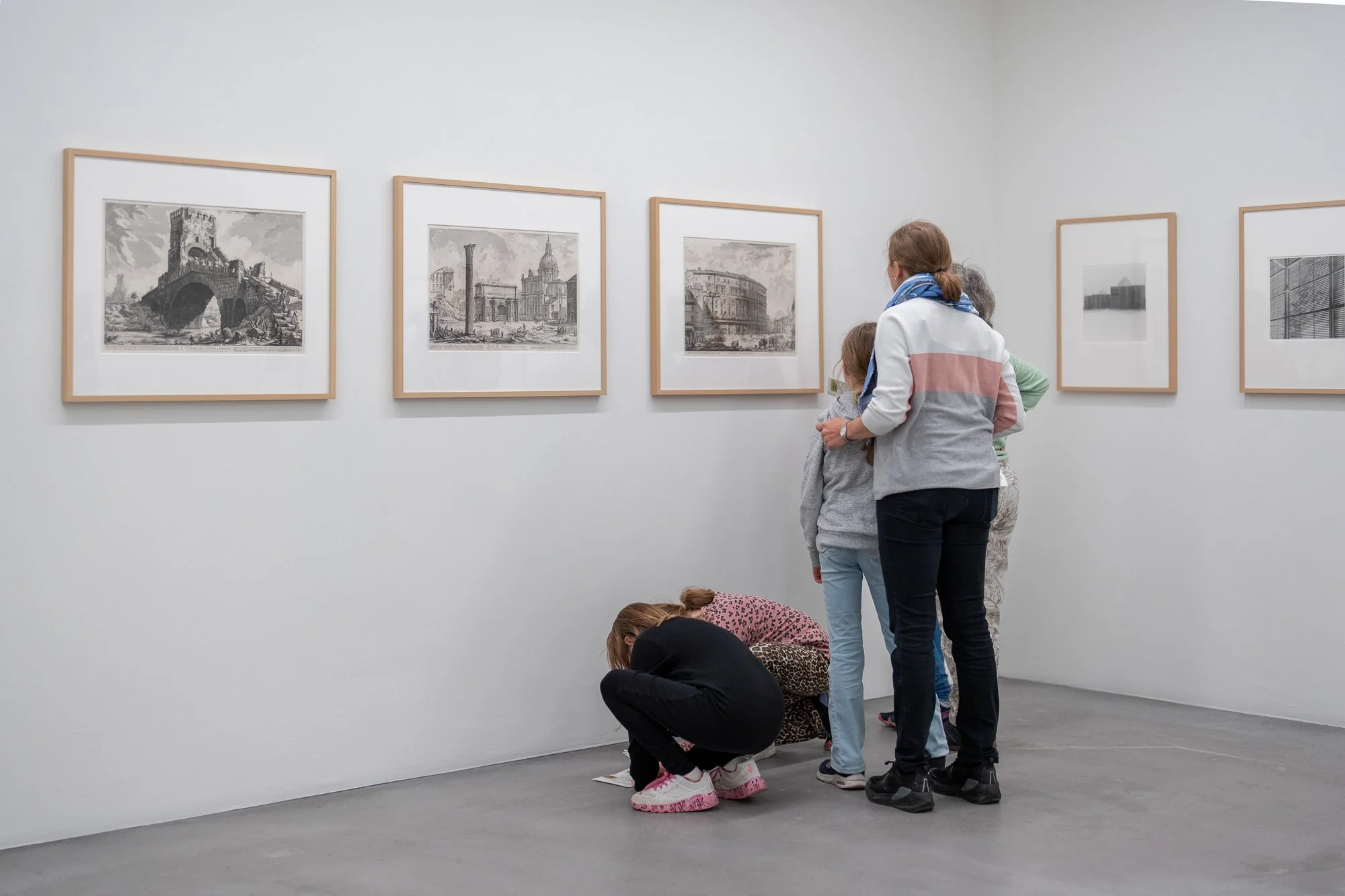
-
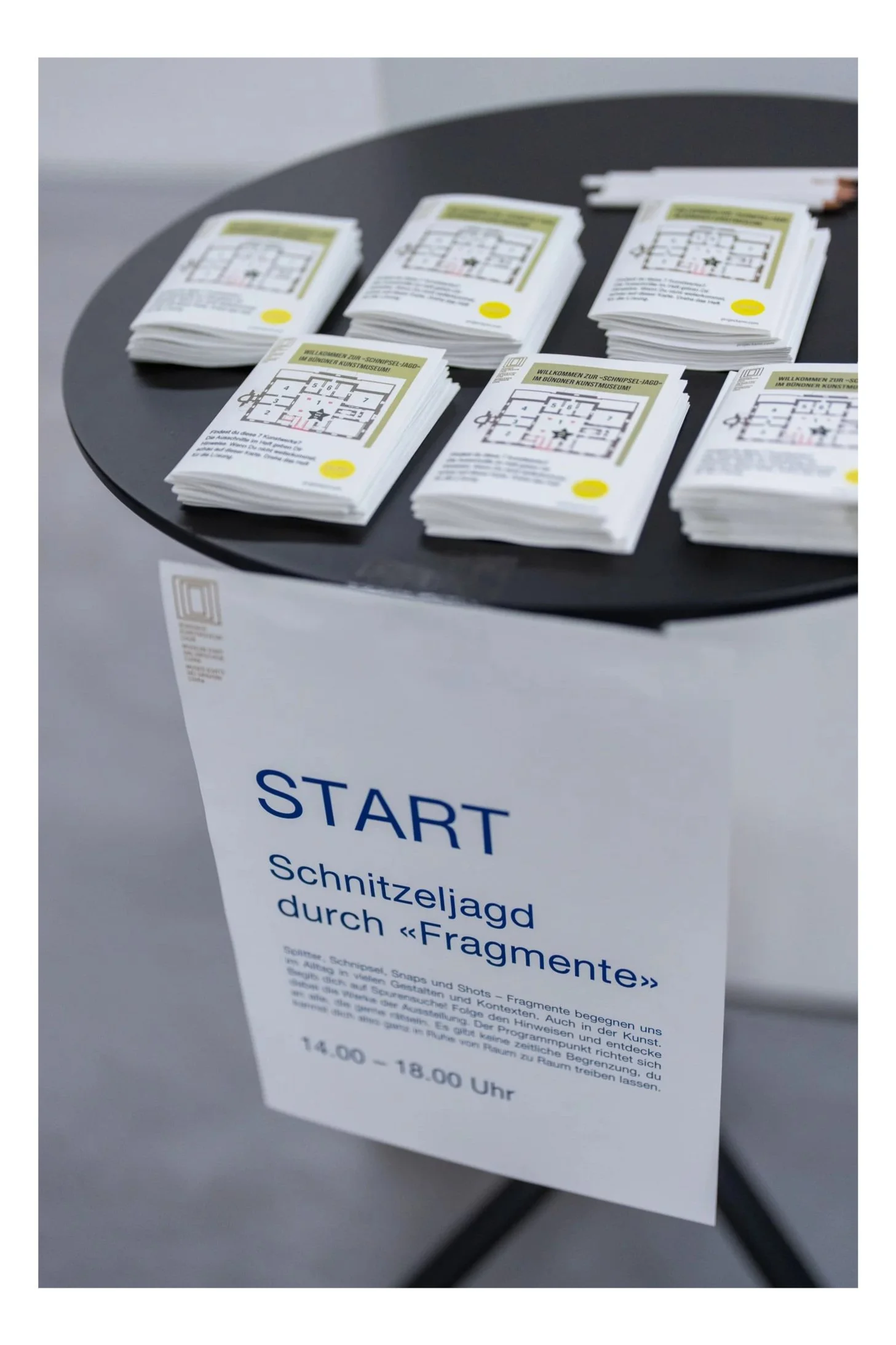
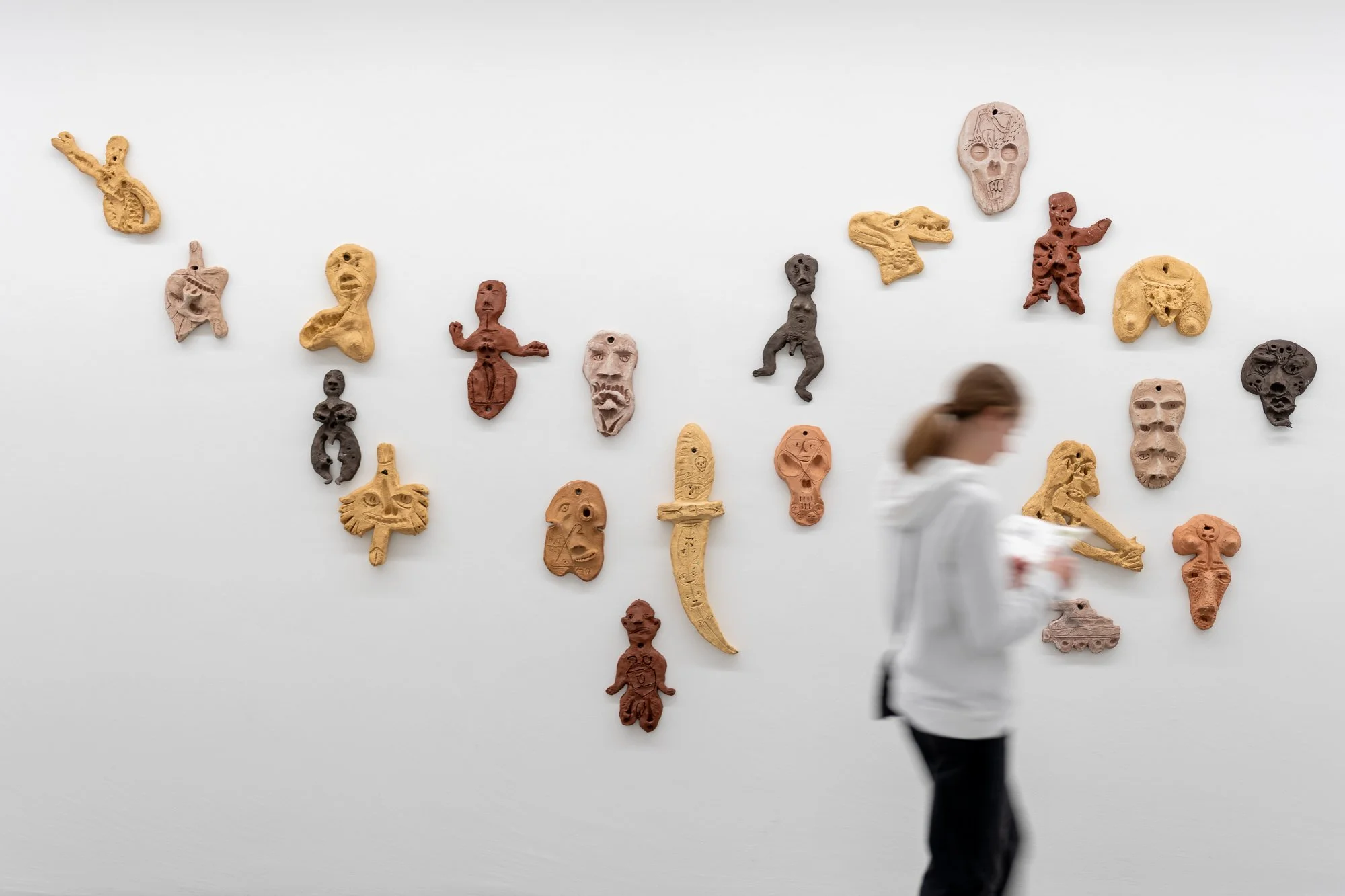
We used the game “Gallery-Hunt” version in the exhibition “Fragments. On Searching, Finding, and Showing the Incomplete”. It ran during the event “Long Saturday” a cross-disciplinary cultural festival that is designed to draw attention to cultural creation in Chur such as museums, theatres, concert halls etc. It is a community event that brings together a broad mix of people; some may already know the museum, others do not visit the museum regularly.
-
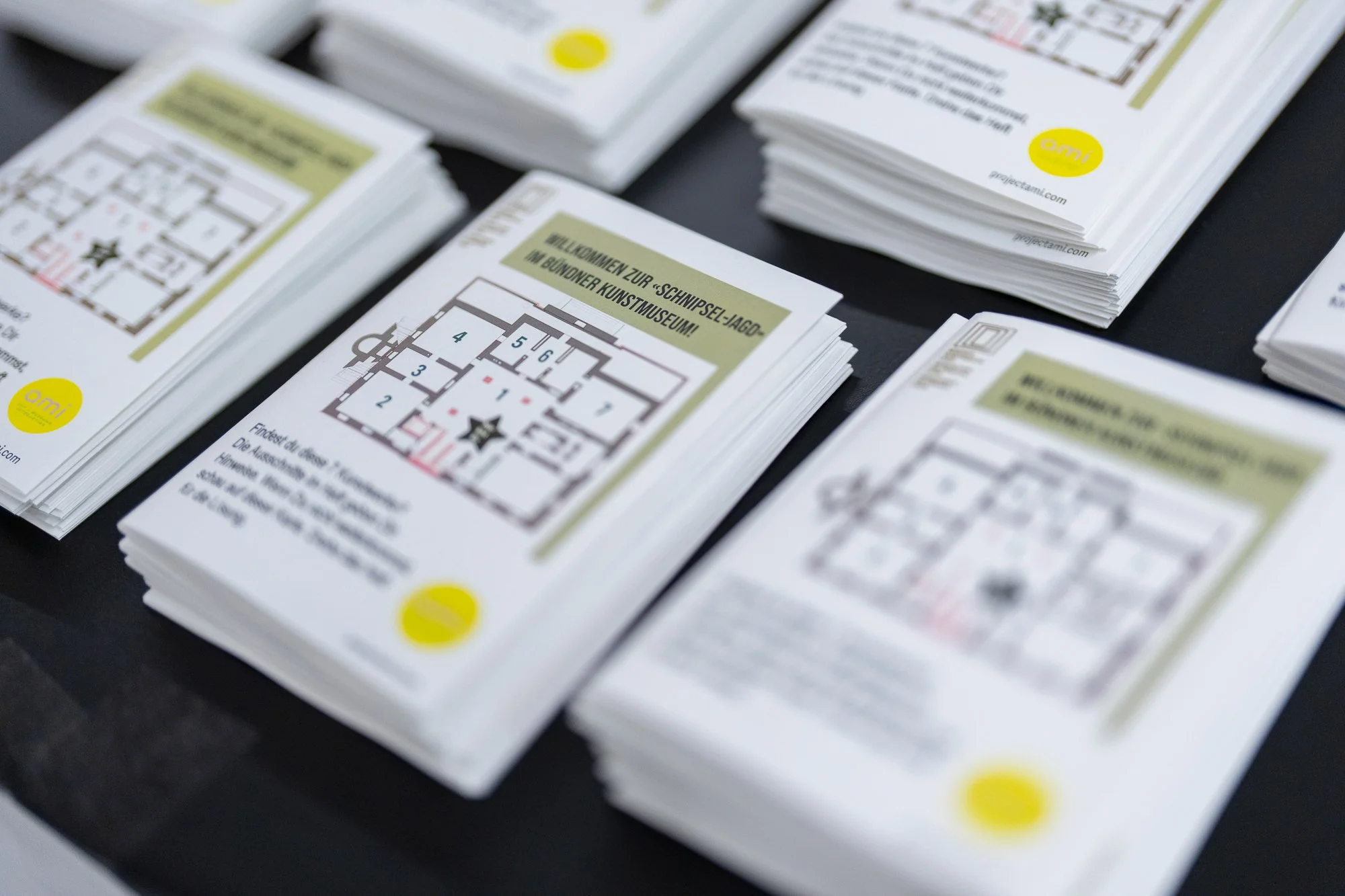
Players were shown fragments of the full work instead of drawings and clues. We put these images into a booklet and included questions and activities to go along with each fragment. We decided to include 7 works and included a map of the gallery for orientation in order to fit the content it into an 8-page-zine.
-
This game is very easy to explain and engage people and you do not need a lot of infrastructure. Some players especially visited the museum for the game, others discovered it by chance and chose to play it spontaneously. It worked particularly well to engage adults as well as children.
Approximately 100 booklets were in circulation during the four hours we offered the game. Most people played in pairs or groups; therefore, we estimate around 200 players took part. That means, we were able to reach about 10% of the more than 2’000 visitors during that day. A very positive result, especially regarding the limited time frame and the other events happening at the same time.
-
The 8-page-zine was easy to make but it took some time and practice to master the folding as we needed a high quantity of booklets for the day. Depending on your financial resources, outsourcing the printing and production might be something to consider. Although it is possible to do it on your office printer, the quality of the colors and file format might not be dependable.
-
One curator worked on the concept accompanied by a game designer (FableVision). Total external costs were CHF 1’200.