ARTiculate


Brought to you by: Kunstmuseum St. Gallen
Game type: Mobile, Multi-Player
Duration: 10-40 minutes
Used by: Kunstmuseum St. Gallen, MASI Lugano/LAC Edu
Play the game:
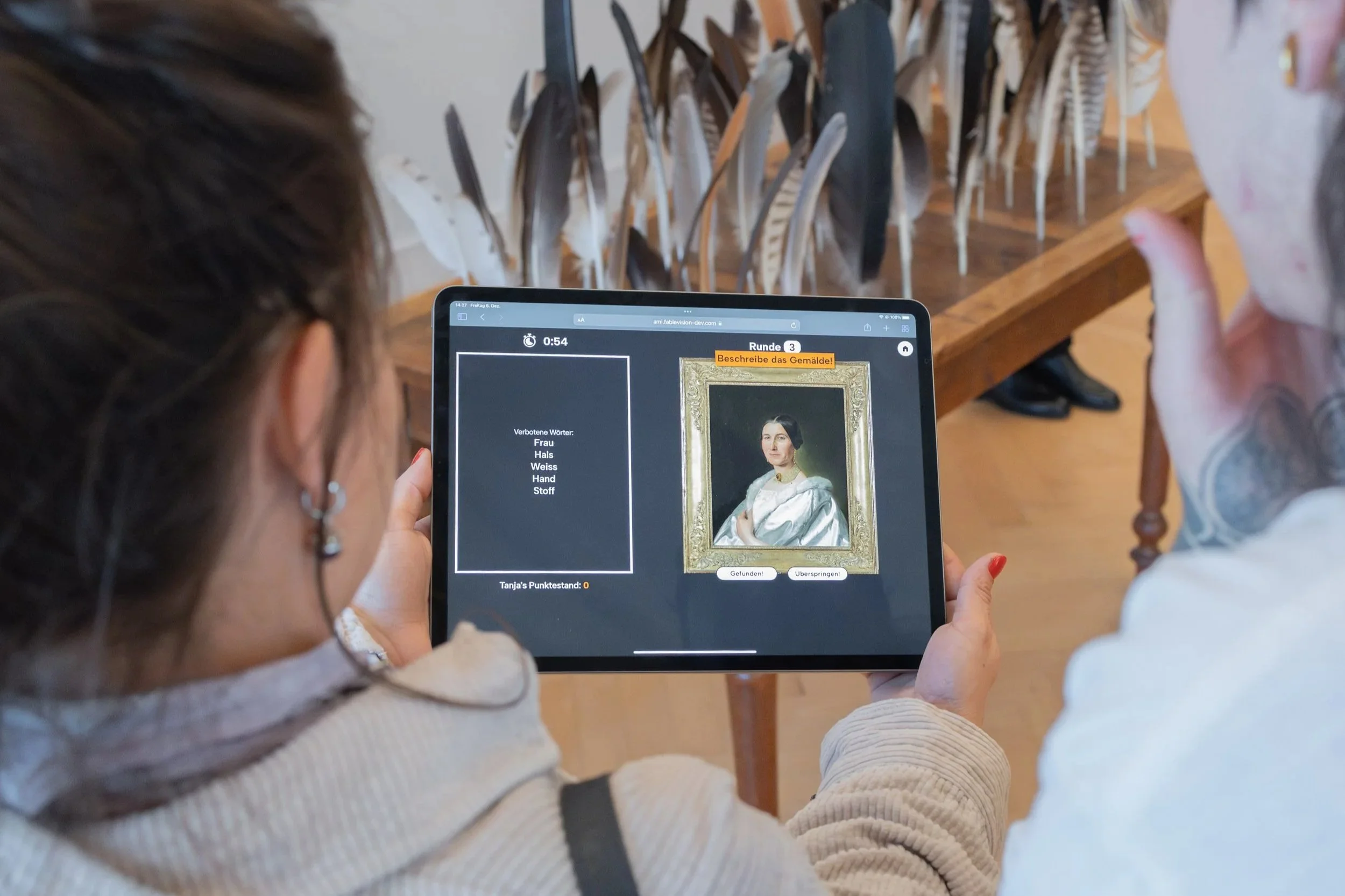
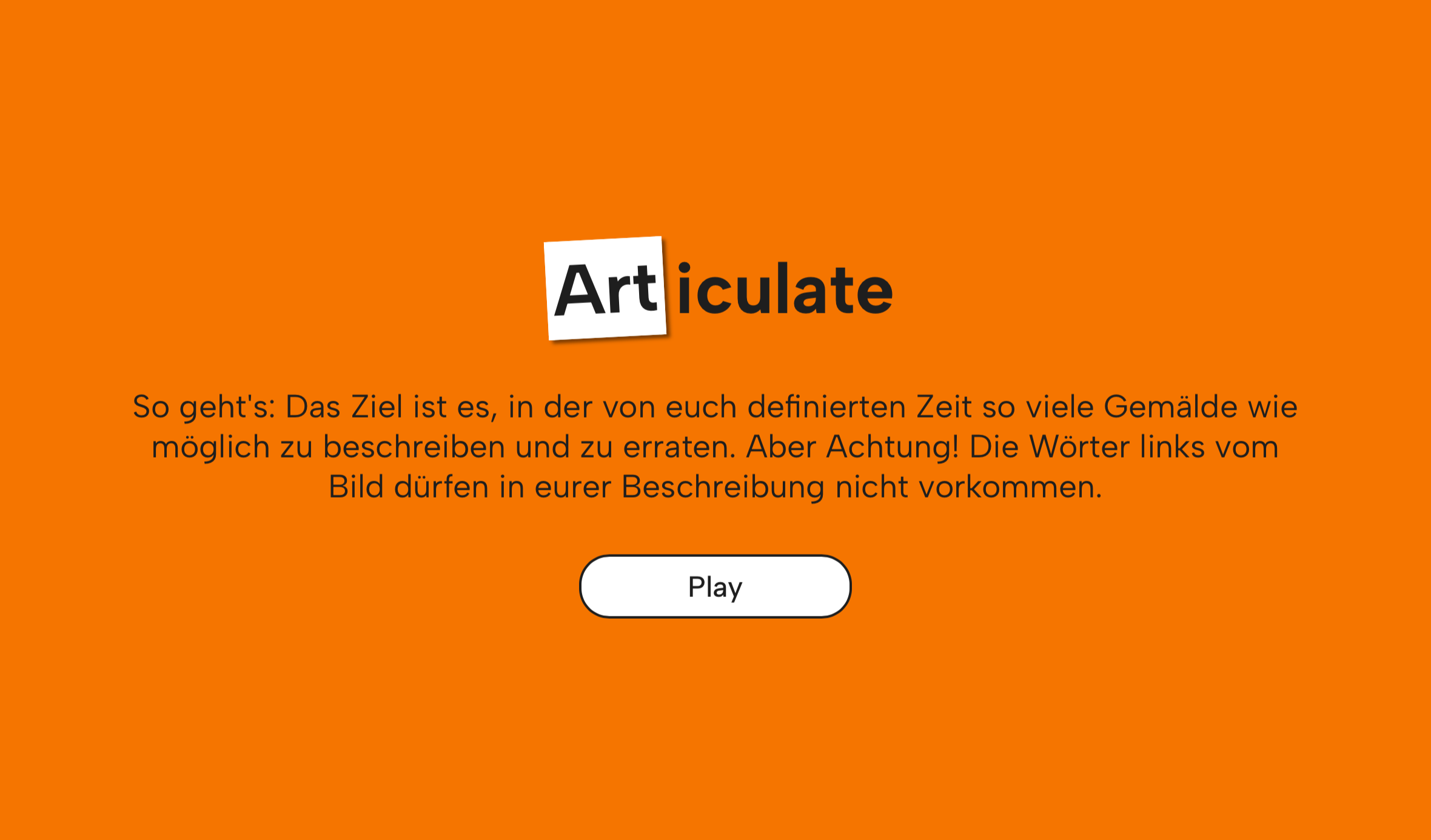
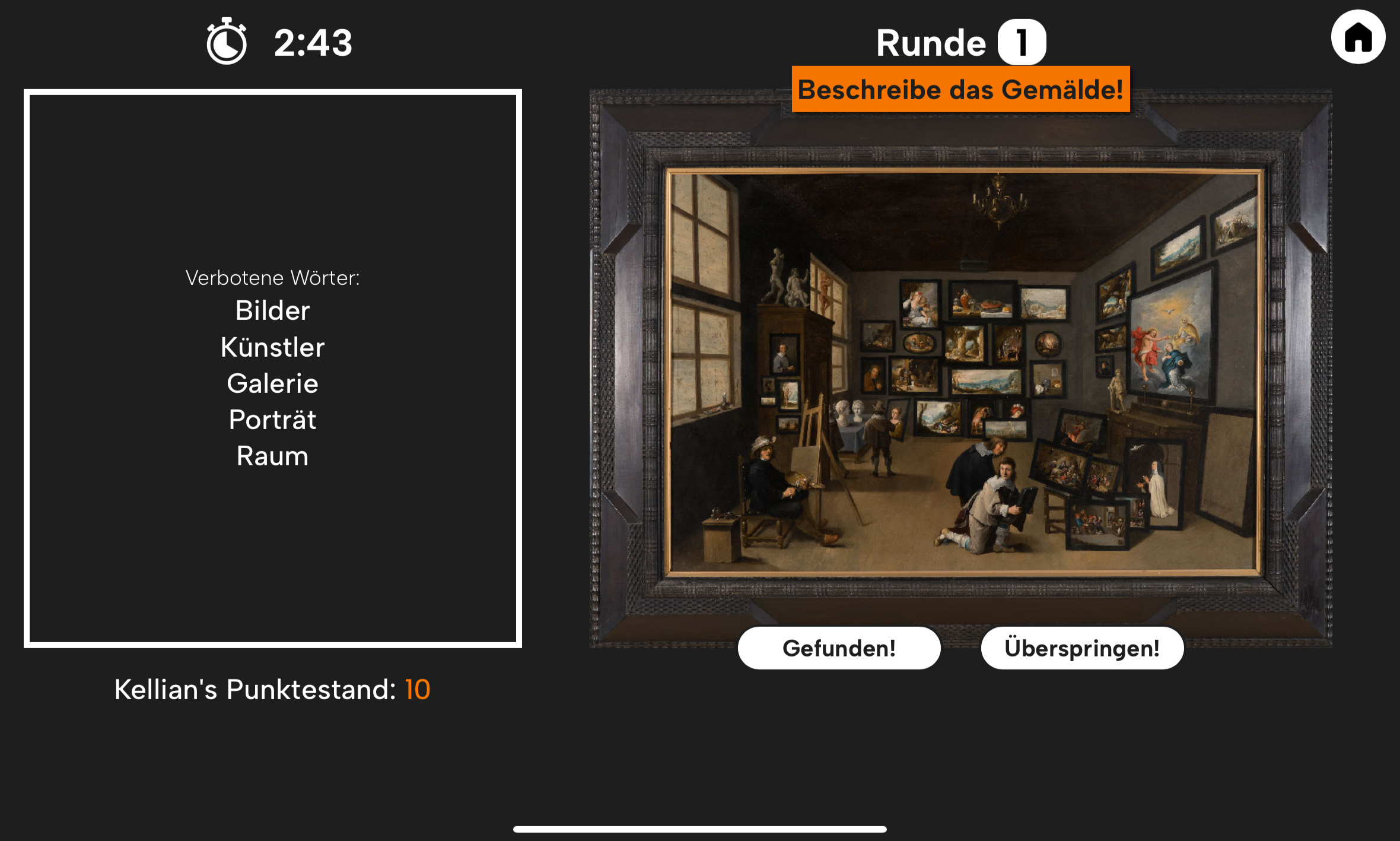
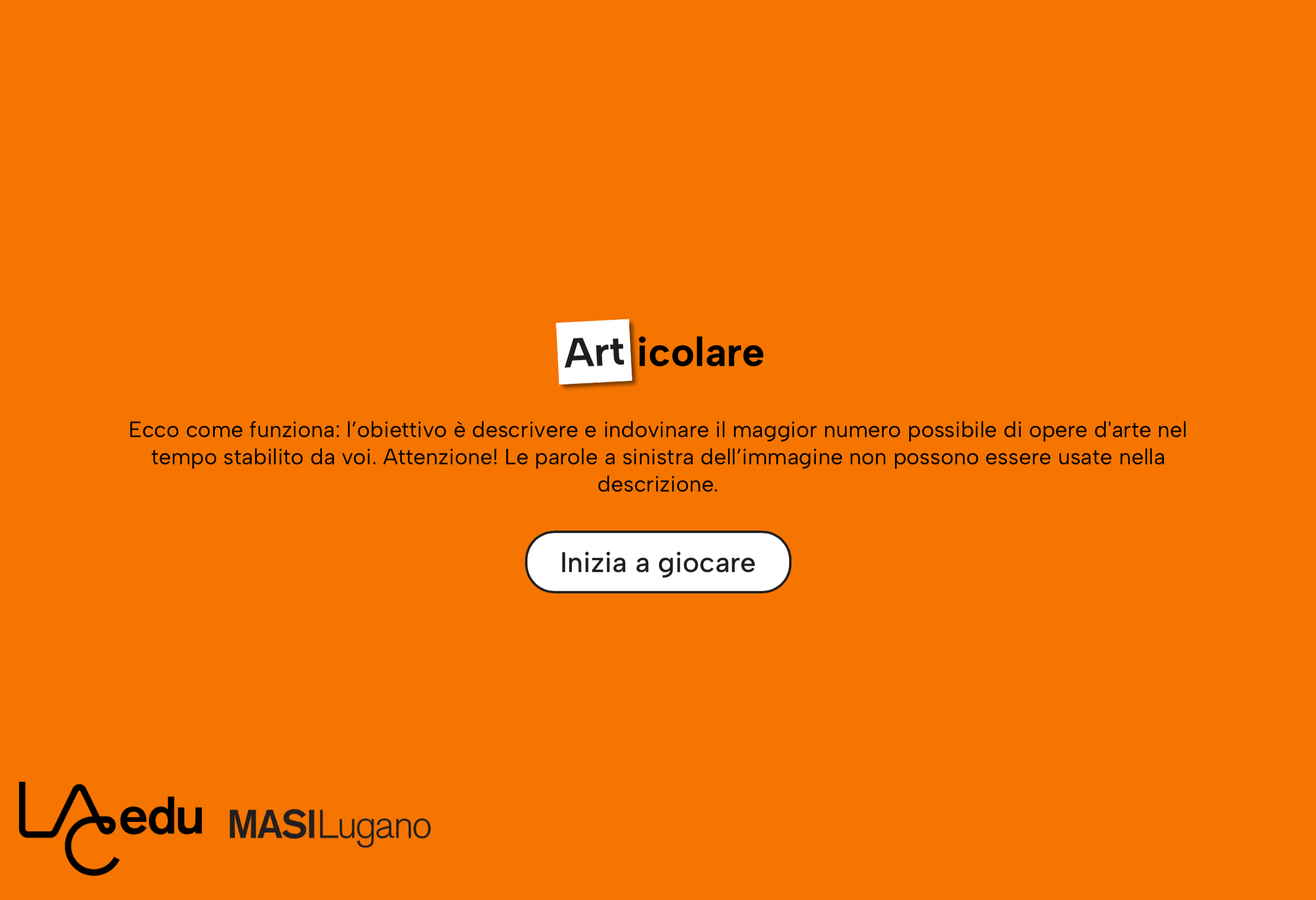
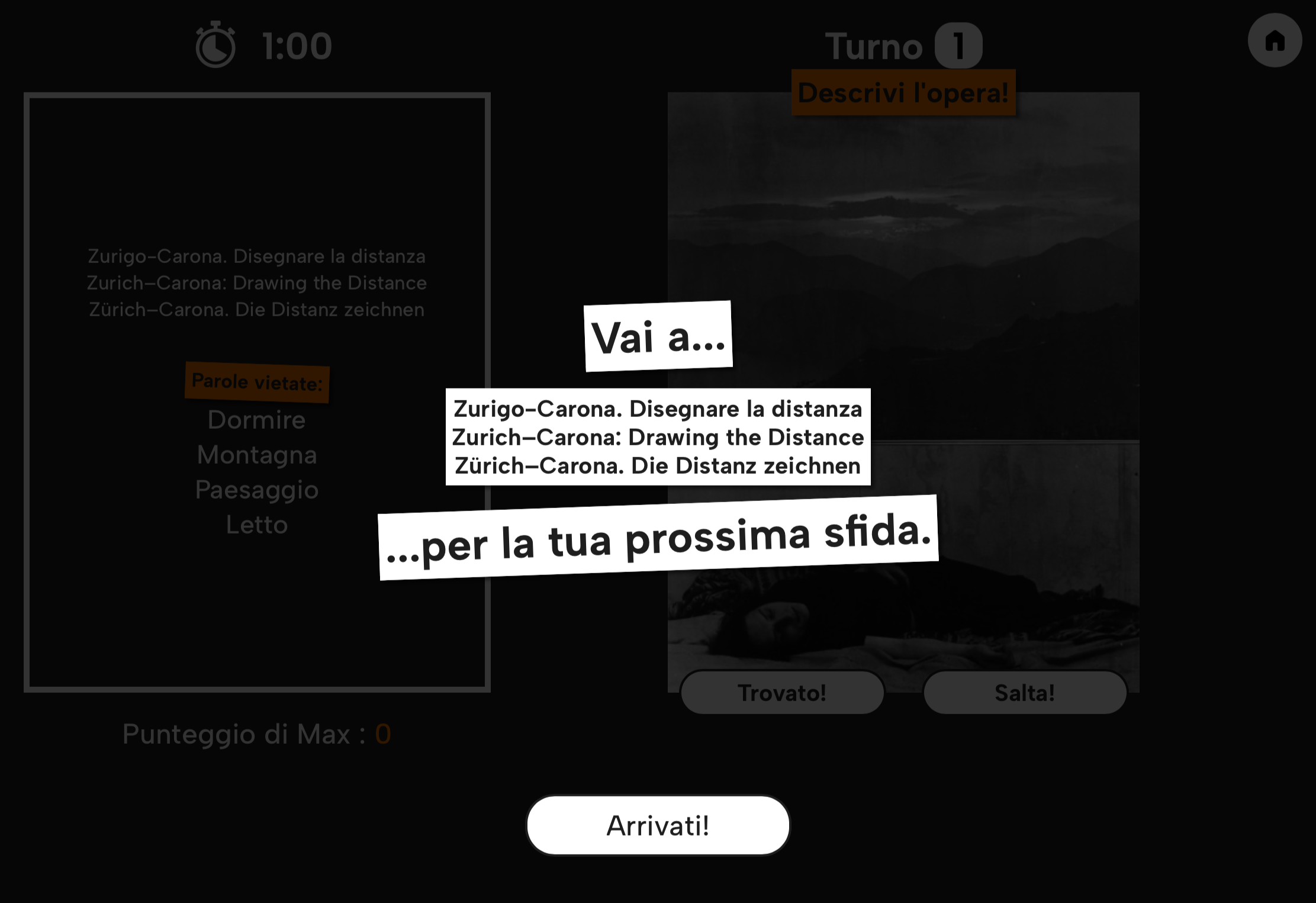
Players take turns guessing different artworks based on descriptions given by their teammates, with the restriction that none of the words on screen can be used as a clue. The game encourages closer-looking engagement with the artworks and social interaction in the gallery.
-
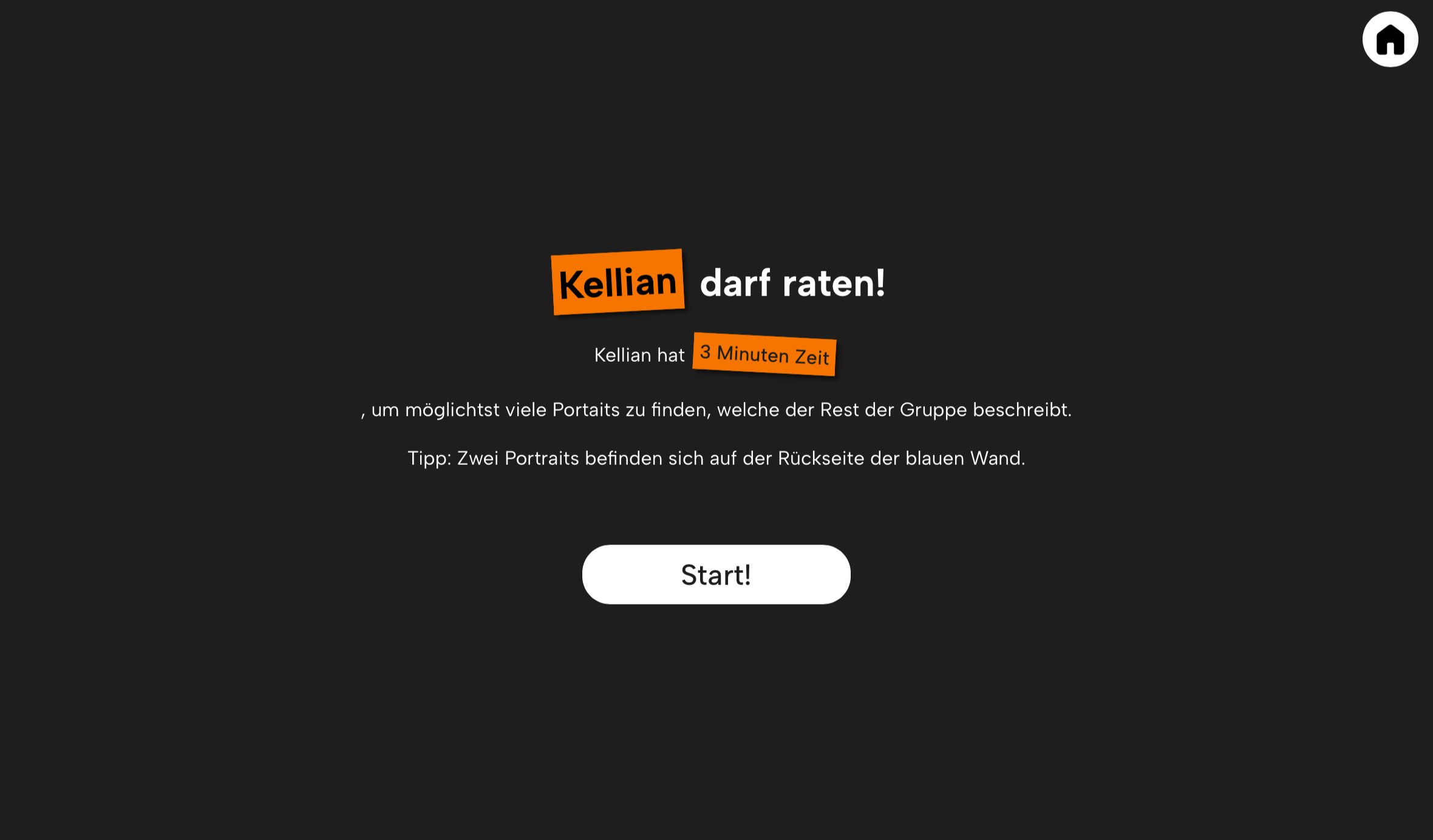
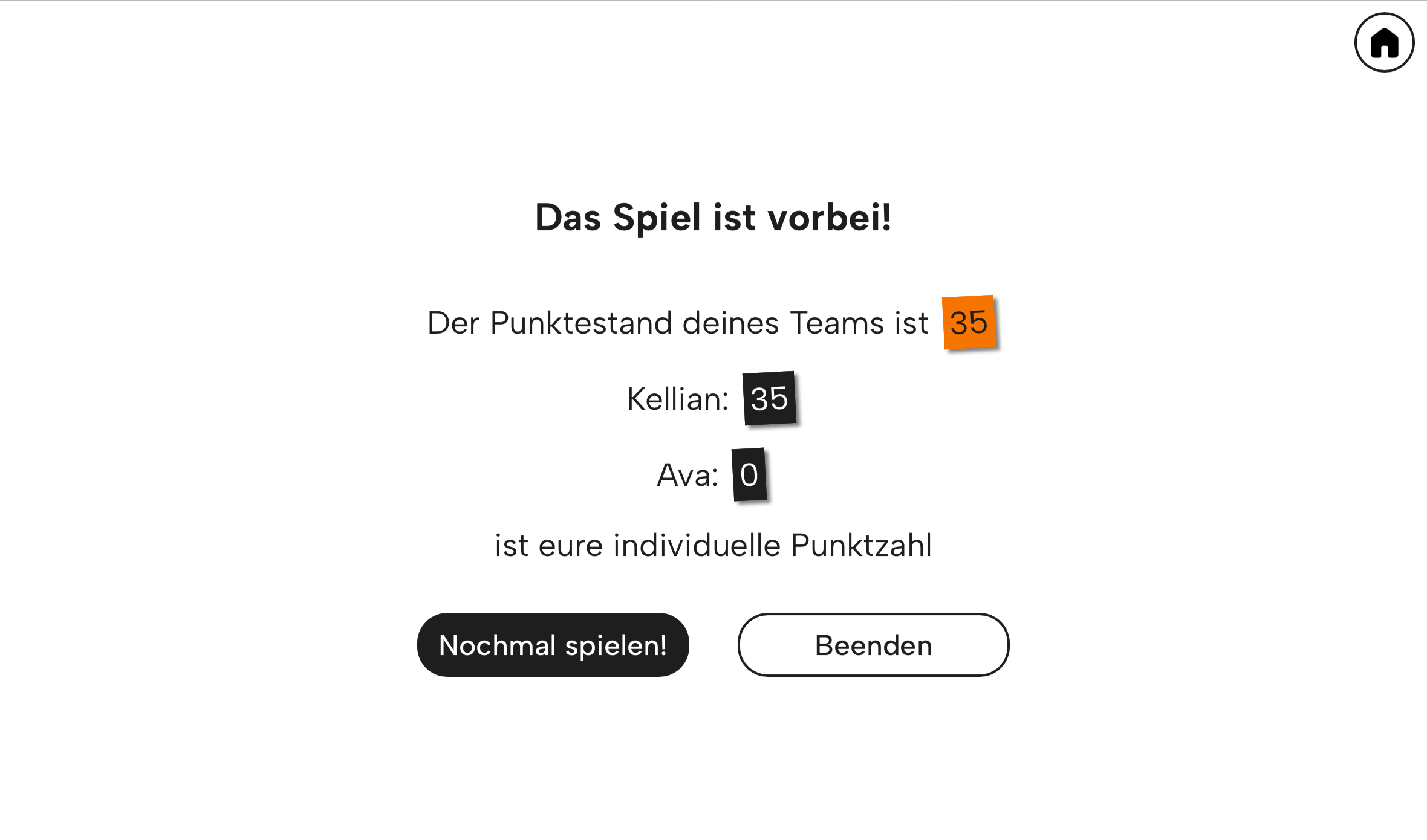
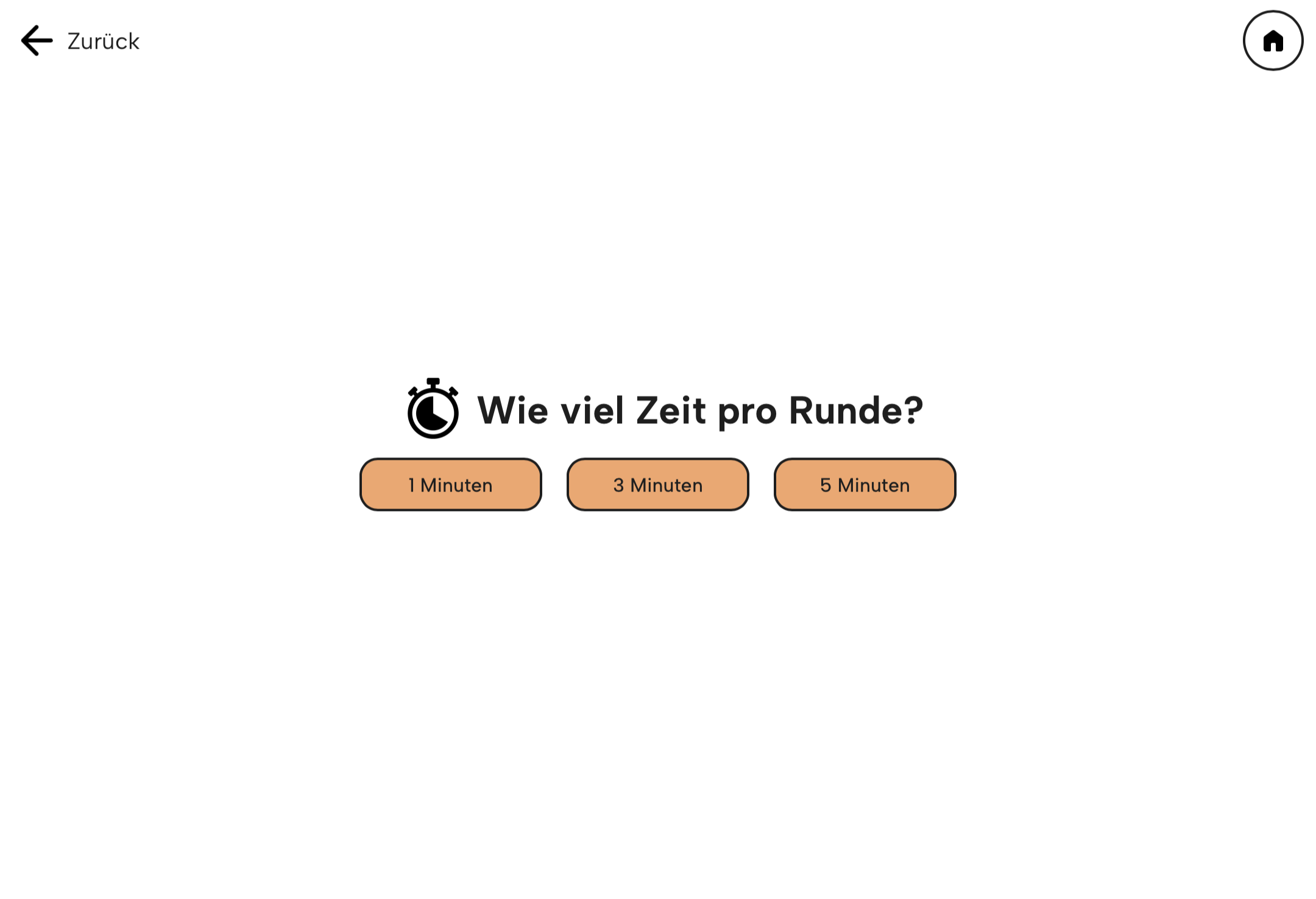
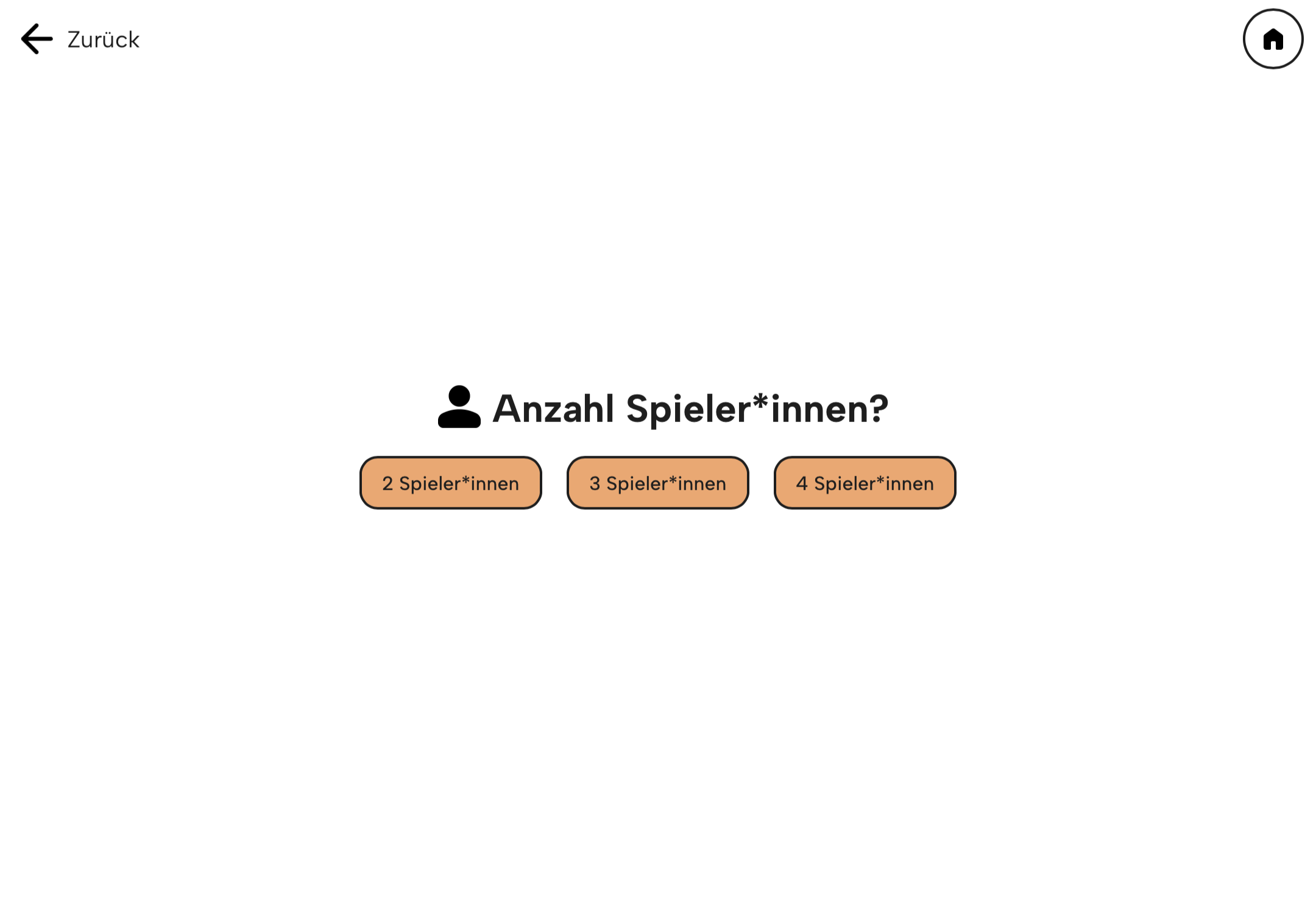
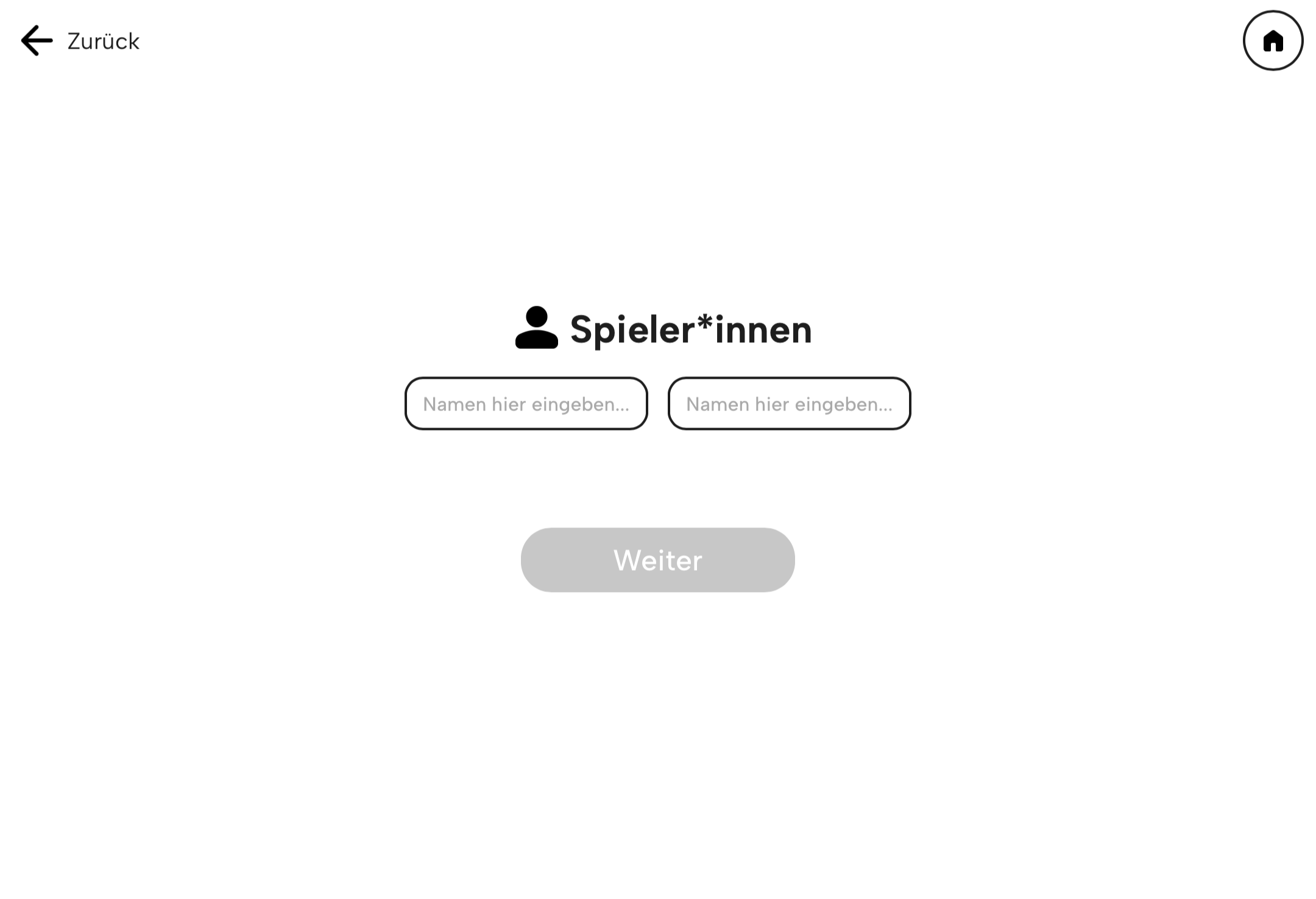
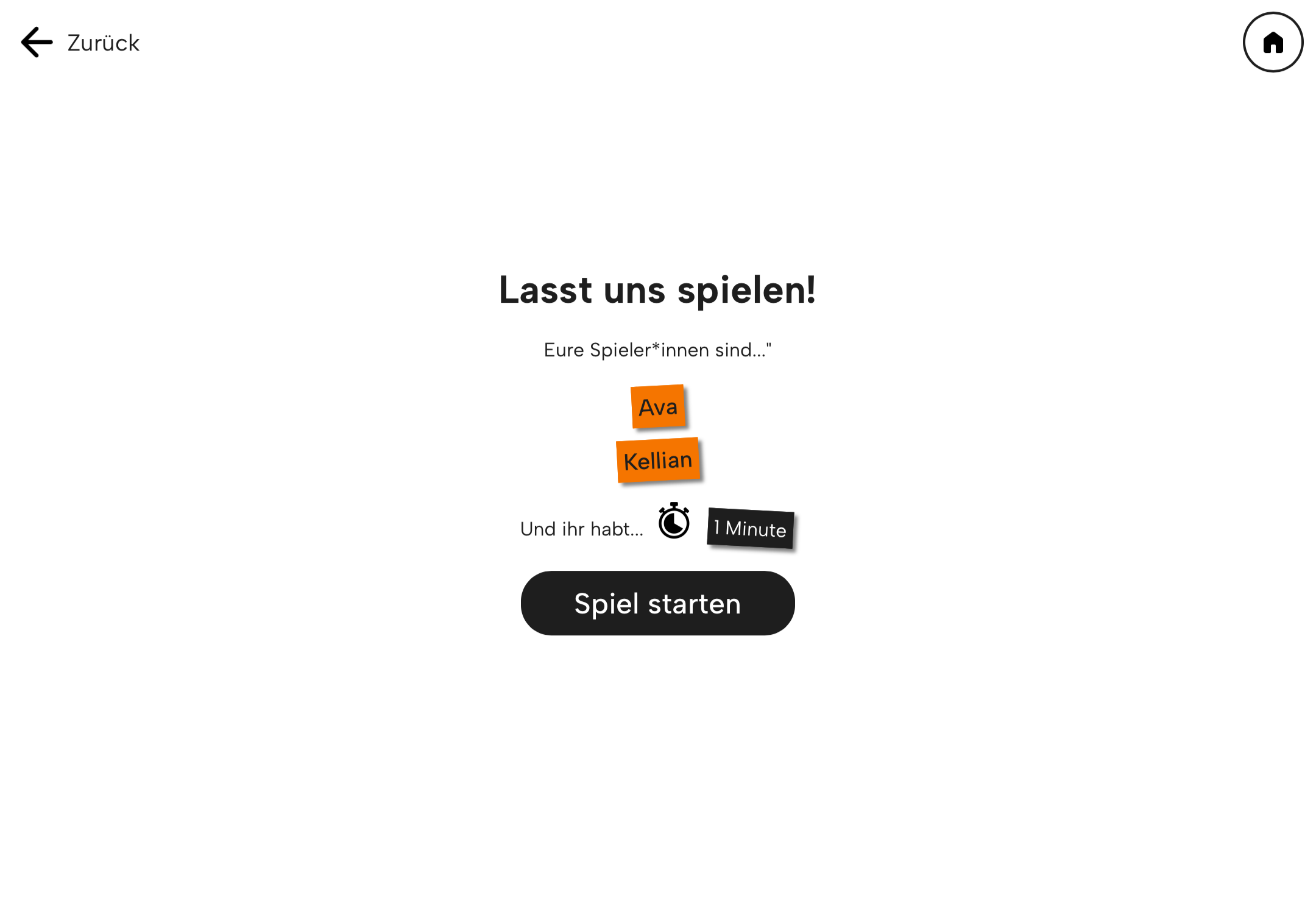
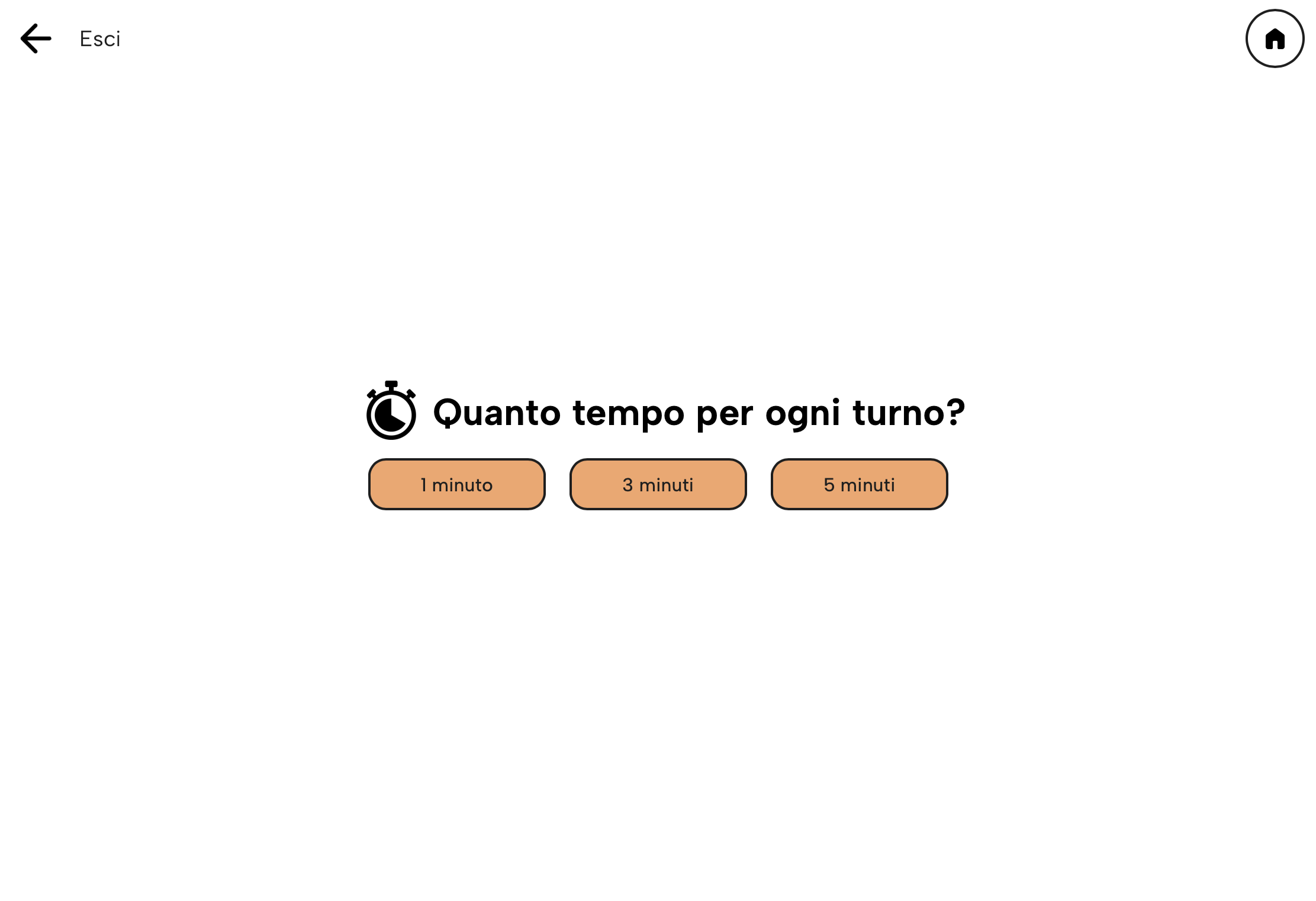
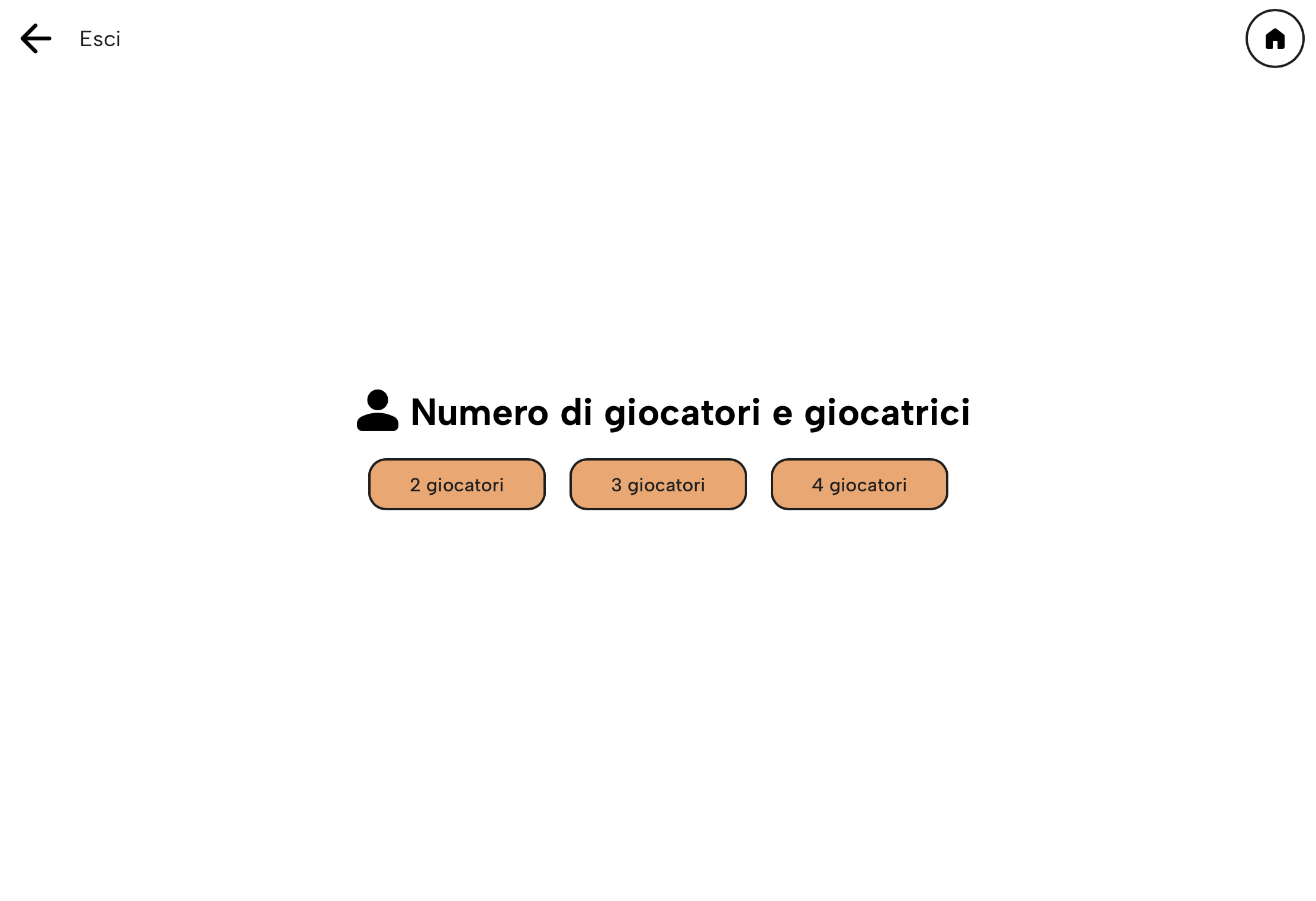
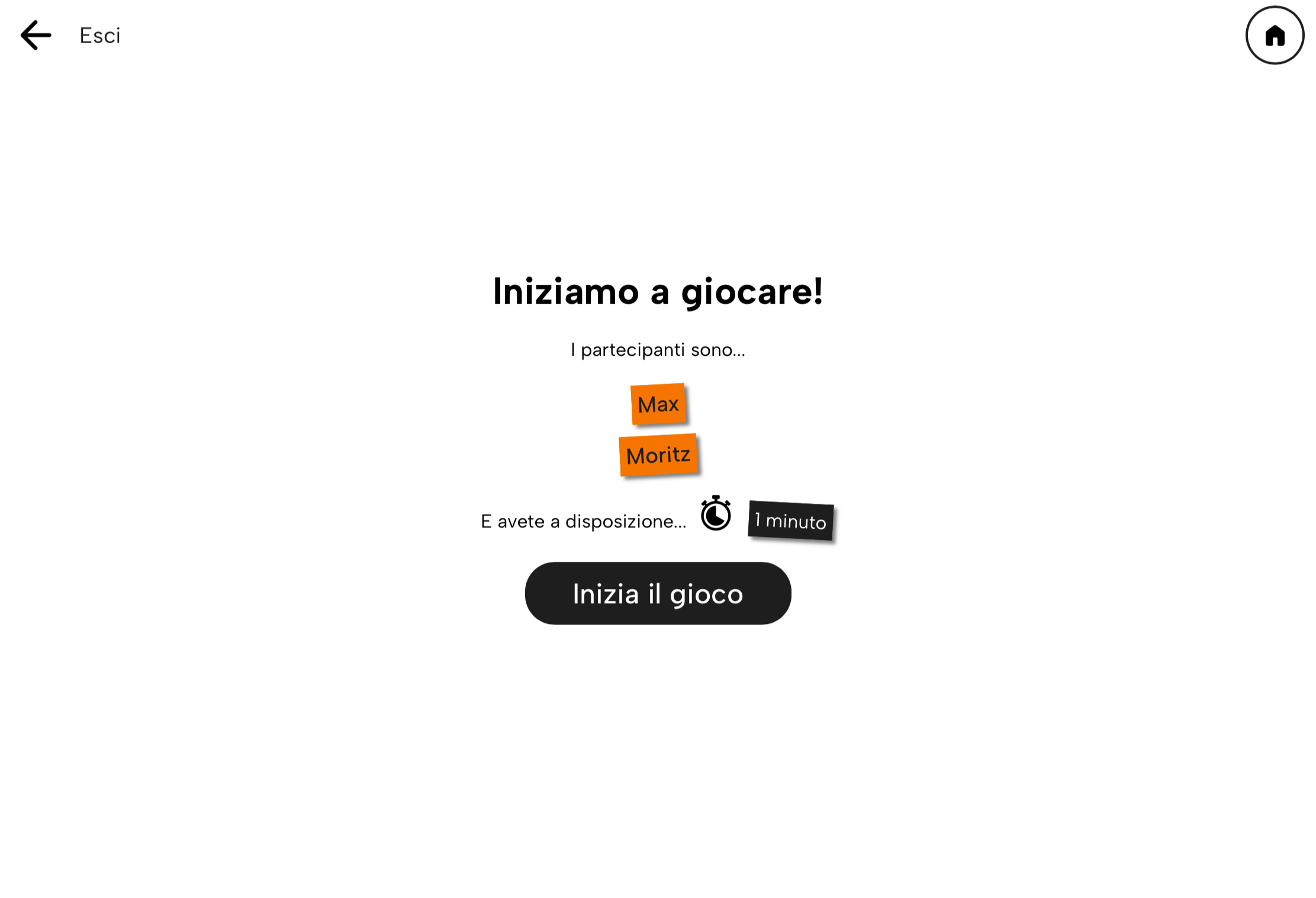
Participants form groups of 2 to 5. Each person takes turns giving clues to describe the painting they see on the game device while other players walk around the gallery to guess. The clue giver can’t say the “forbidden words” when they describe. When everyone finishes their turn, see how your group scores at the end, and whose score was the highest!
English
German
Italian
Multiple languages through open browser
-
One mobile device (smartphone or tablet) per group
Connectivity
Multiple distinct works throughout a gallery or galleries
-
Good for classes and large groups
Permanent collections and big galleries with multiple pieces
Exhibitions with artworks that have a lot of detail
Teenagers and Youth
Families
-
Check out our prototype code at https://github.com/FableVision/ami-st-gallen
Access and edit the code anytime or reach out to friends@projectami.com to schedule a free consultation.
Variations
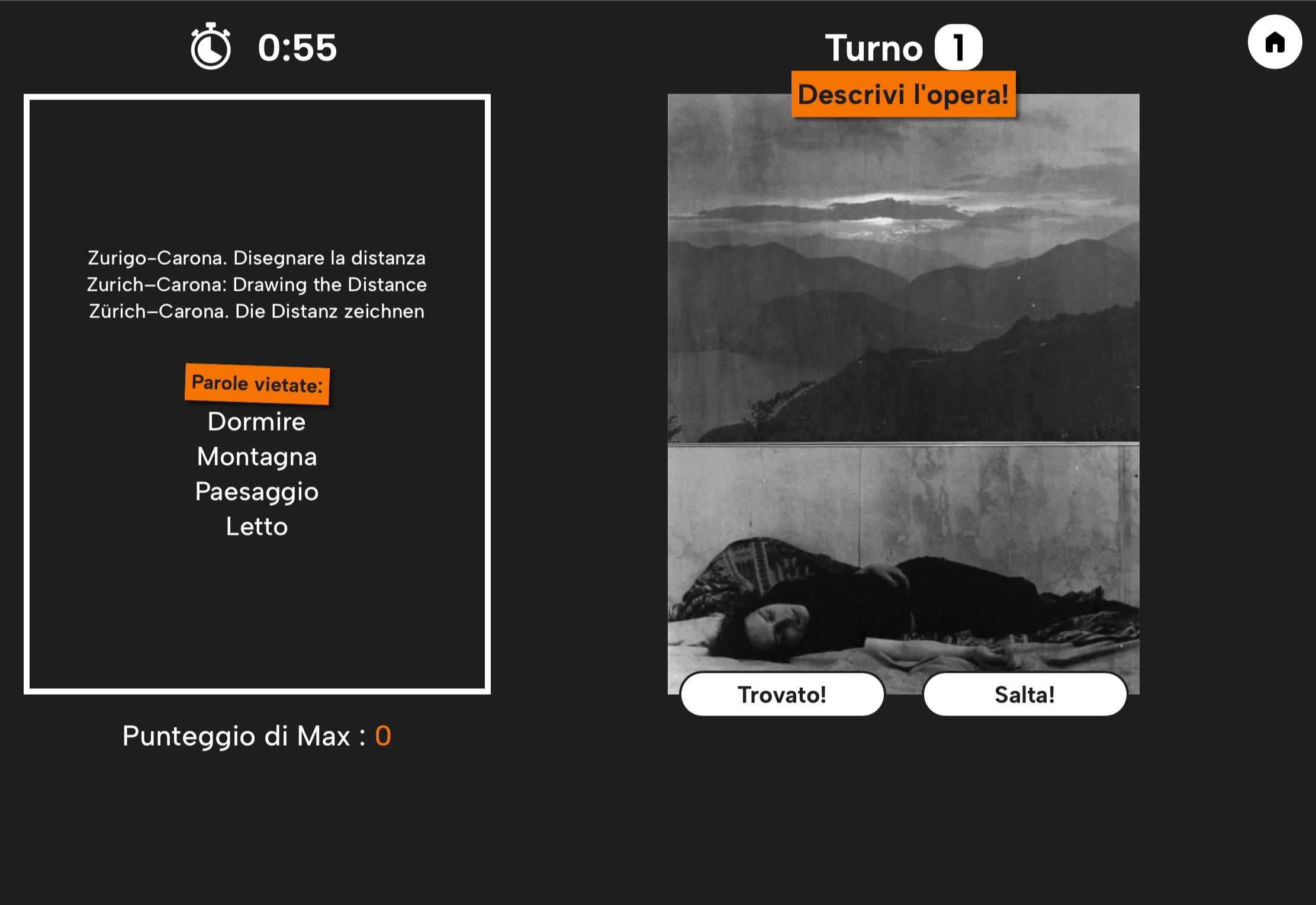
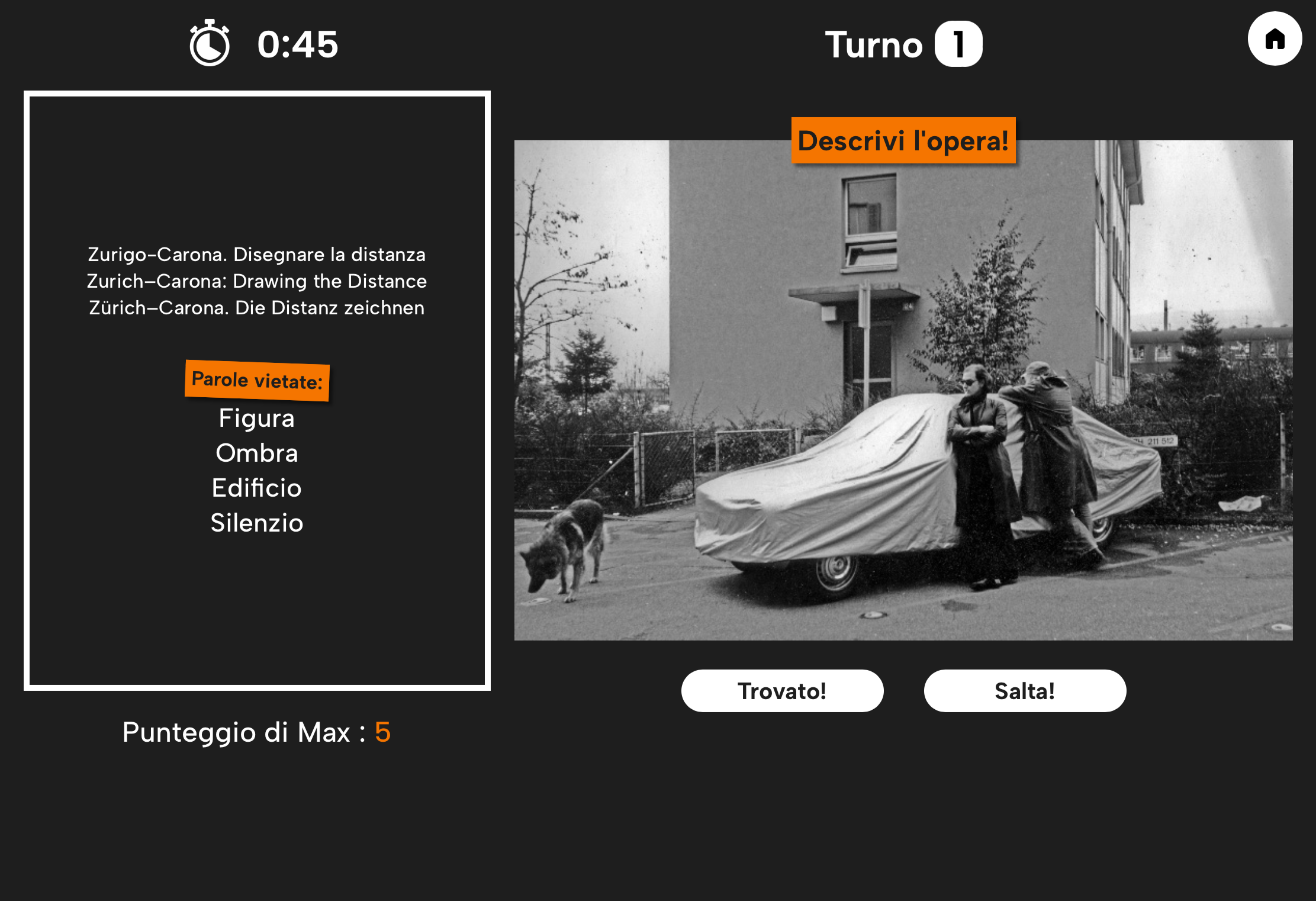
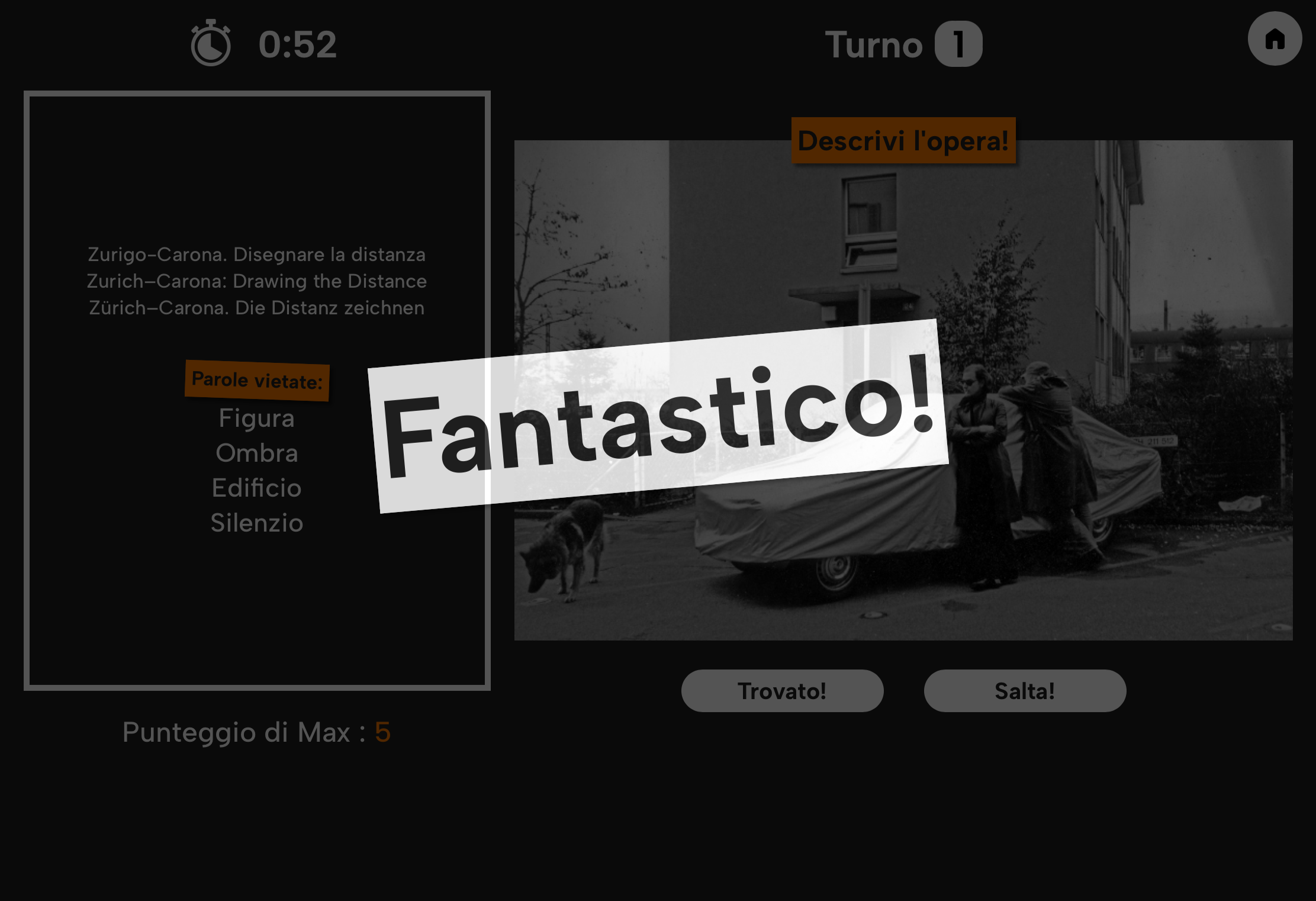
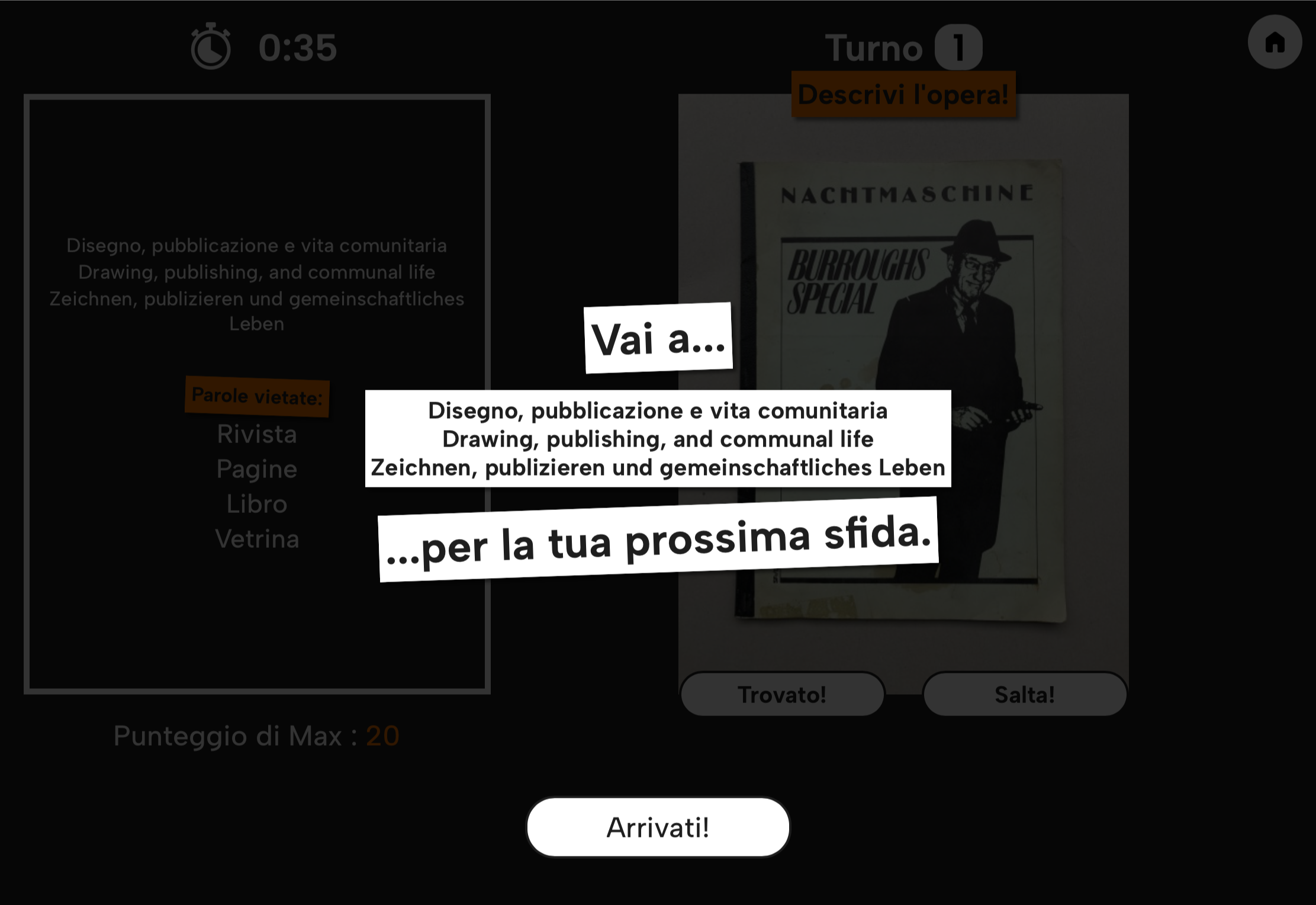
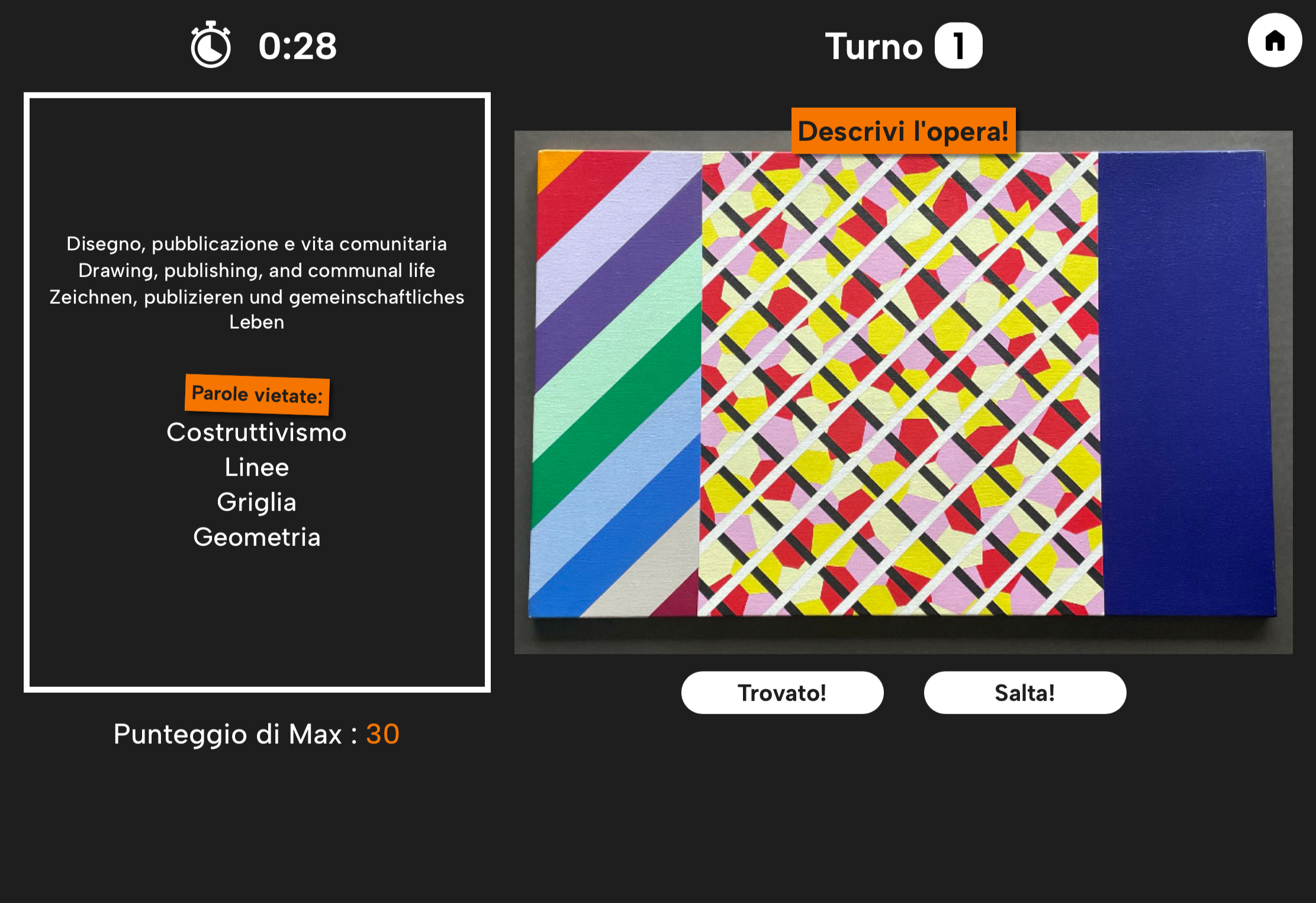
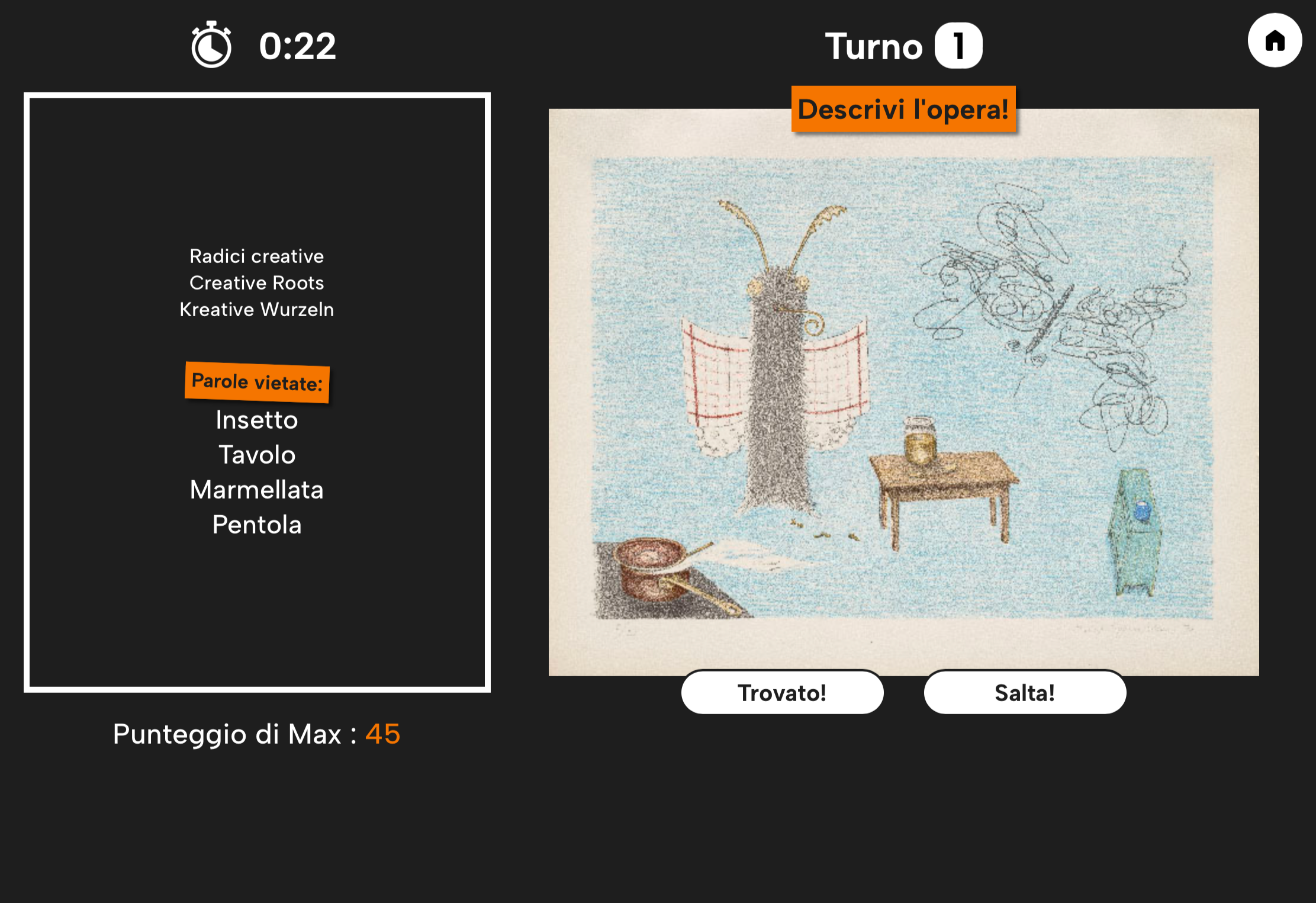
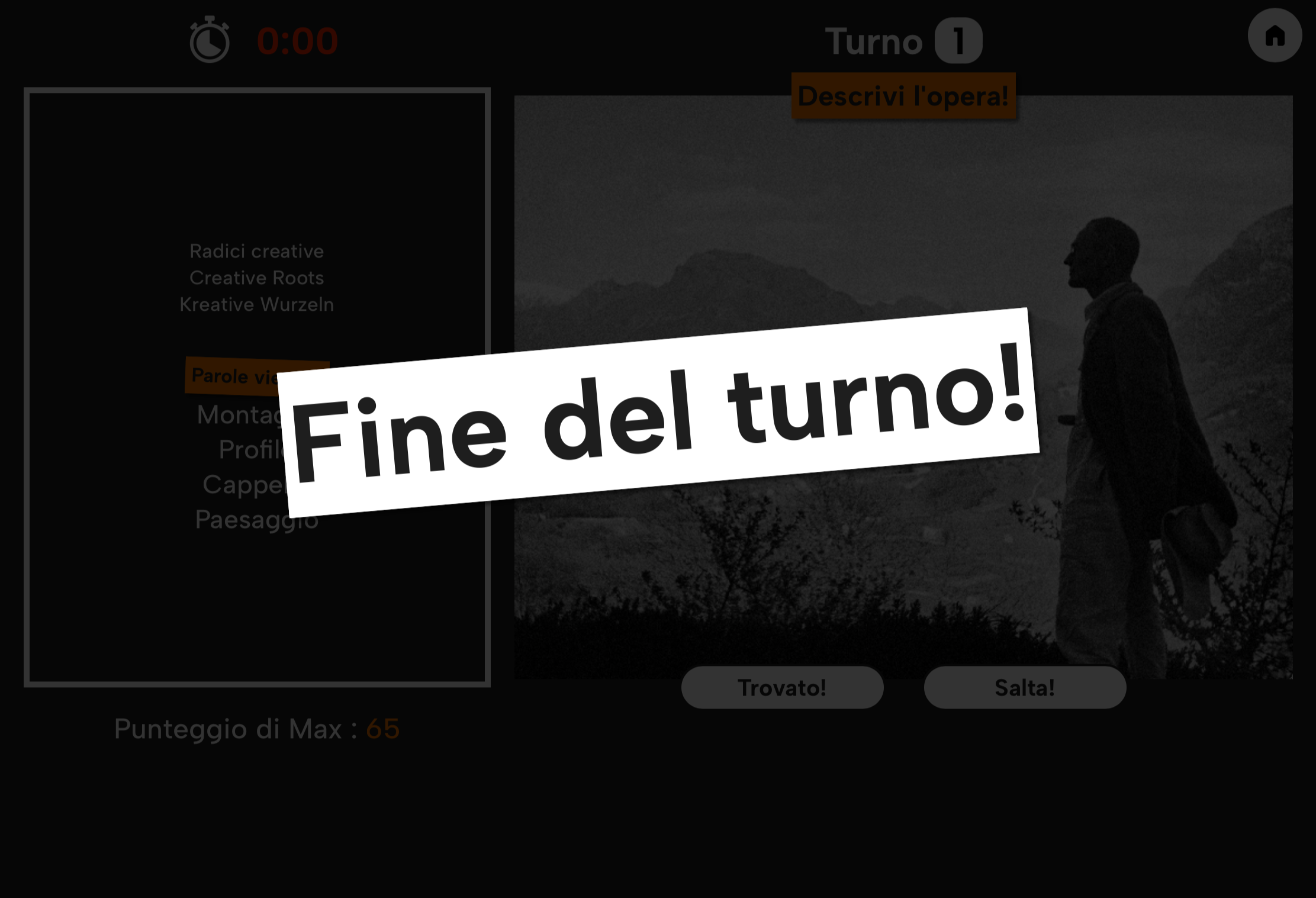
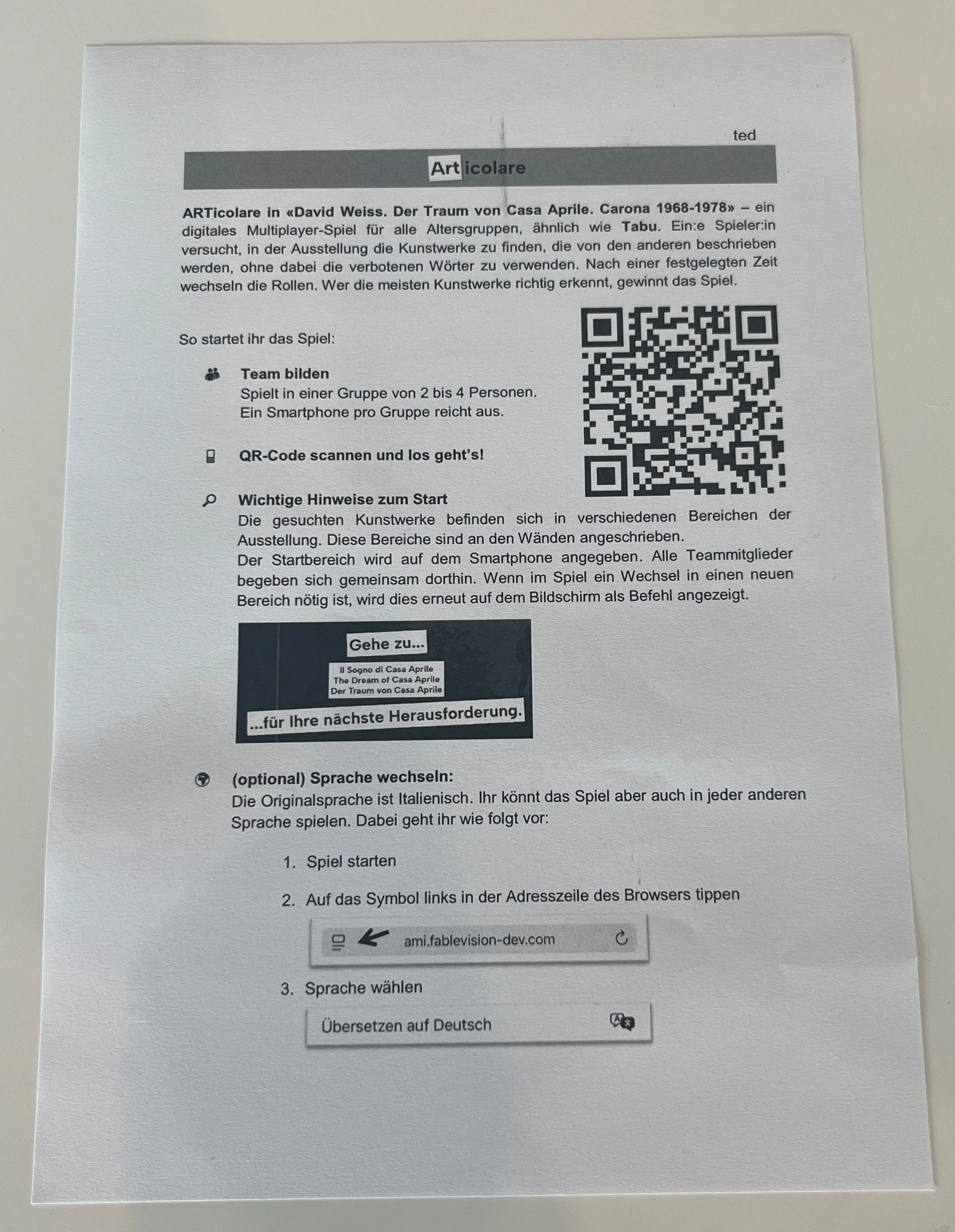

MASI Lugano
How did you use the game?
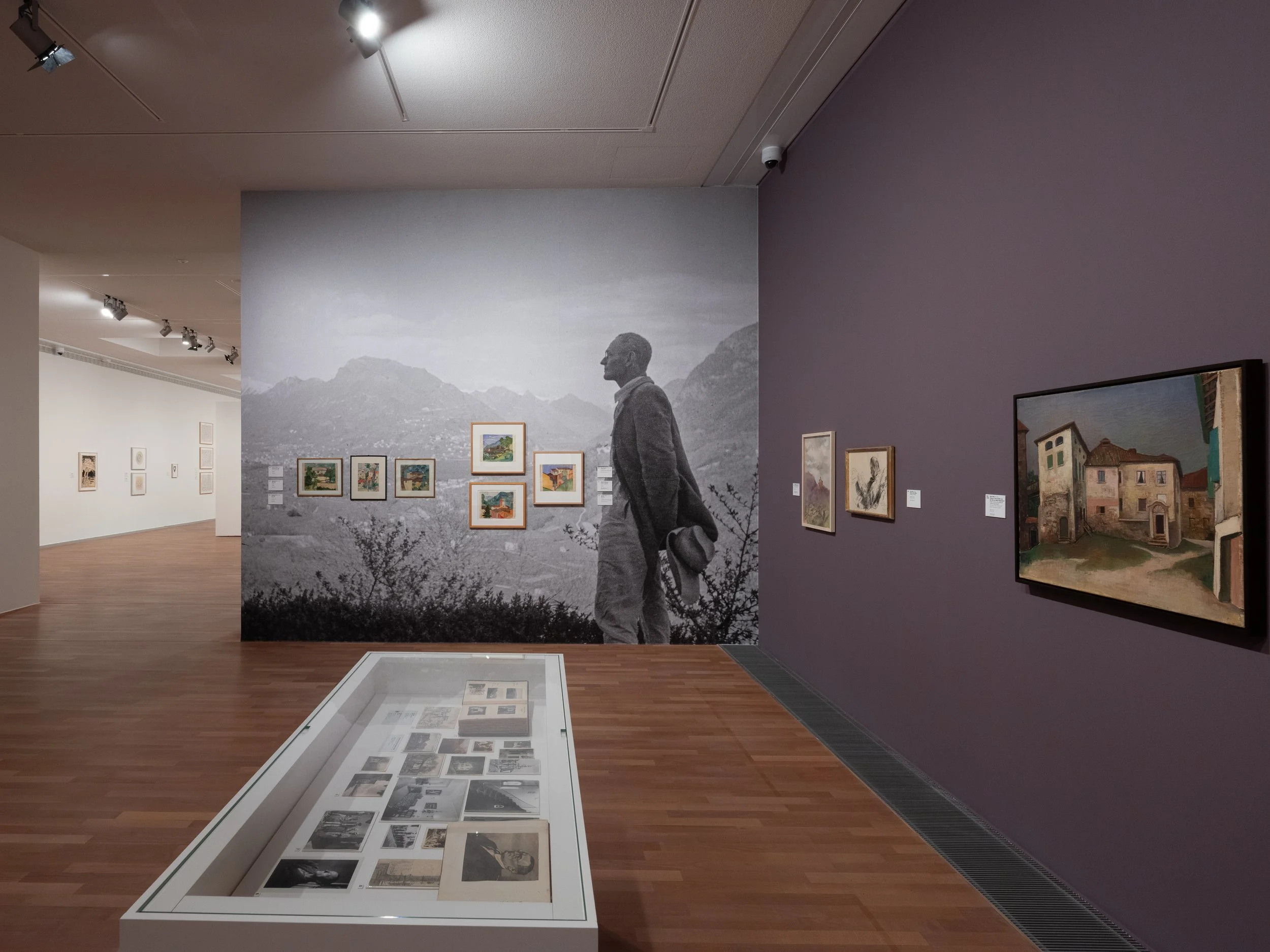
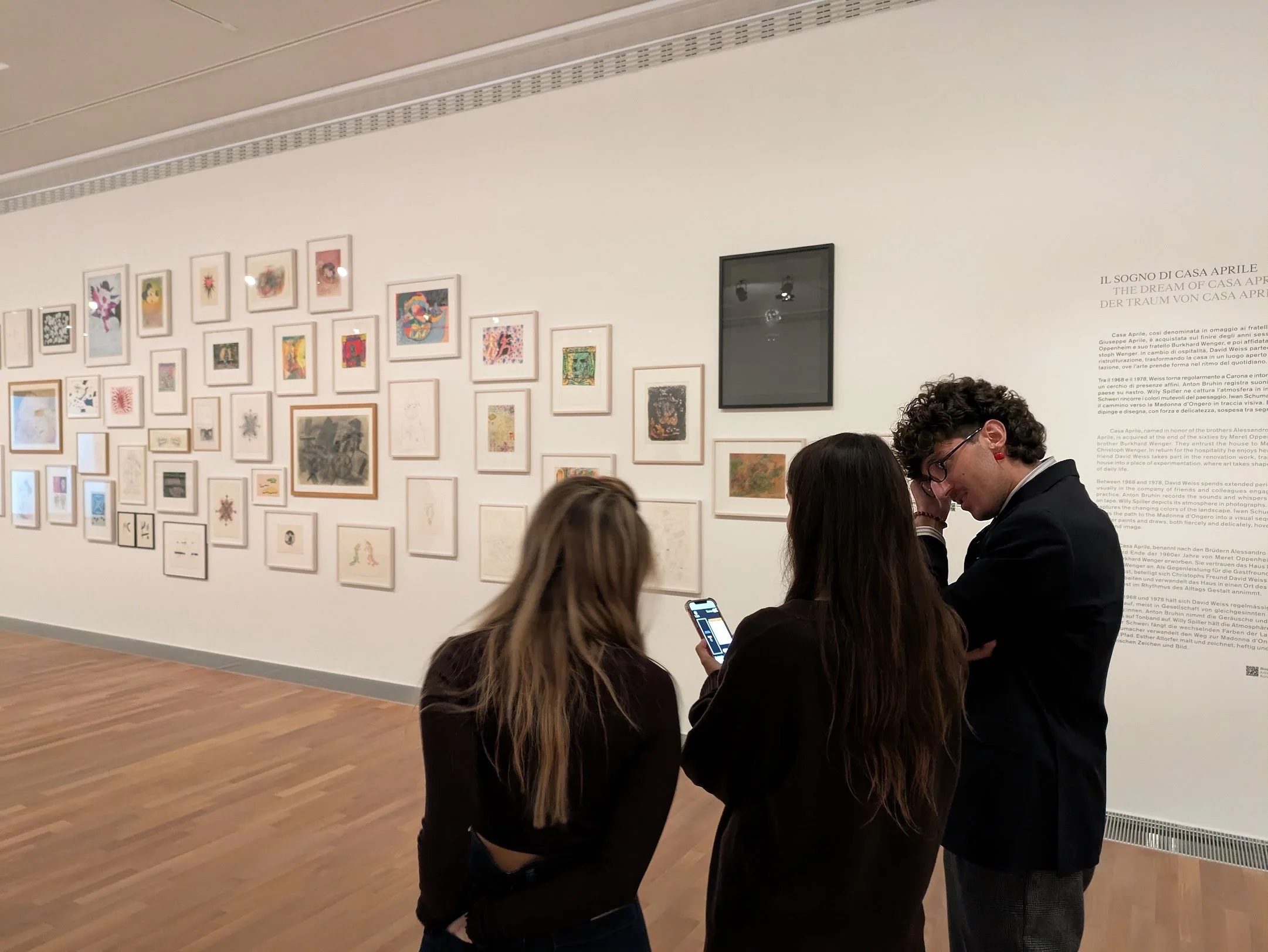
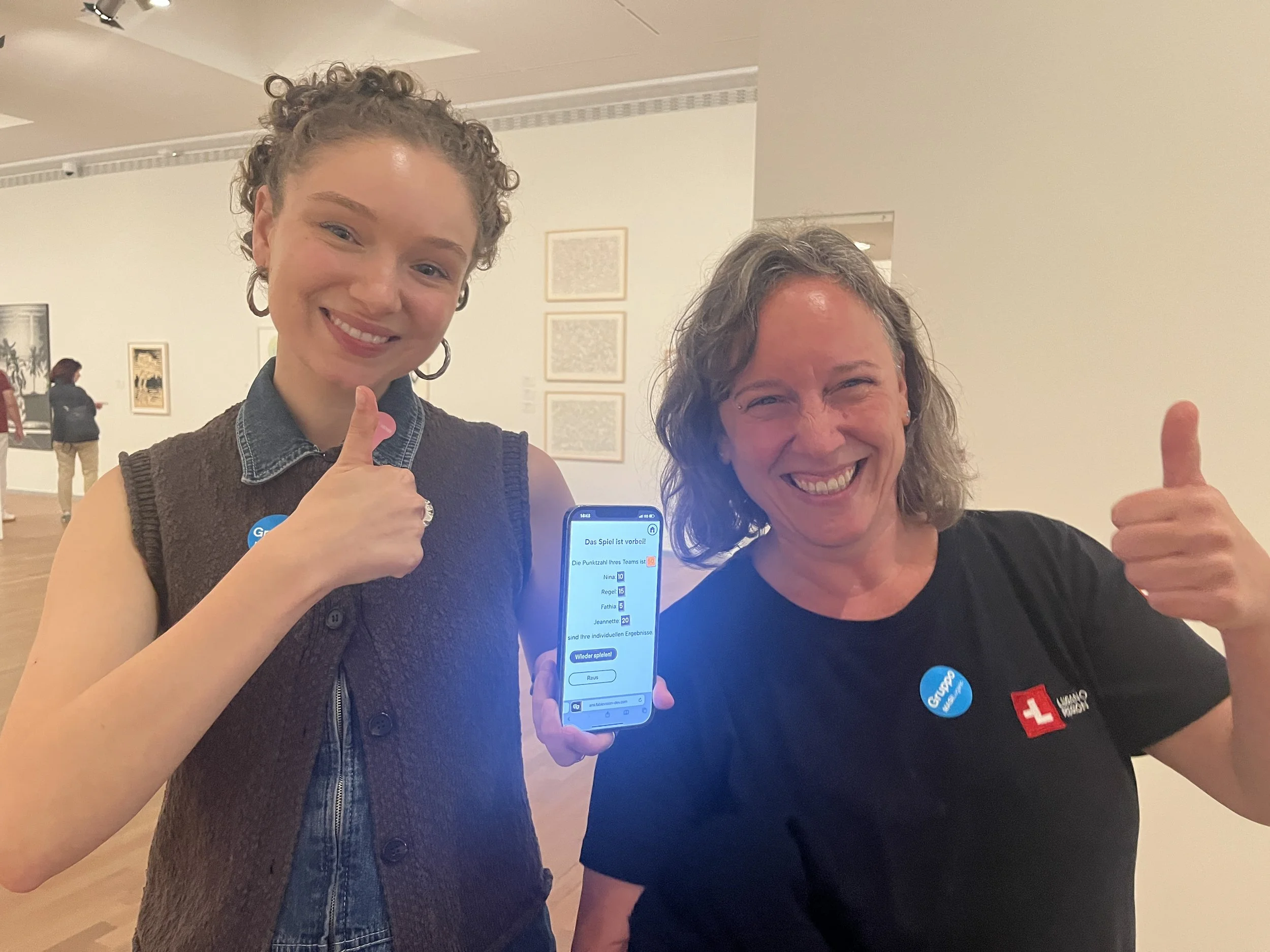
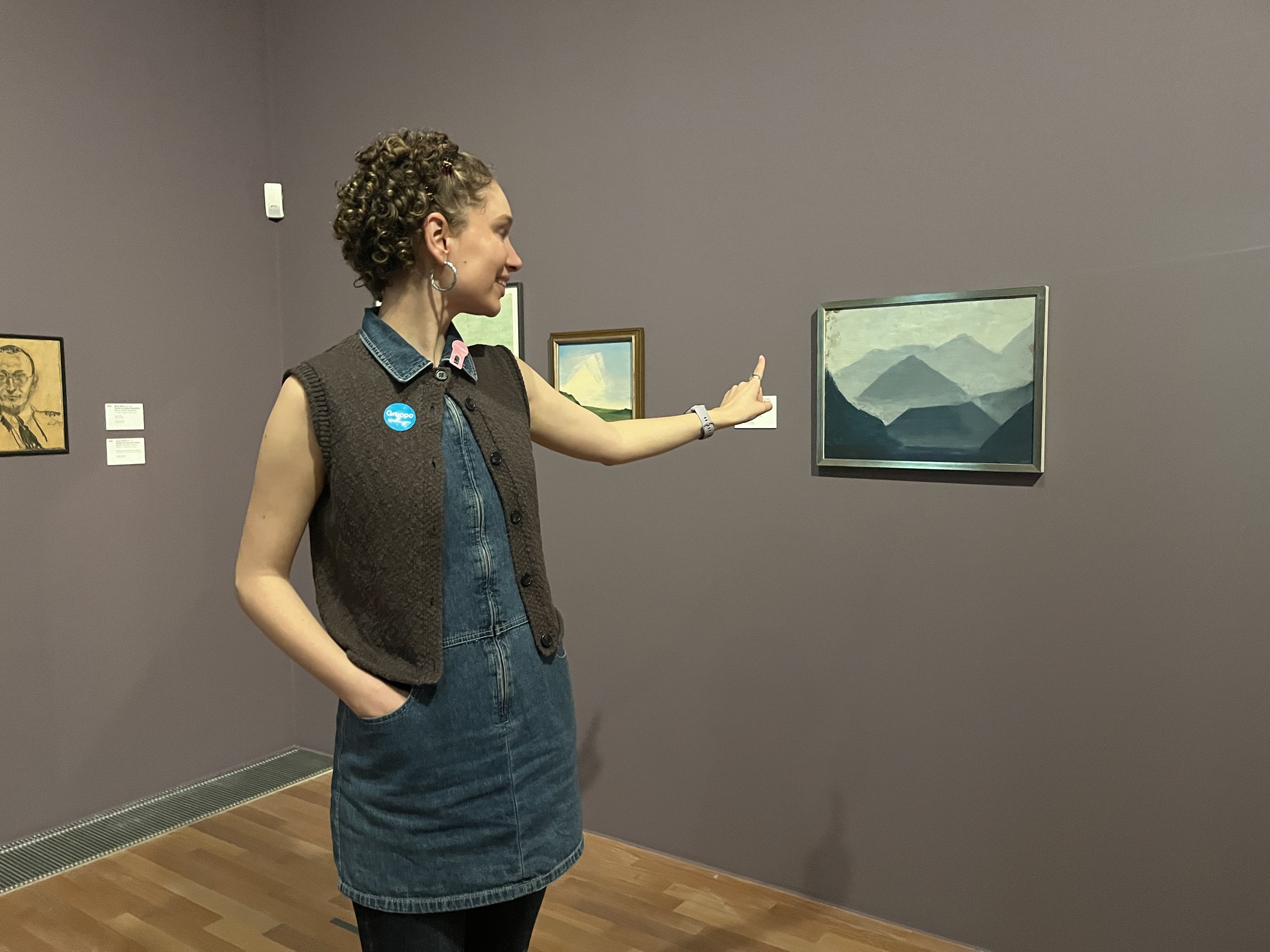
We used “ARTicolare” to help visitors explore the pieces in the exhibition "David Weiss. The Dream of Casa Aprile. Carona 1968-1978.” The curators assembled over 300 drawings, watercolours, and archive materials of all sorts that offered insights into the utopian dreams and vital energy of the 1960’s Carona Art community and Ticino at large.
The staff at the ticket counter and the guards in the galleries were instructed to propose the game to exhibition visitors, and handed out a small instruction leaflet.
What was changed from the original?
Italian language
Custom pieces
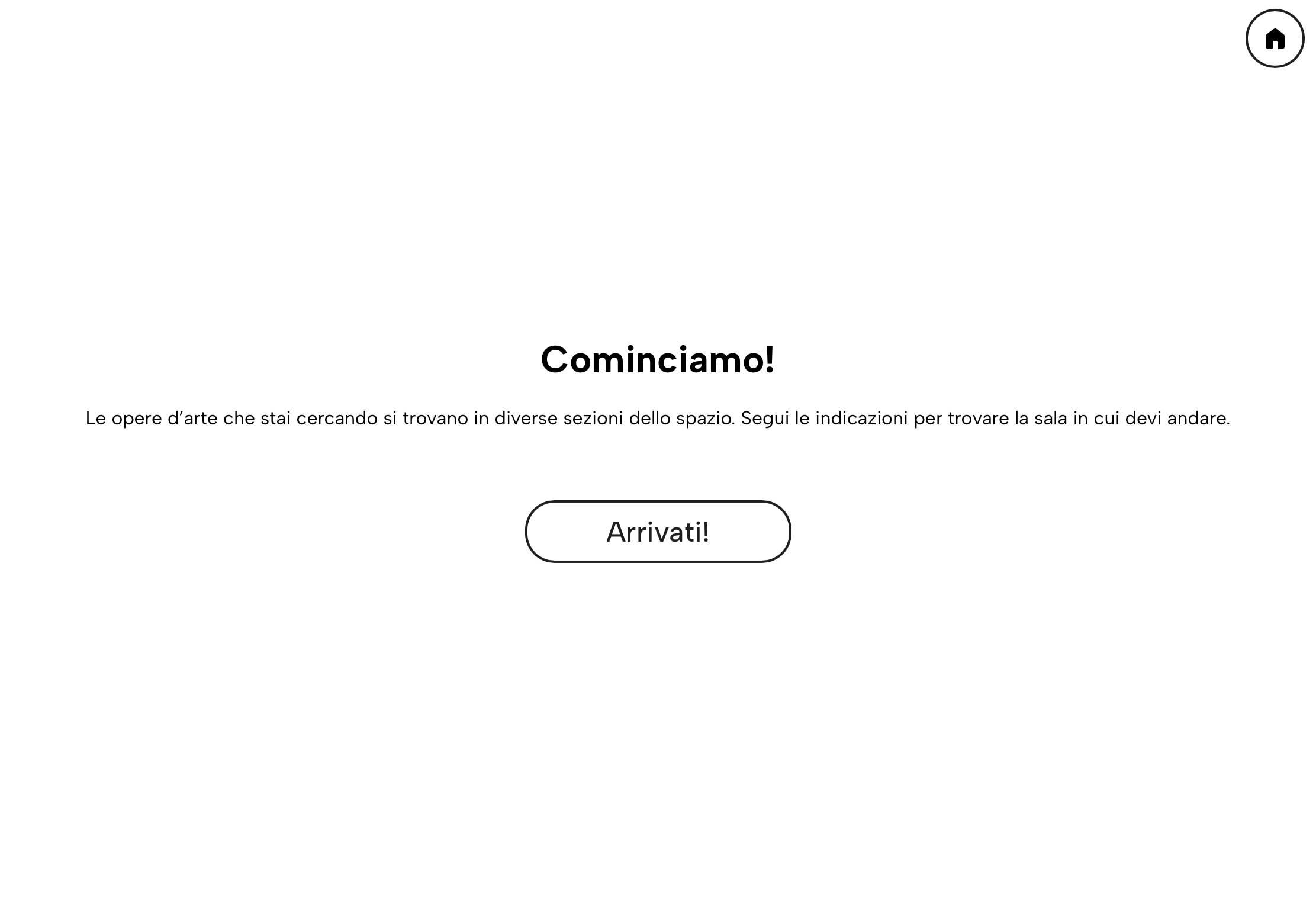
Game spans multiple galleries
Allows time for transition as players move between spaces in the gallery
What did you like?
New, experiential way of engaging with artworks
Collaborative exploration of an exhibition
Multi-language functionality allowed to include a broader public
Appealed to inter-generational groups of visitors
We organized a PlayTest and invited peers from other museums to get feedback. This was a great way to make new professional connections and exchange also on general topics regarding visitor engagement.
What would you change?
A version where artworks can be added or removed by the team during the planning process without having to go through a studio.
Clearer instructions in the game
The display of the mobile phones turned out to be too small. It worked better when the phone is turned horizontally but this was not clear to the players.