Grab It
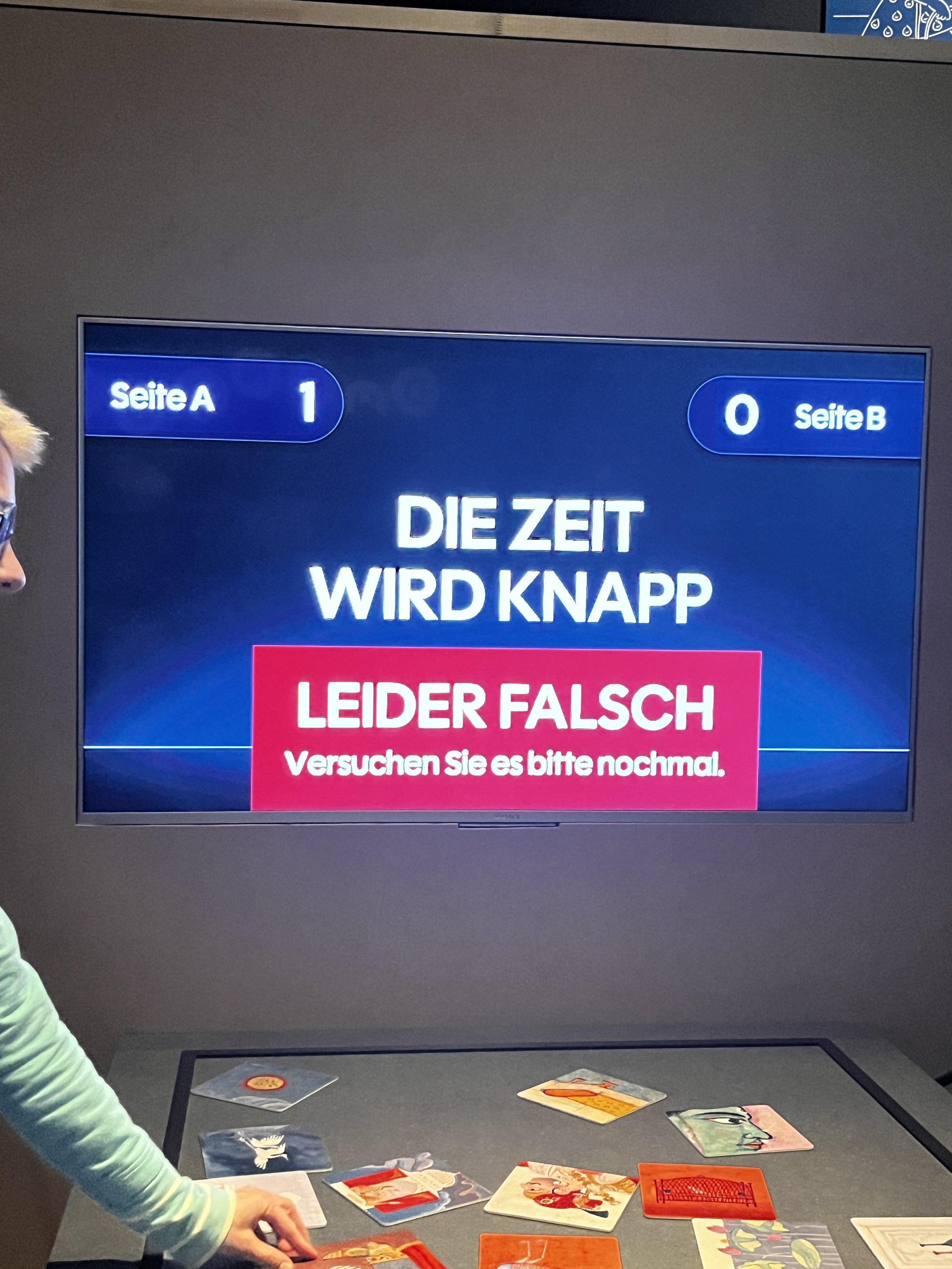
Brought to you by: Museum Rietberg
Game type: In-gallery, multi-Player game
Duration: 6-12 minutes
Used by: Museum Rietberg, SFMoMA, University of Minnesota, Peggy Notebaert Nature Museum
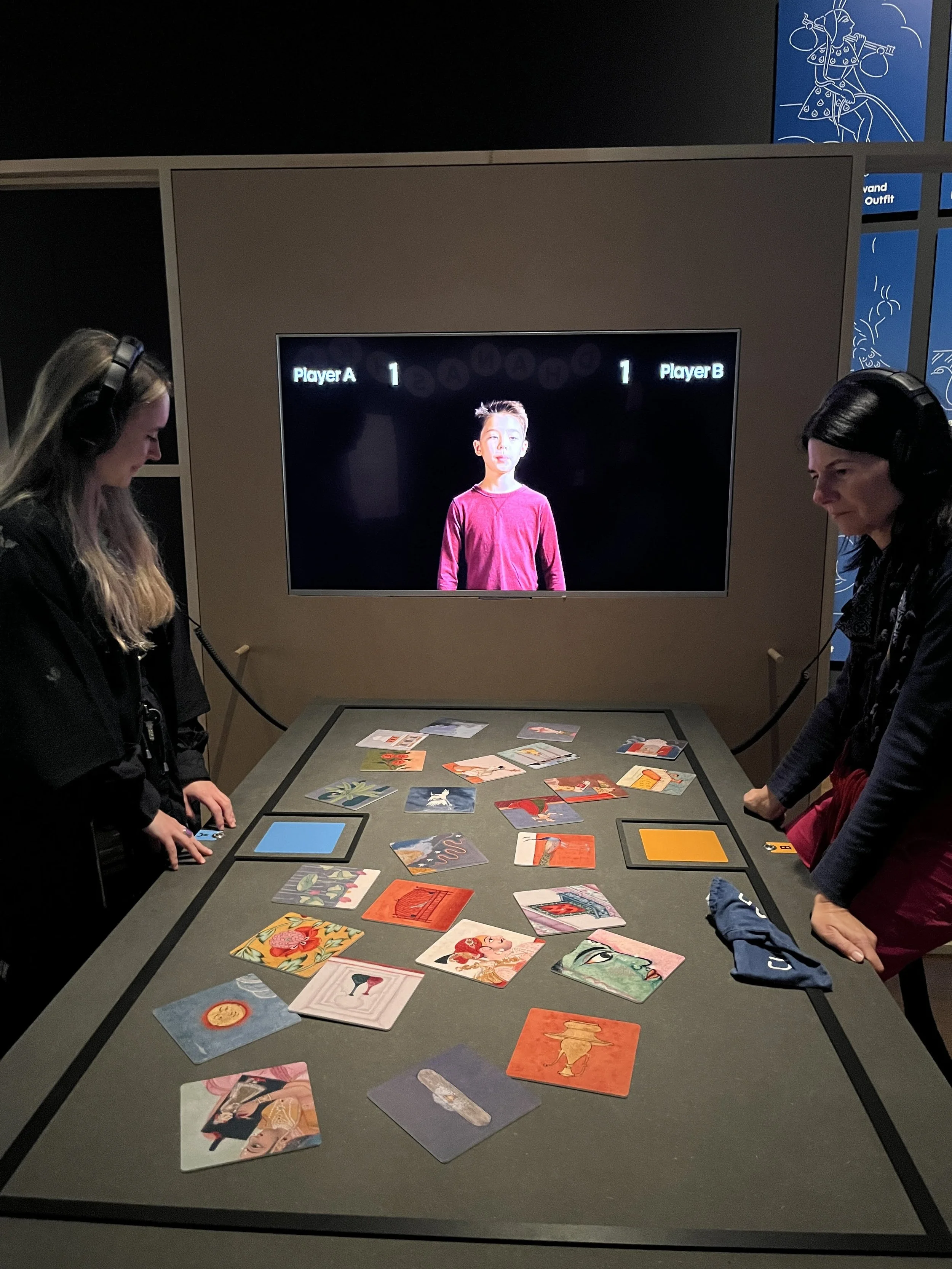
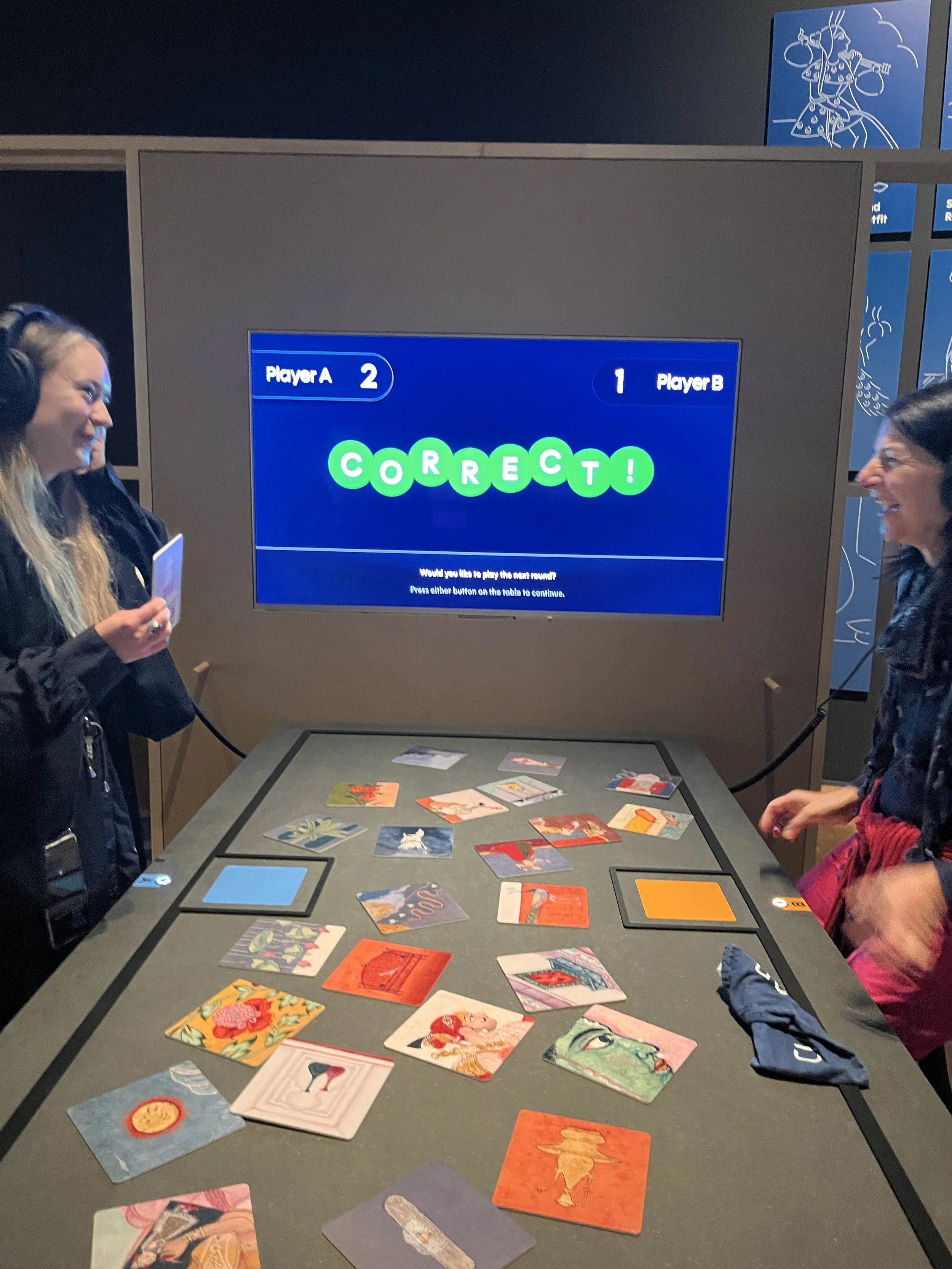
Be the first to tap the physical item that matches the on-screen clue. This physical-digital game has been the most widely used in our AMI suite and has been adapted to fit quiz questions about science, closer-looking questions about art materials, kids describing art and more. There's a lot to do with grab it!
-
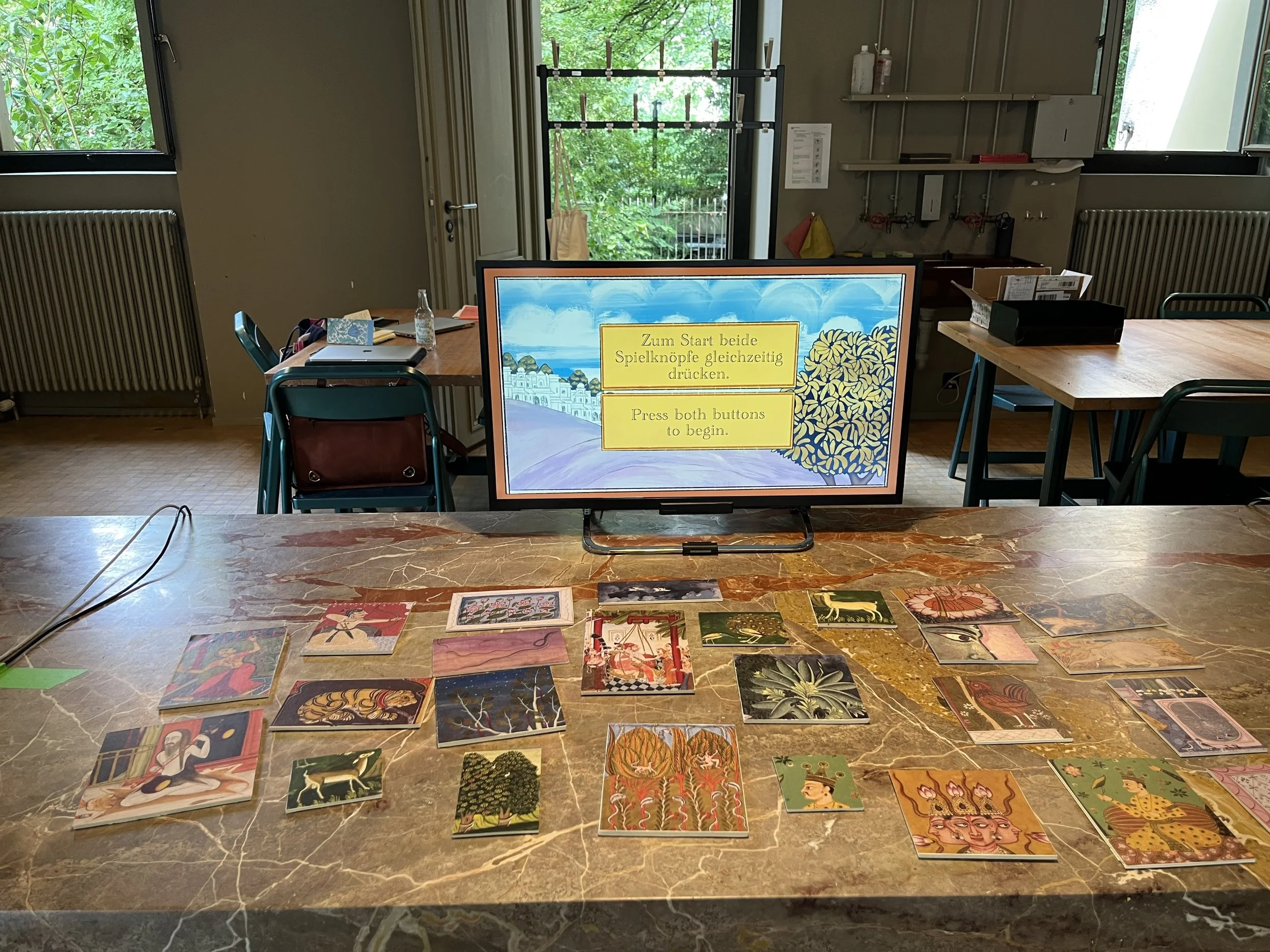
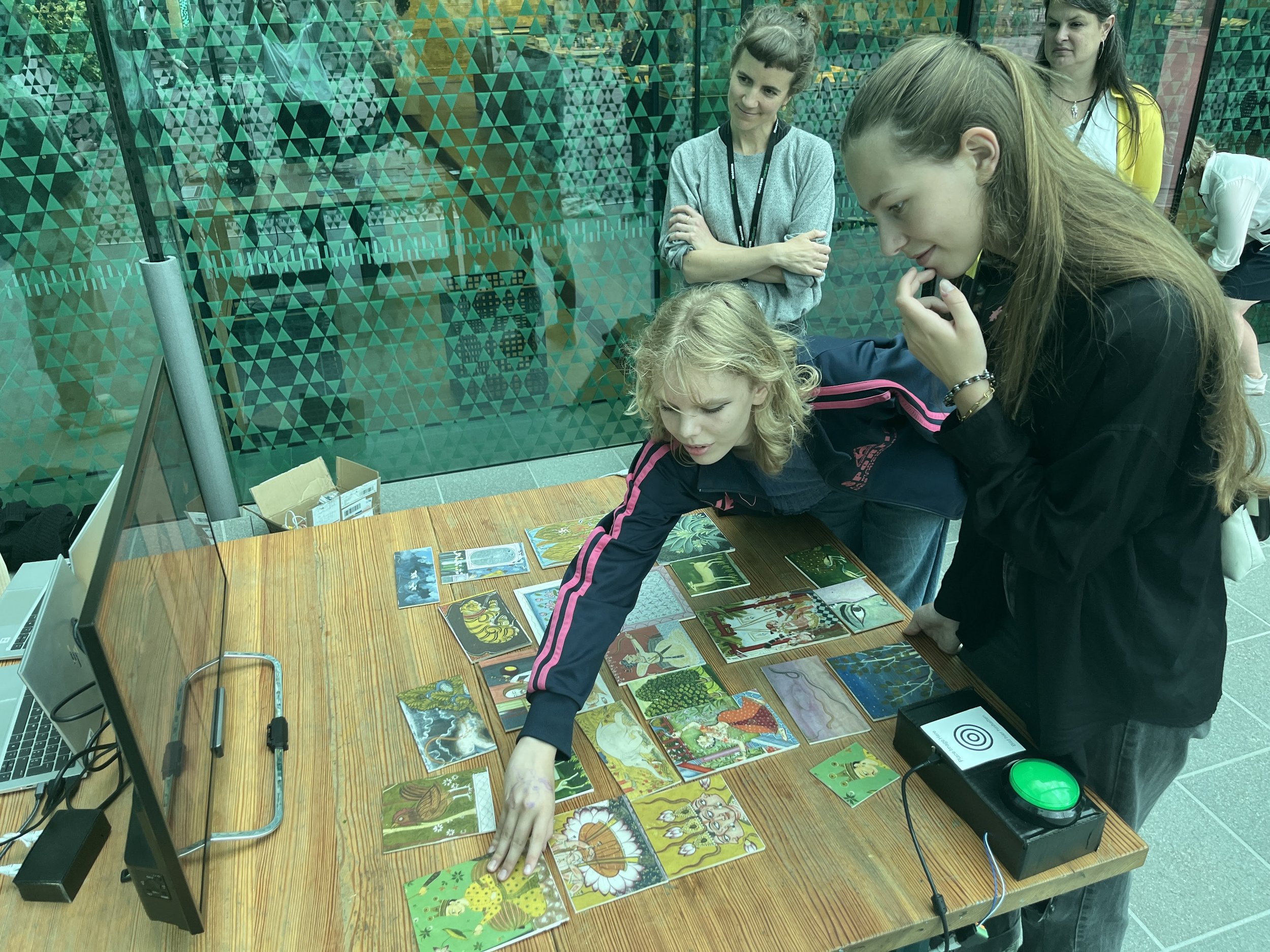
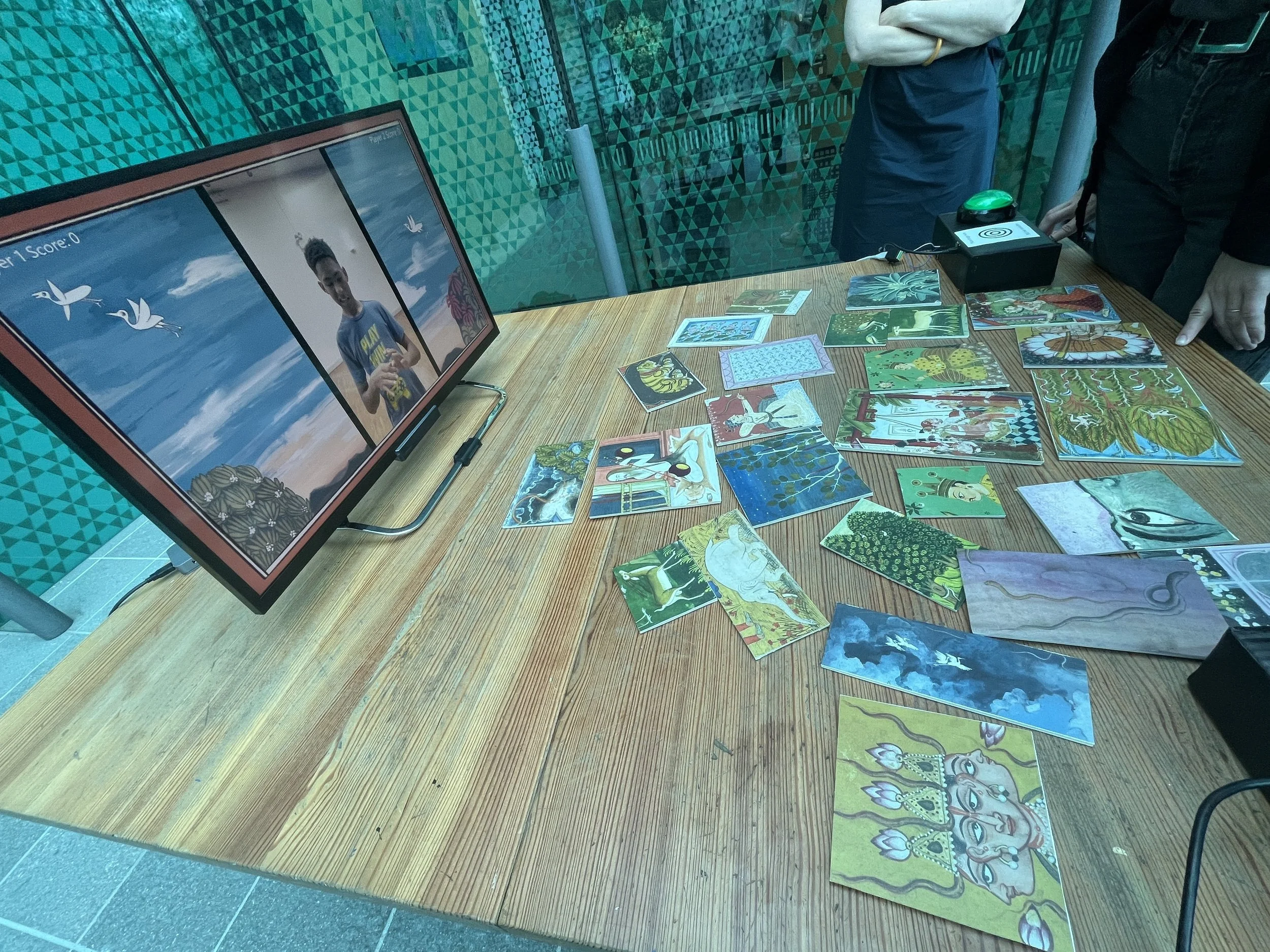
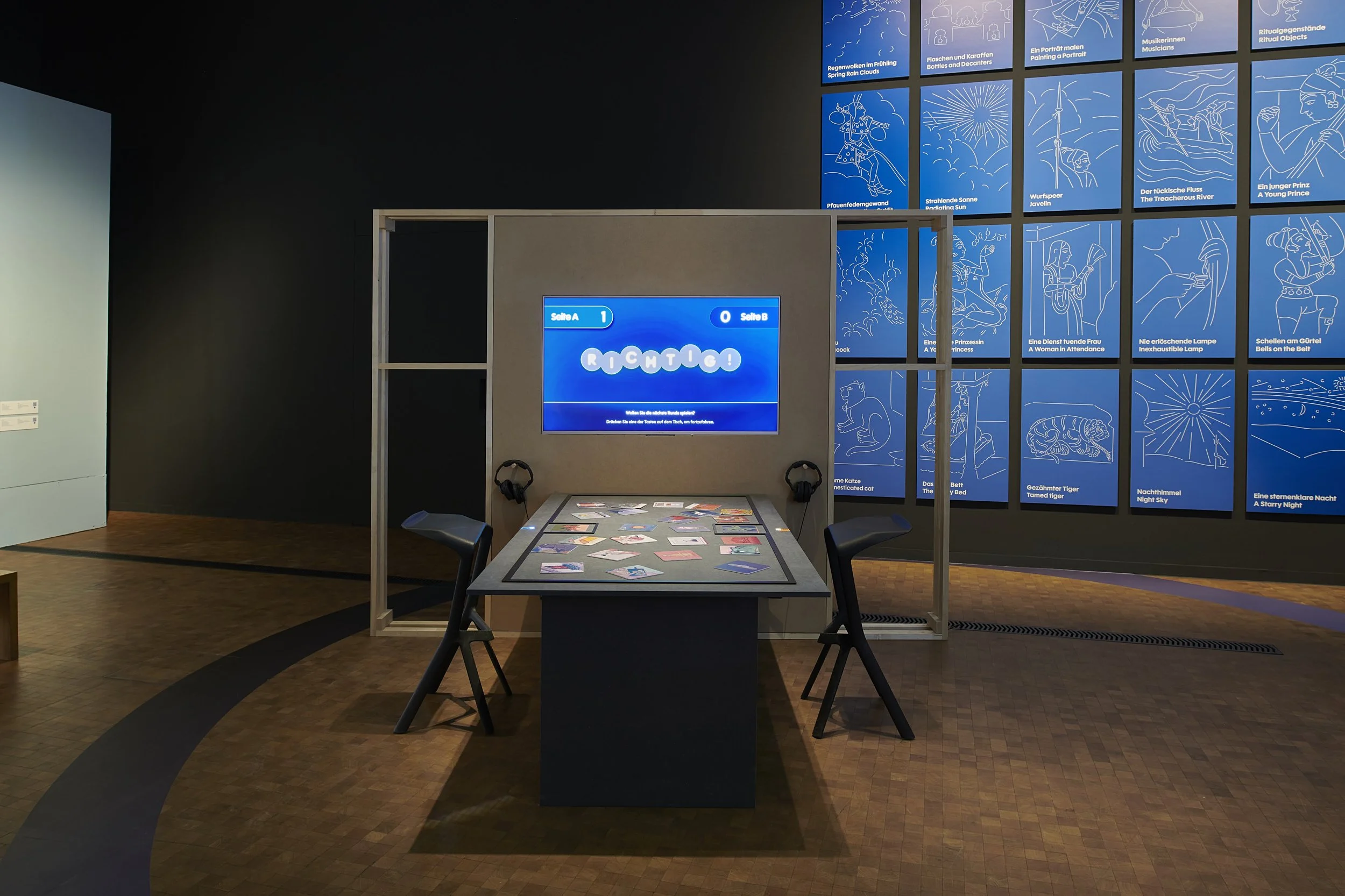
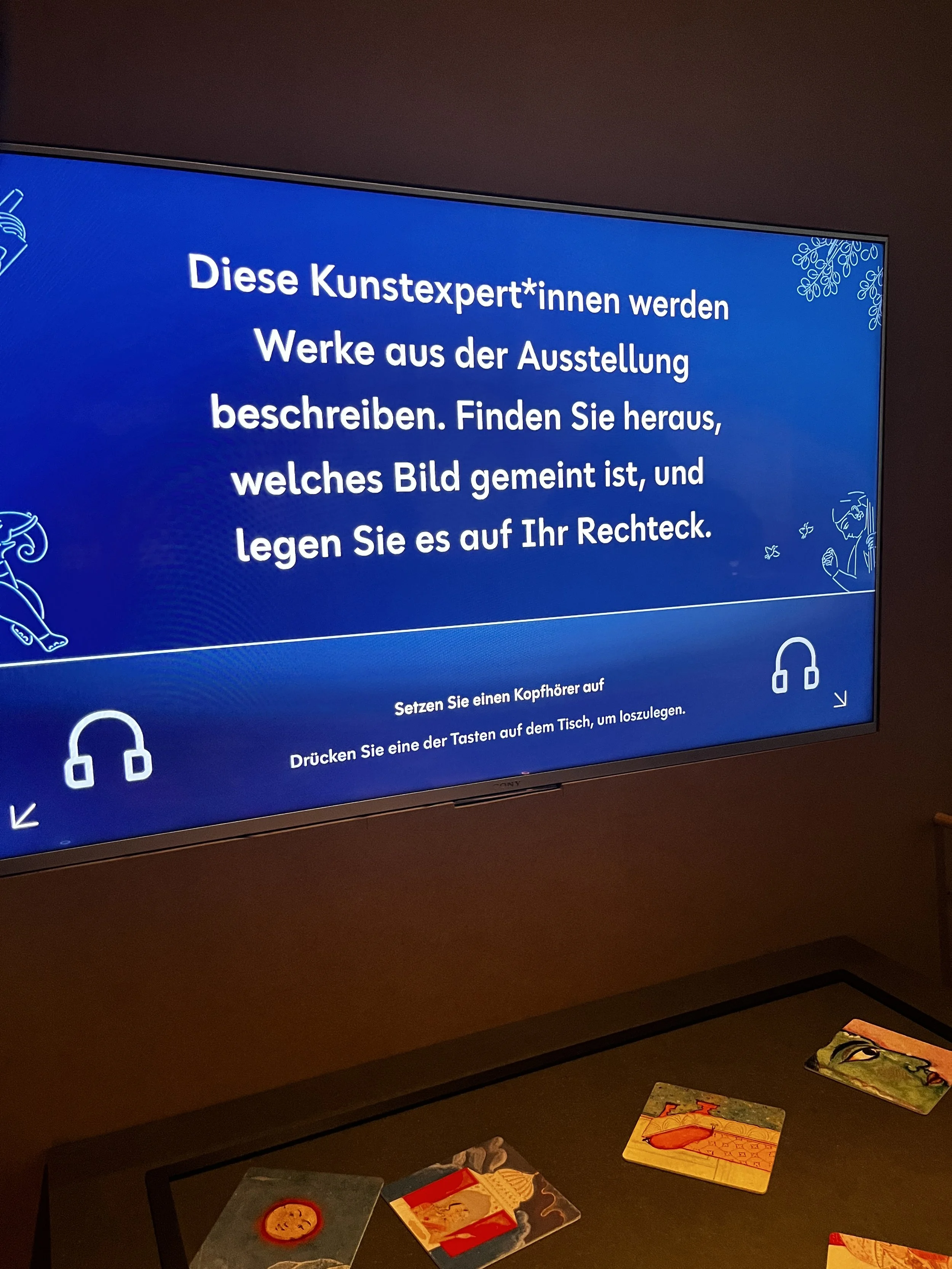
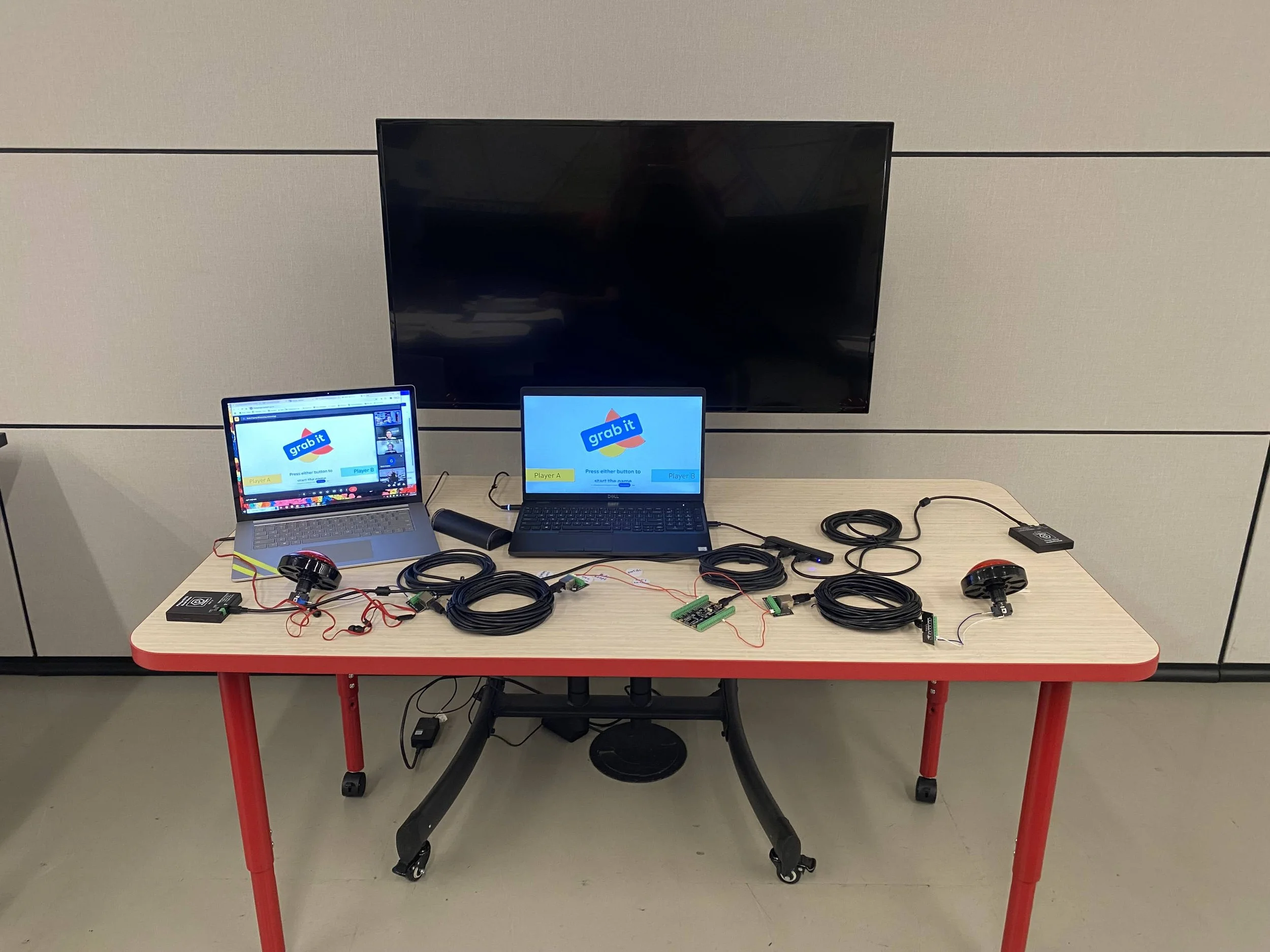
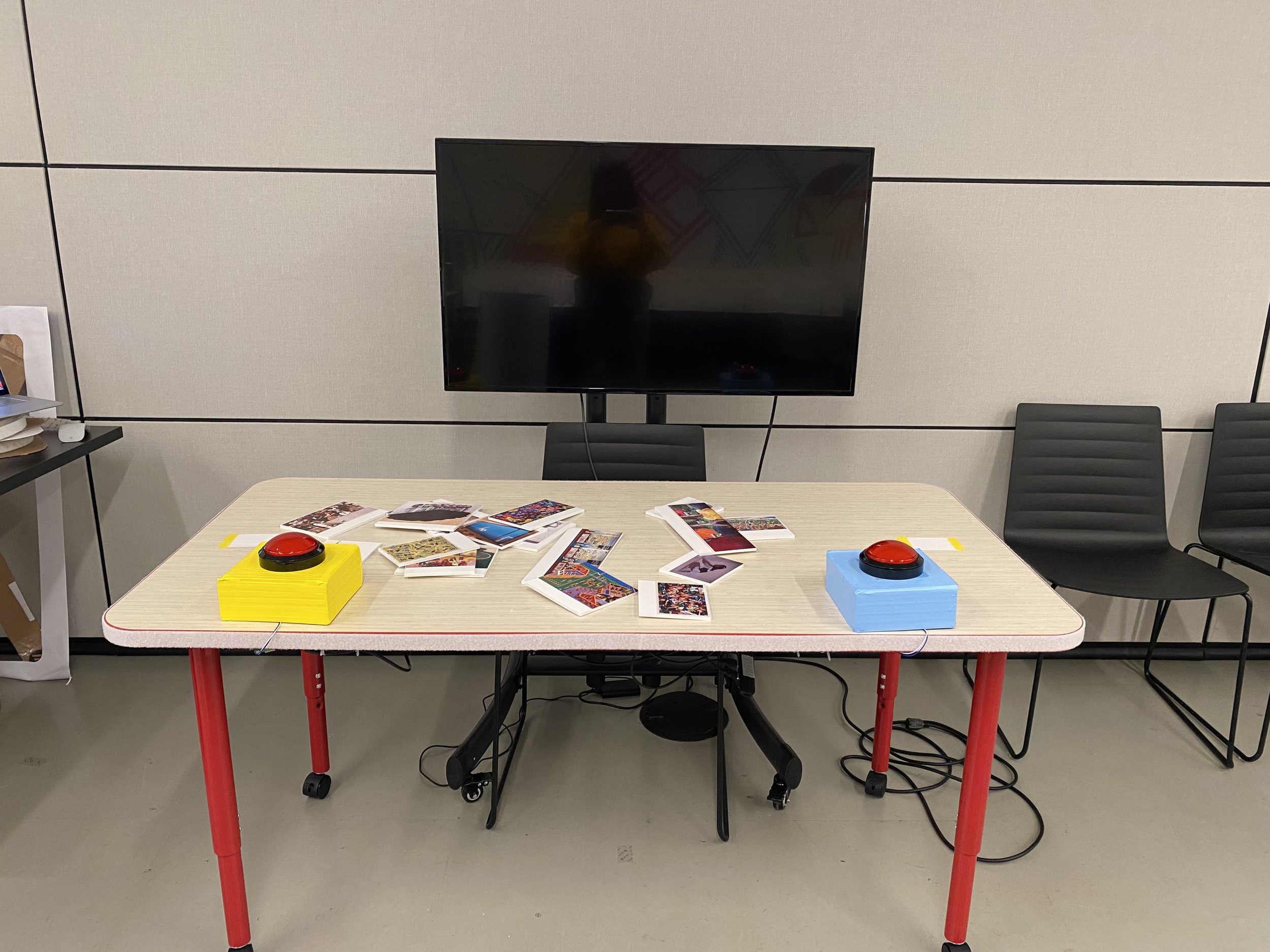
Grab It is an in-gallery game that has physical and digital elements. That means there’s a screen, two RFID readers and objects with RFID tags. Decide how you’d like the digital and physical items to intersect and ask visitors to match them. Visitors see a digital clue, grab the matching item and race to be the first to tap it to their RFID reader for points.
-
screen
2 RFID readers
computer processor
objects
table
RFID tags
-
Developed for art museums but has been used in history and science centers
Multigenerational
At least two players
Active, social participants
-
We’ve created an easy-to-use Install Wizard so that non-technical museum professionals can also build this in any sized museum. Reach out to us at friends@ami.com to discuss how we can help set you up with a “Grab It” plug-and-play kit, including hardware. For the more technically-minded, find the free Grab It code on Gitlab to make any of your own changes.
Variations
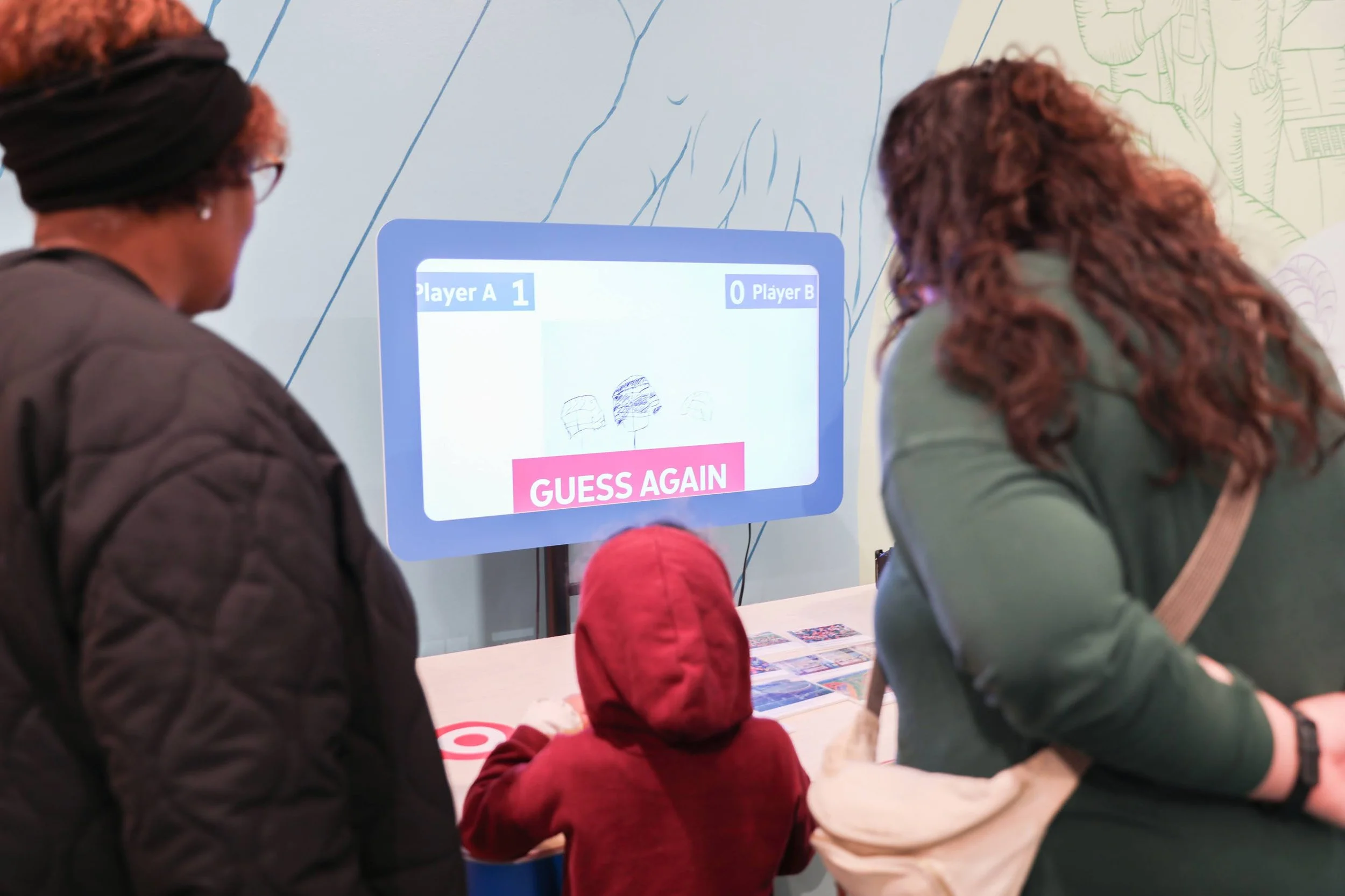
SFMoMA
How did you use the game?
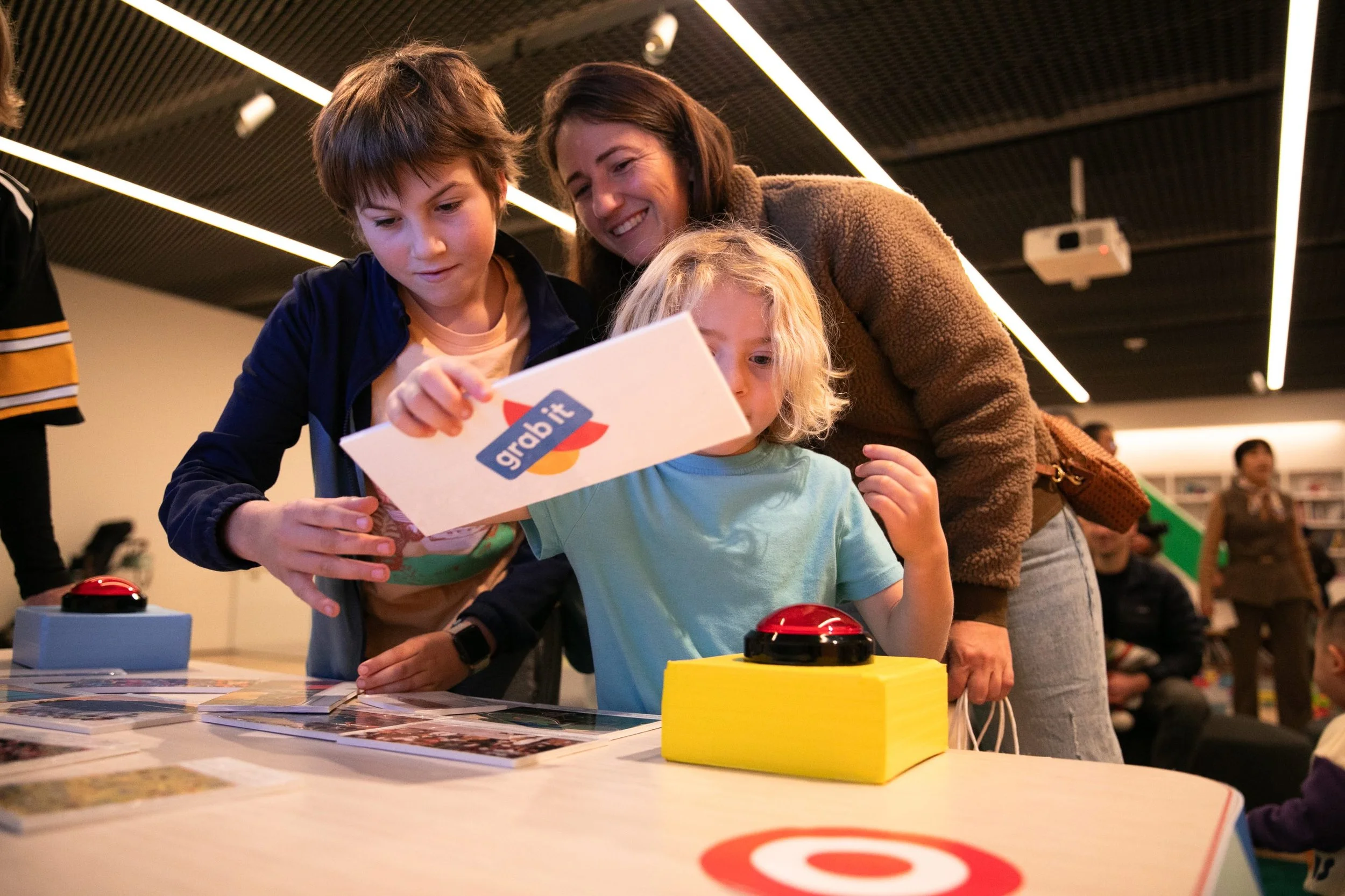
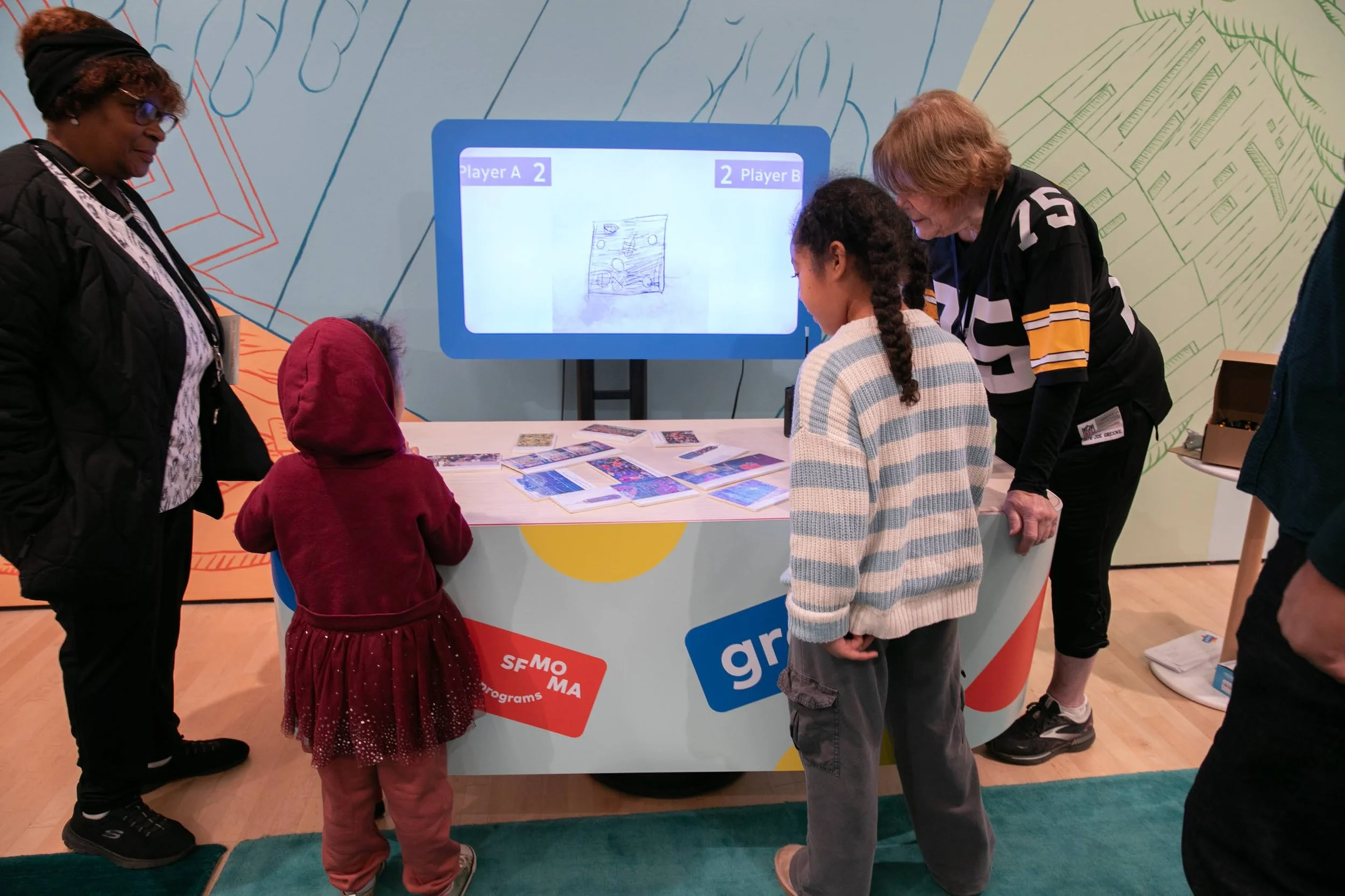
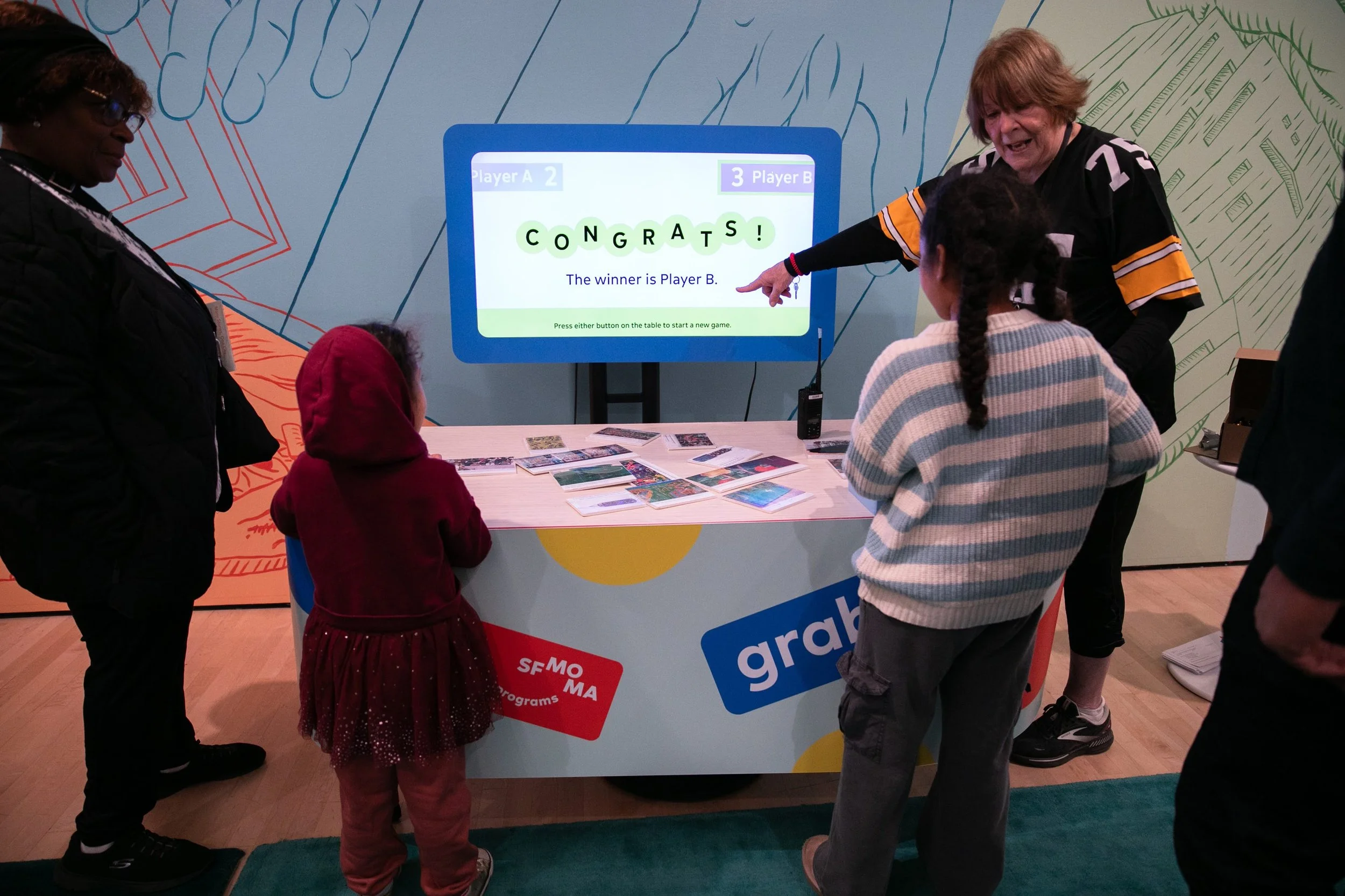
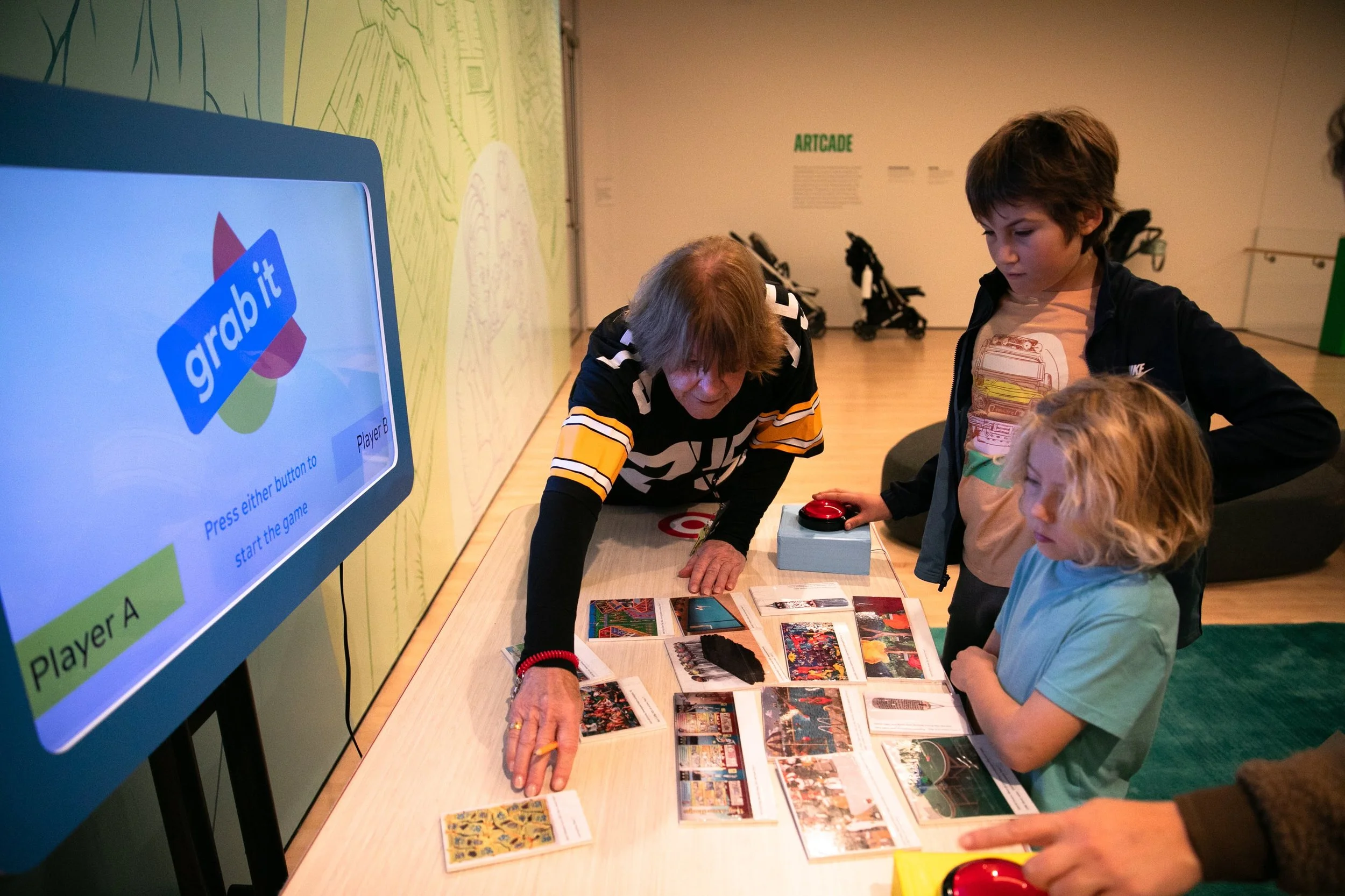
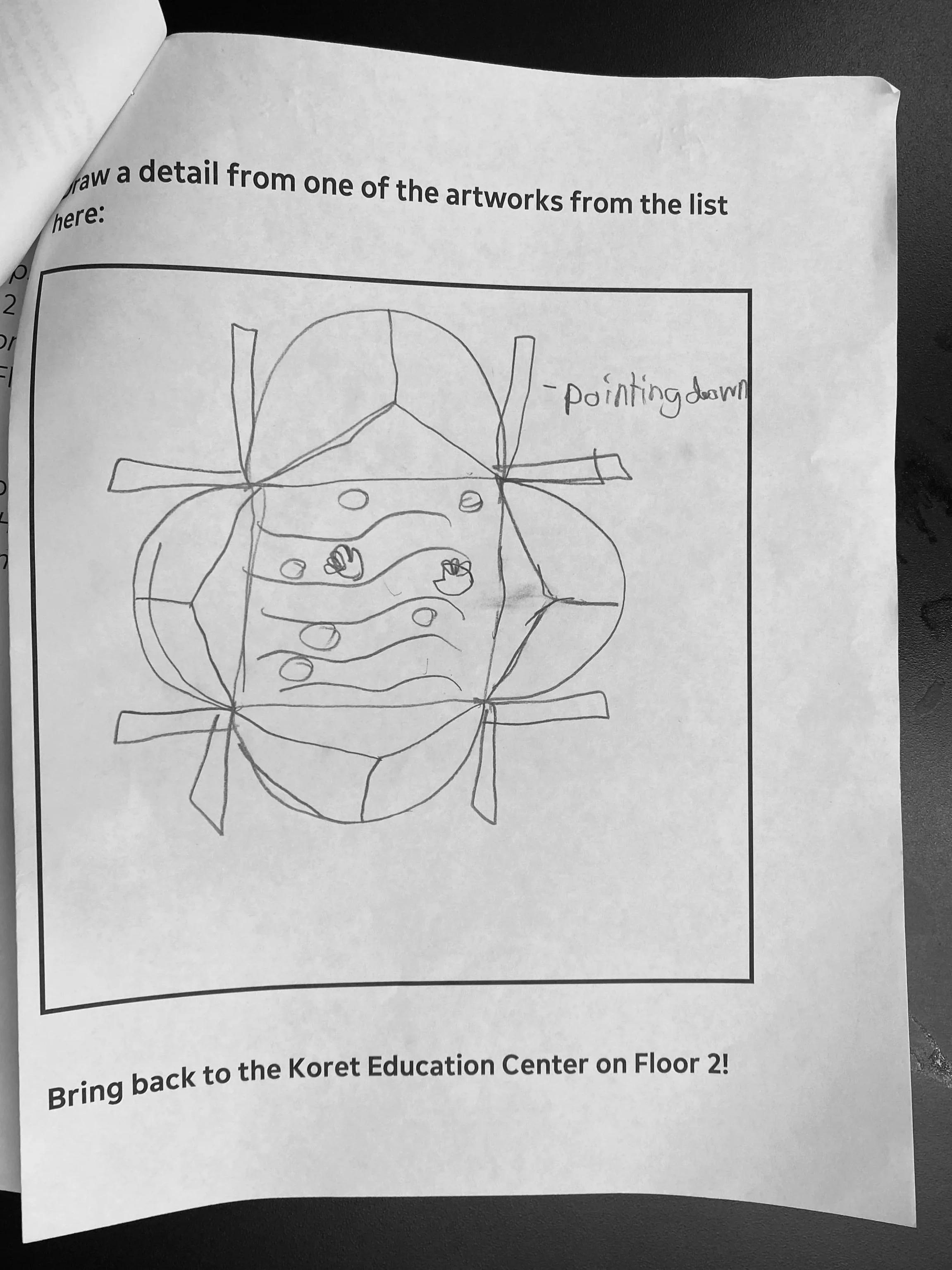
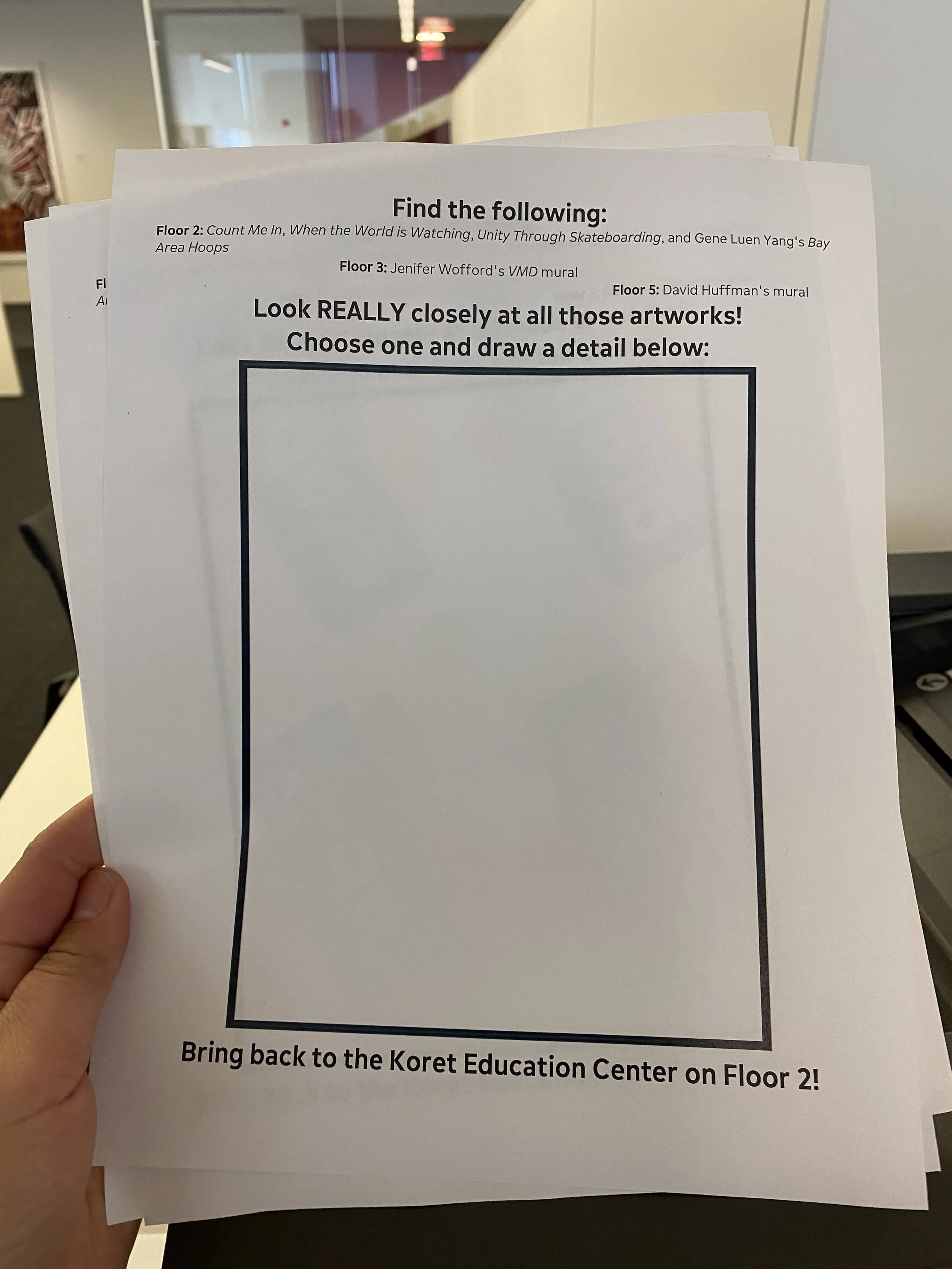
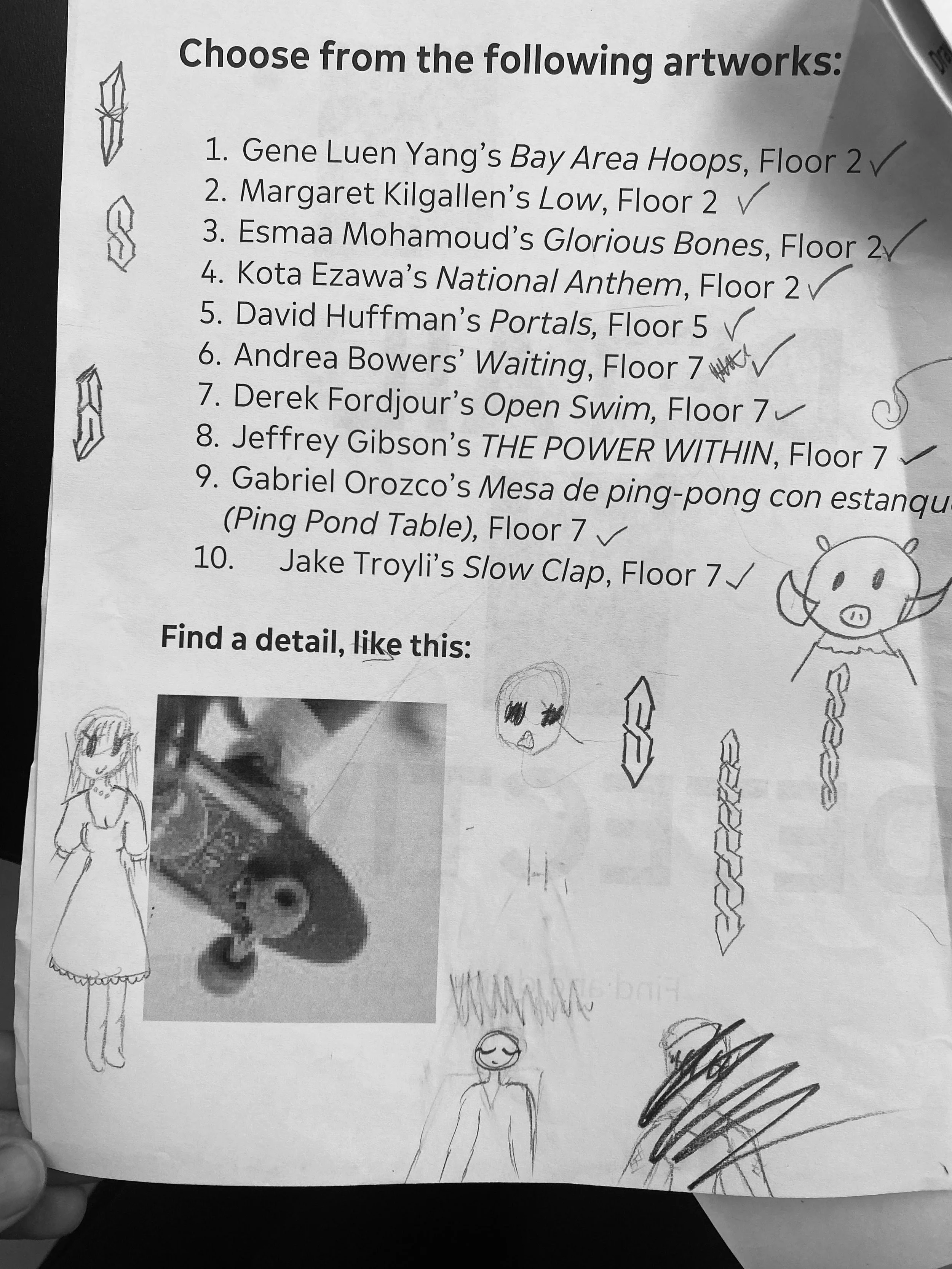
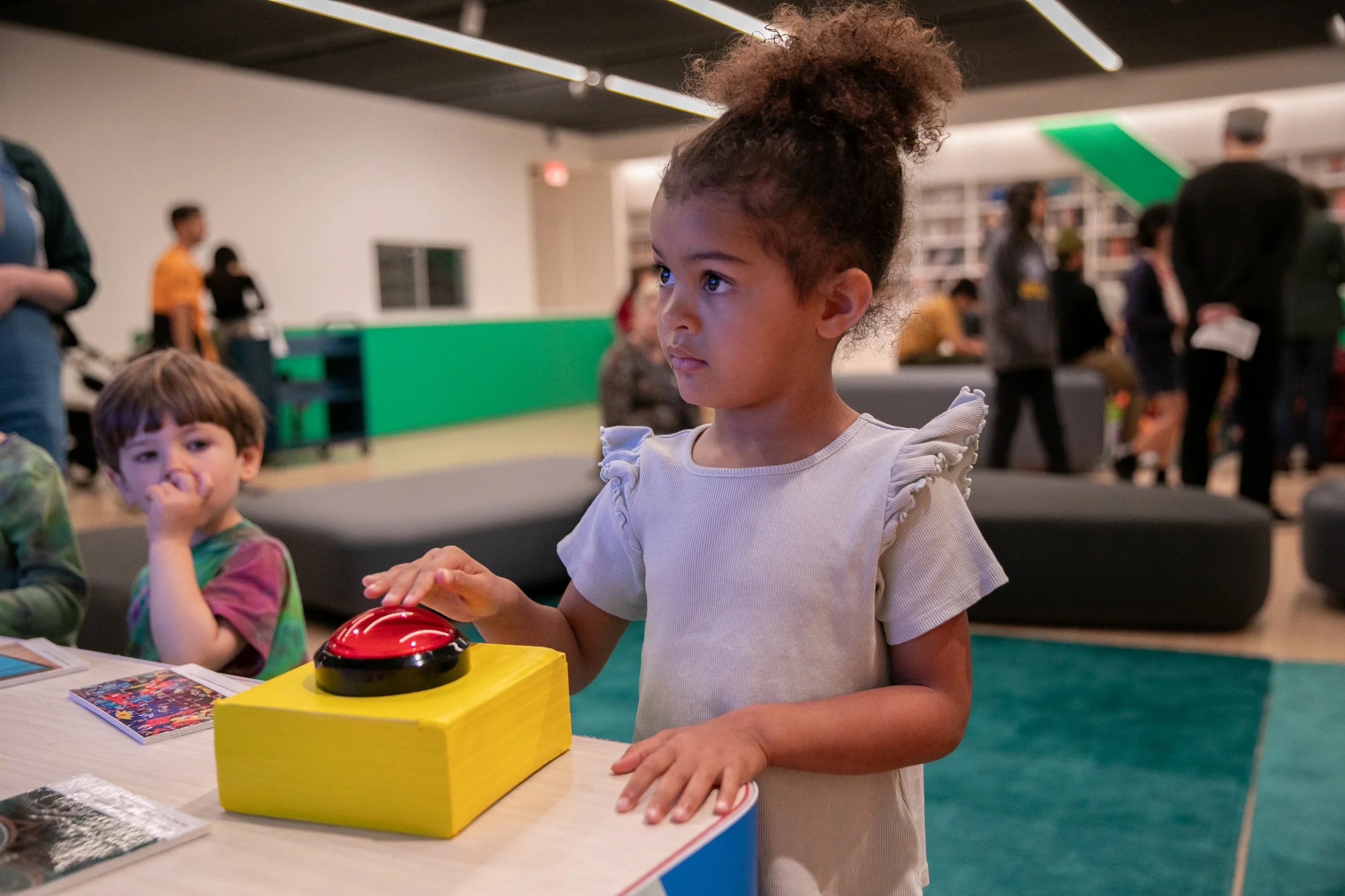
SFMOMA Family Programs used Grab It during Free Family Days and Second Sunday programs from December 2024 until August 2025. The game was set up during existing program days so that staff could have oversight and fix any issues as they came up. The game was themed after our Get in the Game: Sports, Art, Culture exhibition for the first 6 months. In June 2024, we switched the content out to provide a hands-on complement to the presentation in or education center by Leah Rosenberg all about the art making process called The Things We Use to Make the Things We Must.
What was changed from the original?
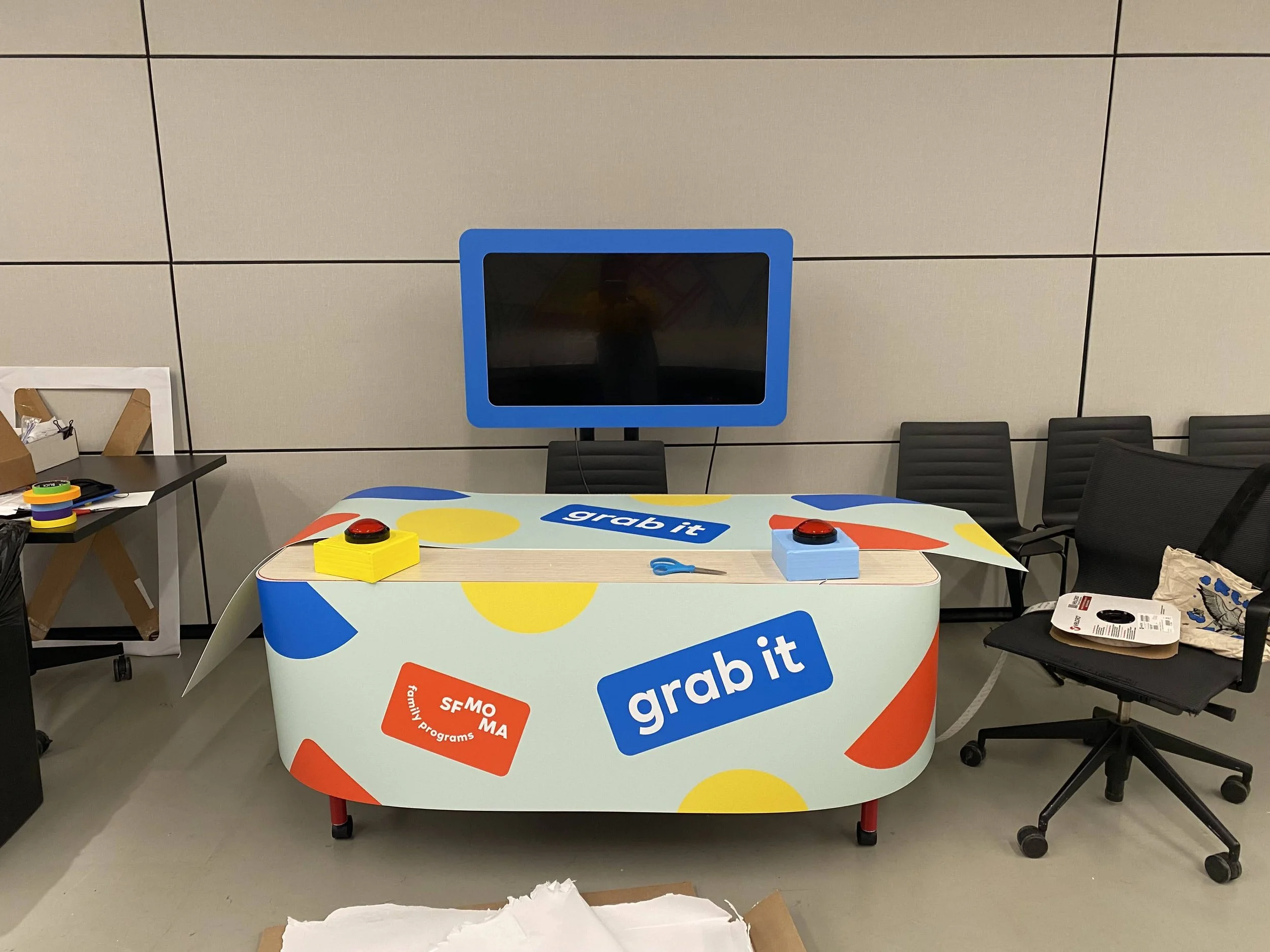
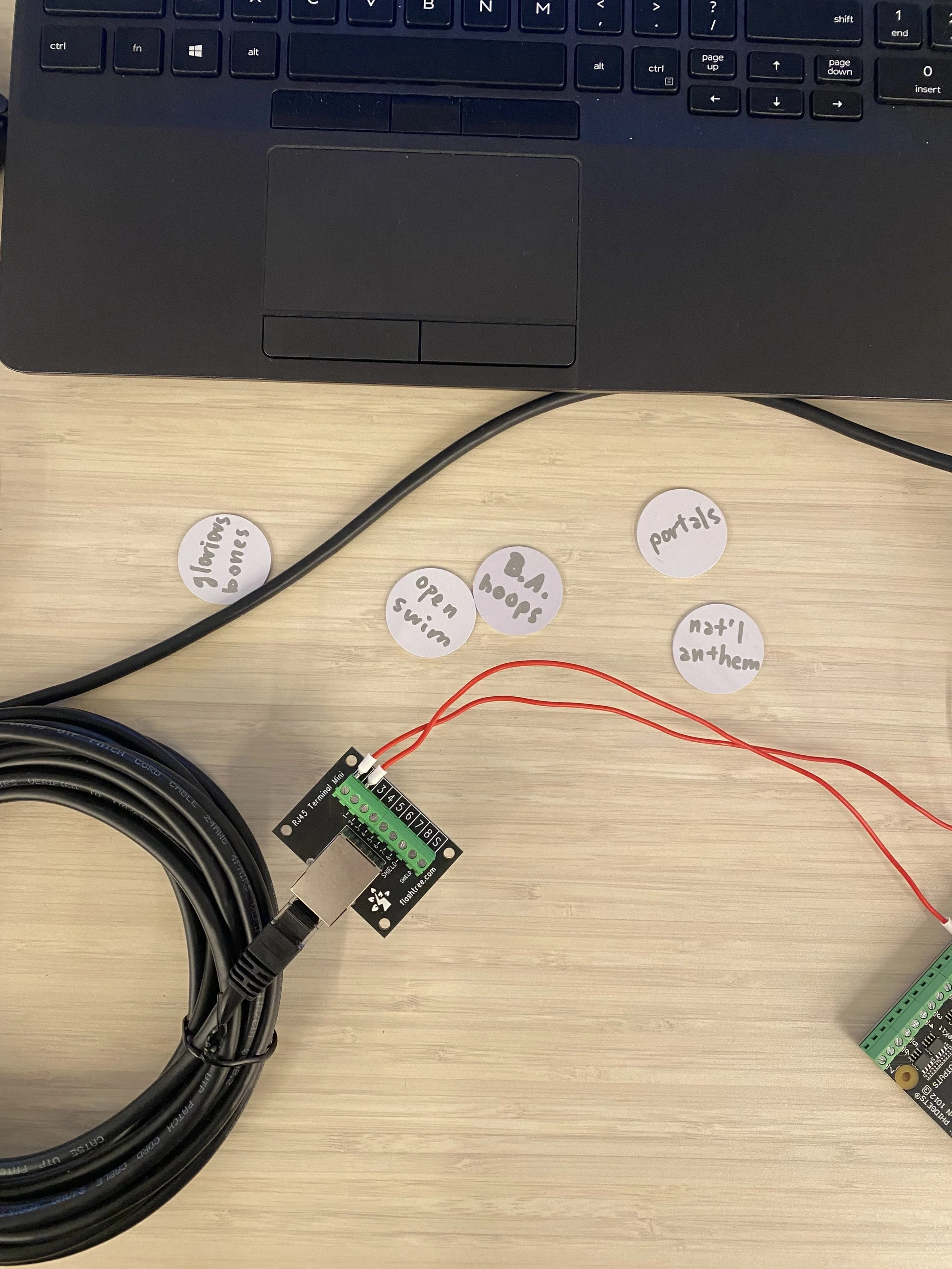
The basic game function, the physical-digital interface using a screen as well as physical game pieces, remained the same as the original, but that's where the similarity stopped. SFMOMA made the game more explicitly playful and childlike, using primary colors in its design and giant, red buttons. The table for the game pieces was also turned parallel to the screen instead of perpendicular, allowing opponent players to stand side-by-side as they play instead of face-to-face. In June, we took away the giant red buttons and replaced them with "Go" cards, simplifying the tech and changing the mechanics of play from the original.
What did you like?
I love the simplicity of Grab It. It is essentially a matching game, and because that is a fairly universal concept, there are endless ways to play with what you are matching. The interaction of the physical to the digital interface is also incredibly fun and satisfying, especially the sound effects when getting answers correct. Kids delight in this, but so do adults!
What would you change?
I am currently working on changing the way the RFID readers interact with the advancement of the game on the screen. It's not totally intuitive and I've watched kids get frustrated. Some of the screens also get stuck. I would also be curious to push the game to become more open-ended, or maybe build on itself, so that players can create something instead of merely matching clues. I was recently inspired by the documentary "Tetris Crasher" about a 13-year-old kid who is the first to ever crash Tetris (the OG Nintendo version), and the ways the game starts to glitch and change as he gets closer felt very close to the creative process. Perhaps someday we can push Grab It in this way!
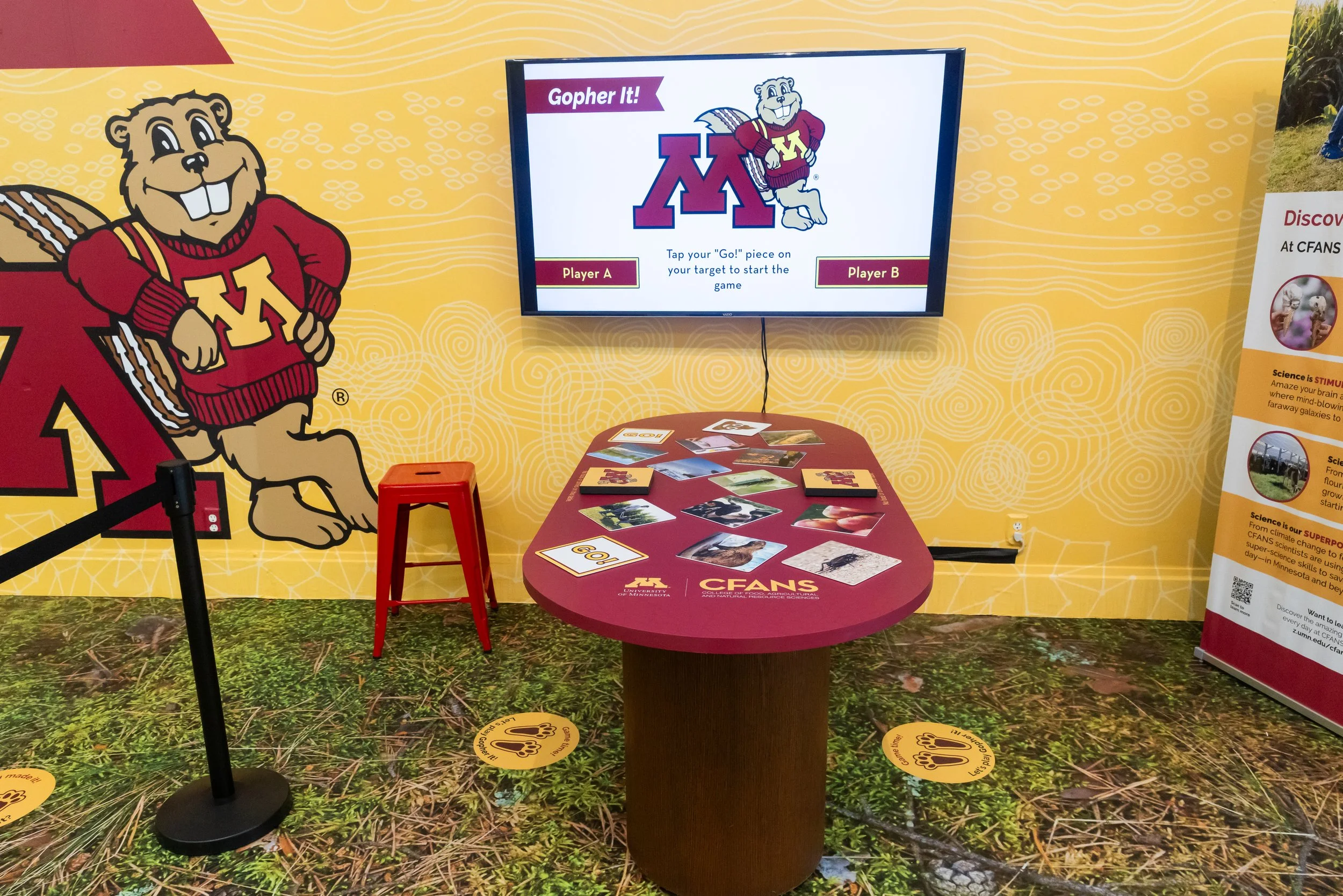
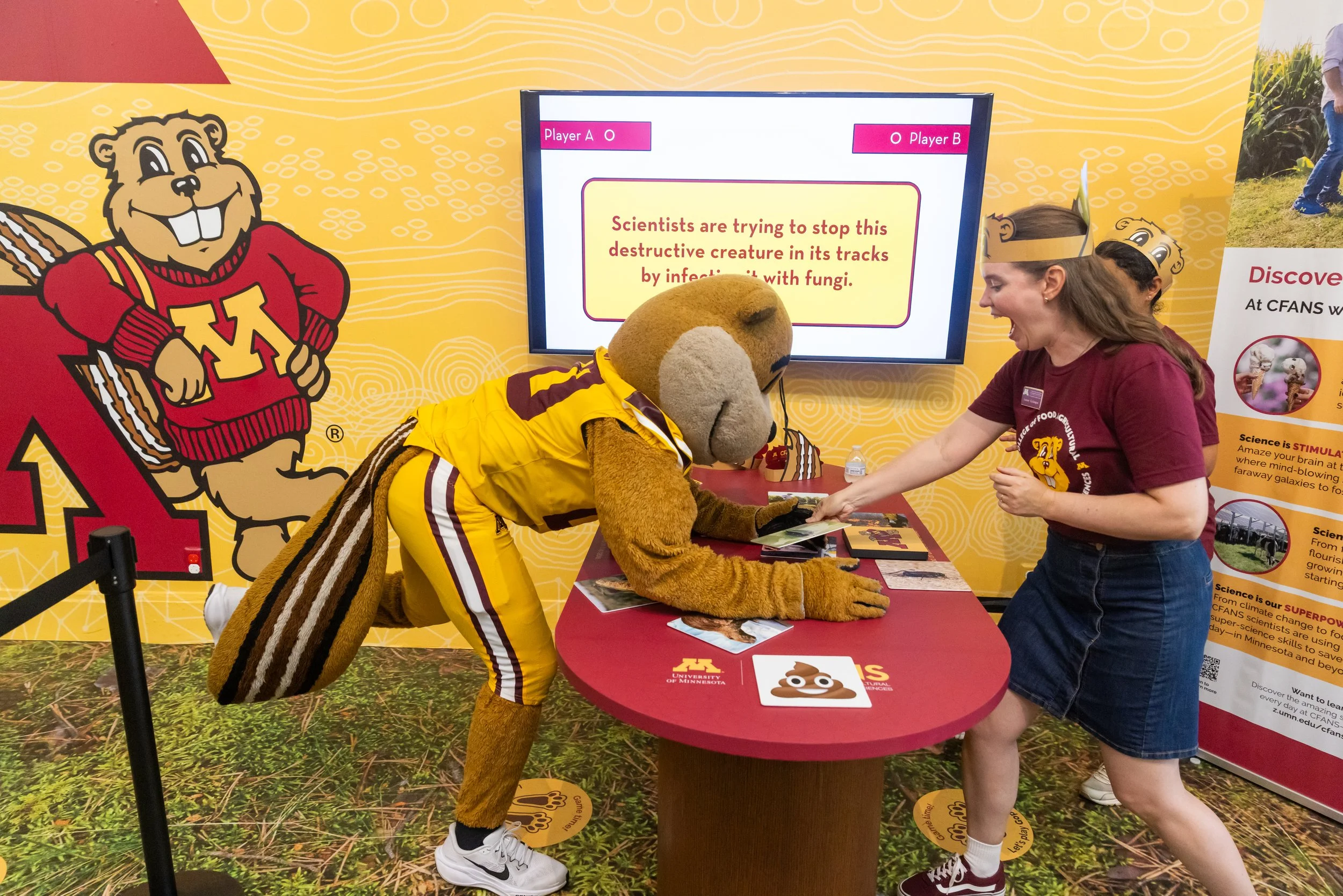
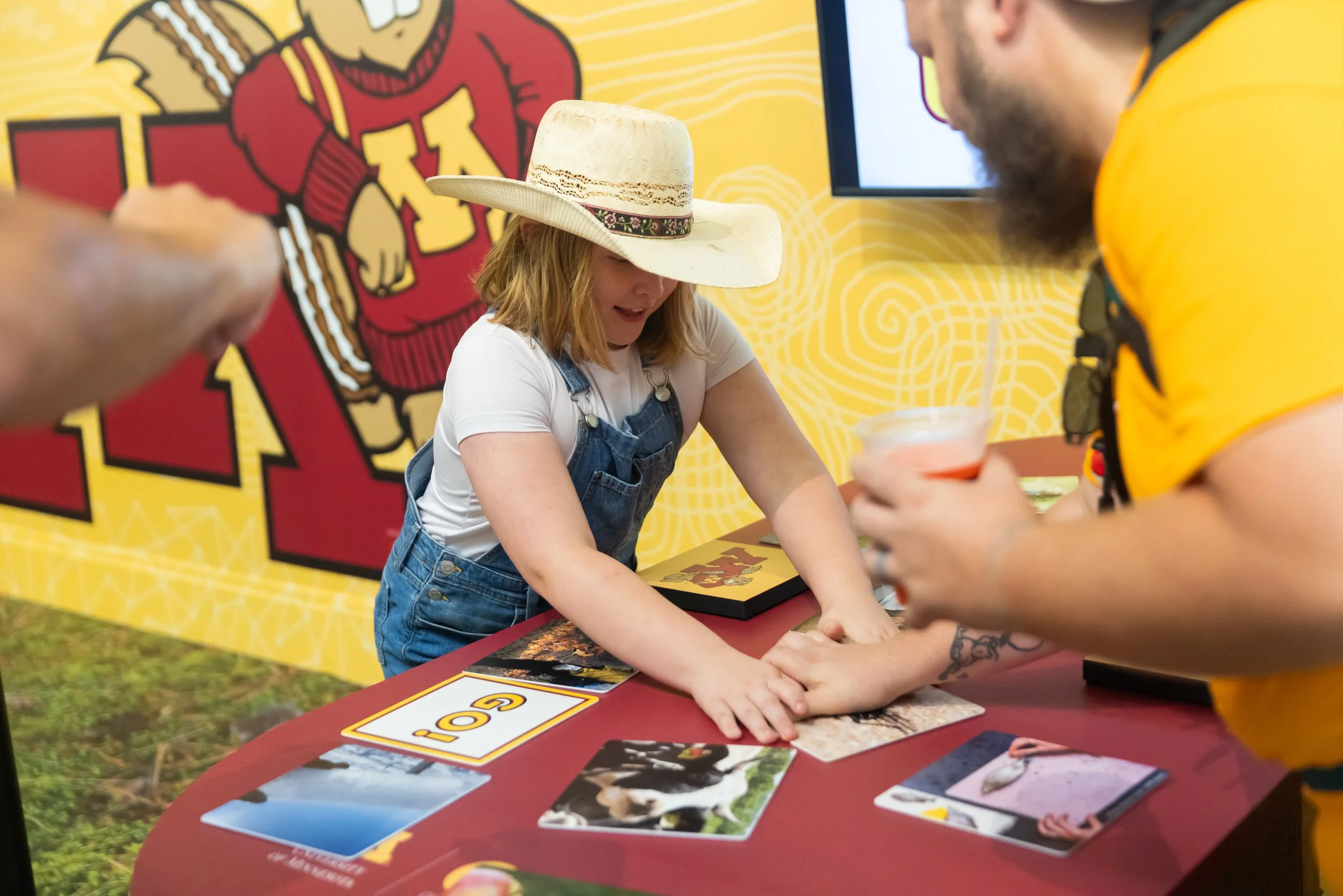
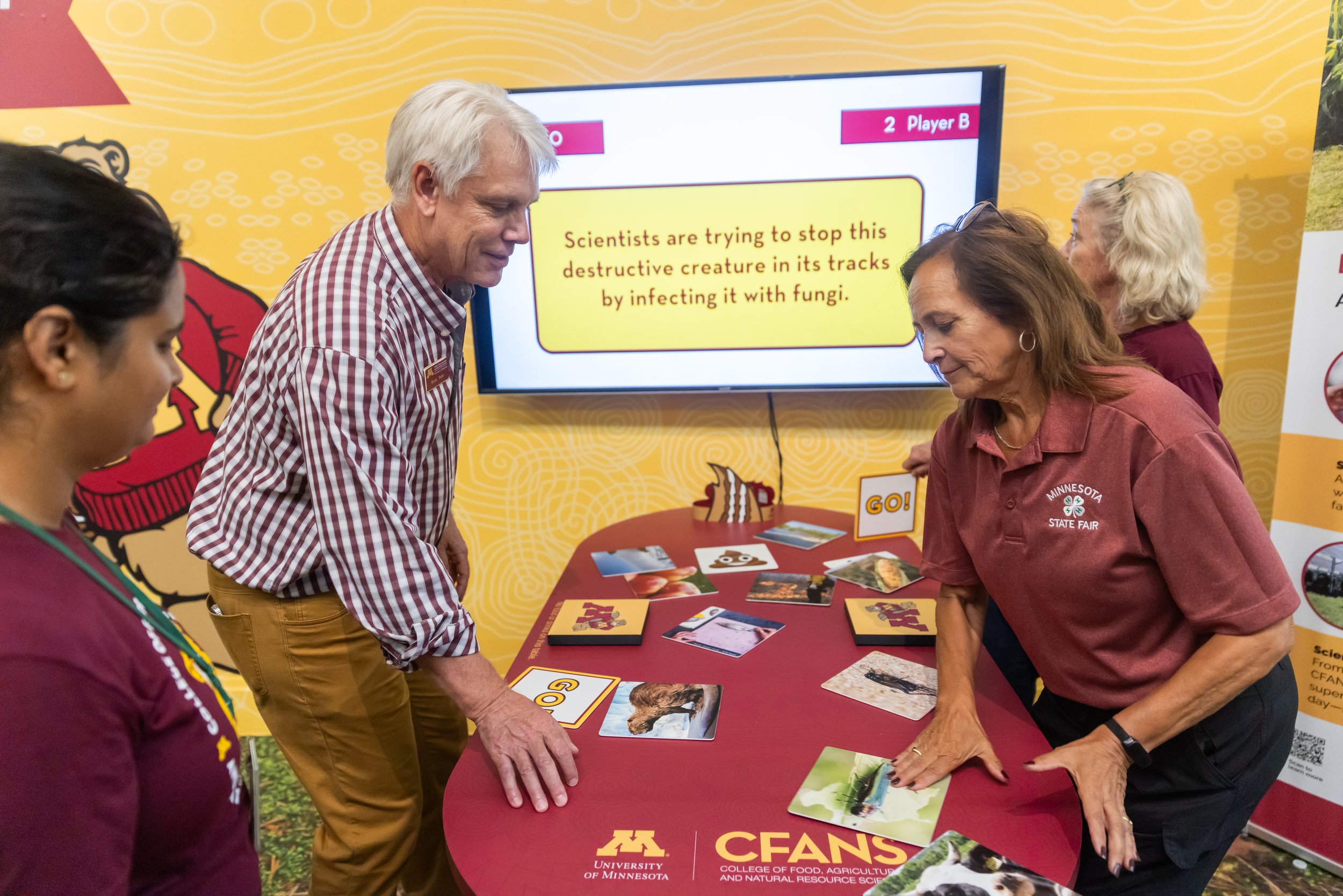
University of Minnesota
How did you use the game?
Grab it became "Gopher it" as part of the Minnesota State Fair for the University of Minnesota booth. All of the questions asked about the UMN's research for food, agriculture and natural resources. It's a long way from Ragamala but the game design still holds.
What was changed from the original?
What did you like?
What would you change?